

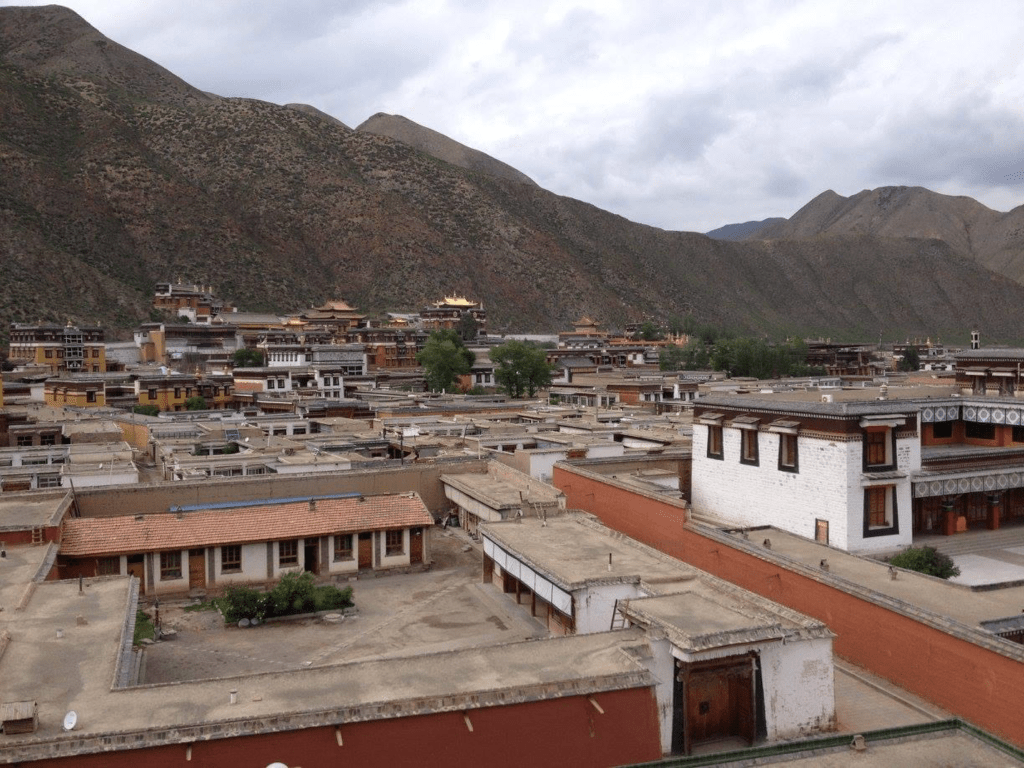
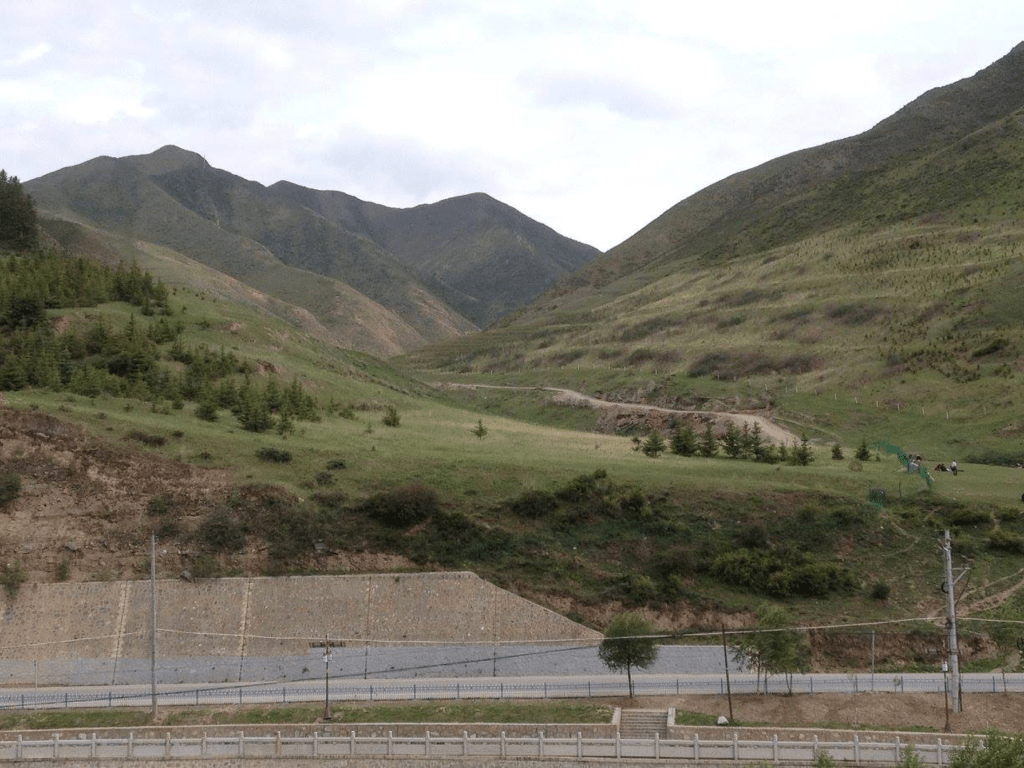

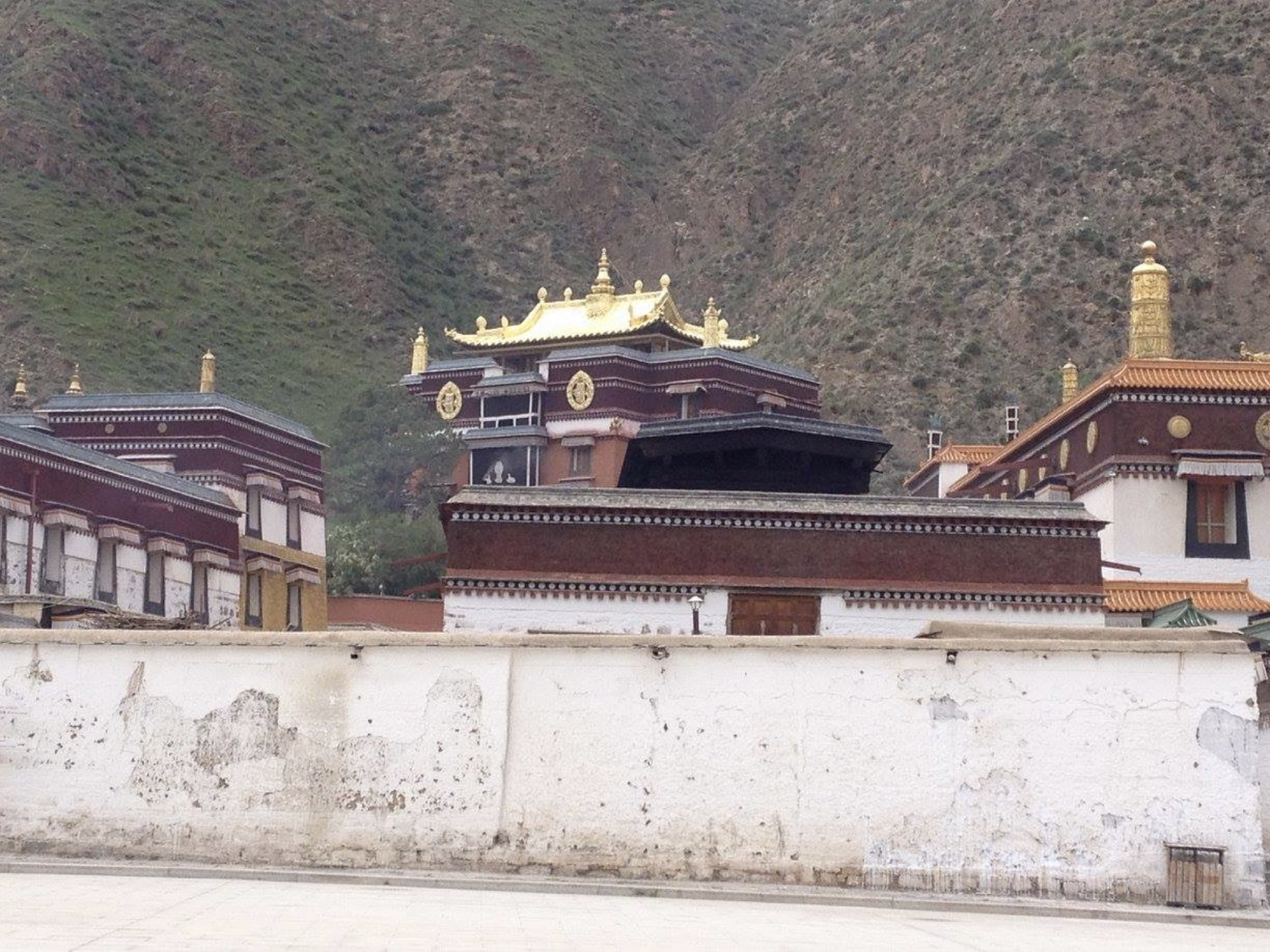
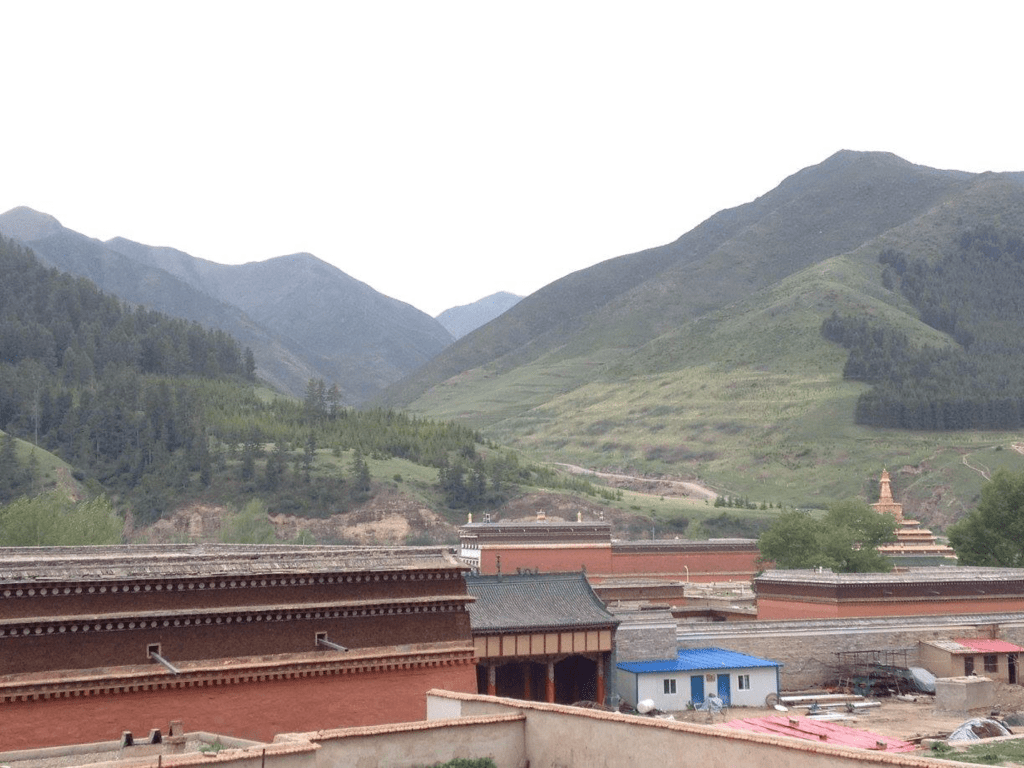
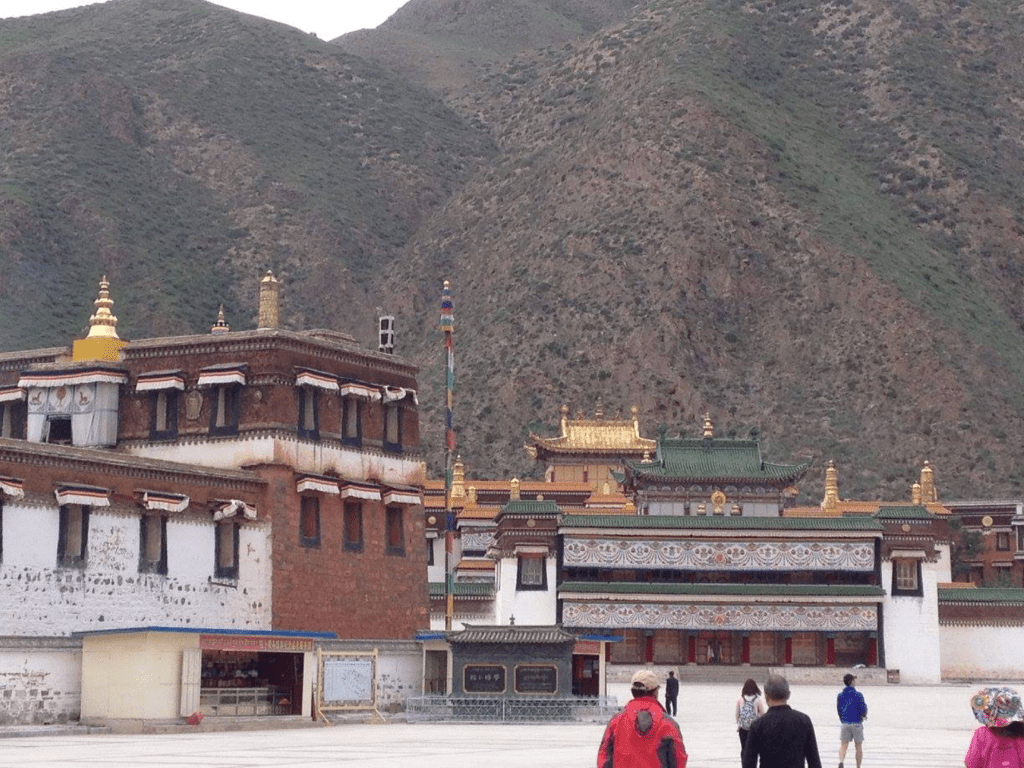

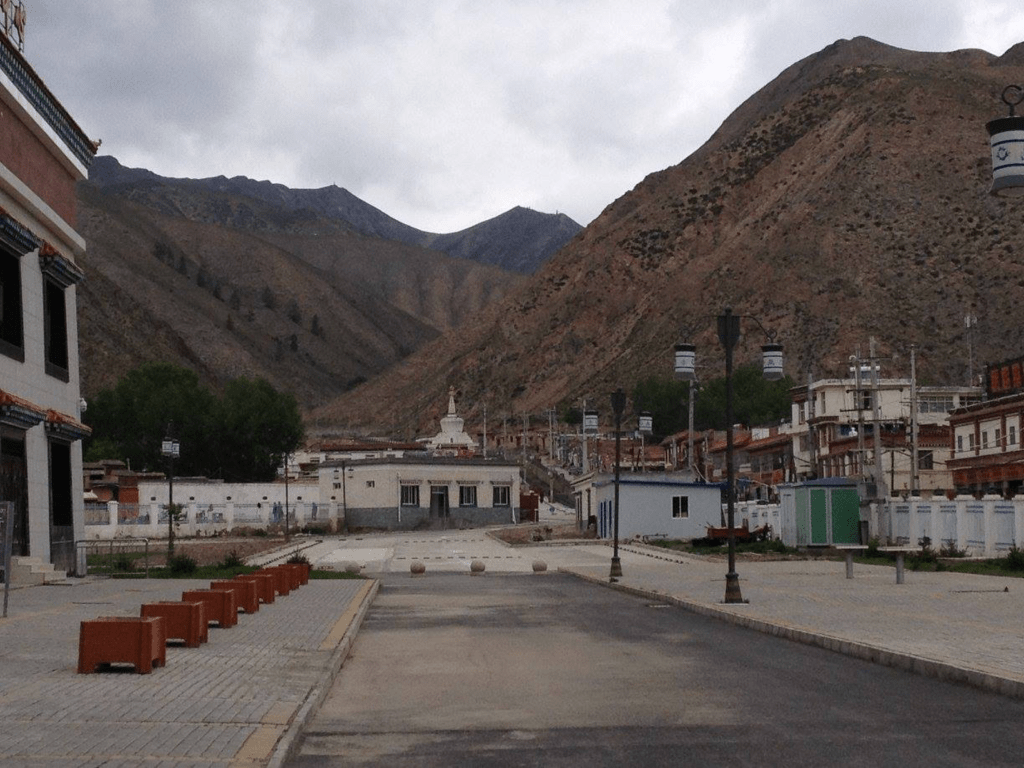
The Labrang Monastery is a Tibetan town in a very remote location of Gansu Province. There is just about no commercialization of this area. Honestly, it doesn’t get more off the beaten path than this place. Without a doubt during the entire time I spent I didn’t see any other Westerners and honestly there weren’t that many travelers there in general (Chinese or Western).
Once you enter the actual monastery you can easily spend a day or two going around and exploring all of the temples, prayer wheels and architecture. The surrounding area is also very beautiful. The altitude is not that high up, so walking around won’t leave you gasping for air.
The Tours:
I’m pretty sure that all visitors must join a tour to enter the monastery, however, once the tour is done you are free to walk around and explore the rest of the area by yourself. You should start out with a tour first though.
English tours: There may only be one or two English tours all day. That being said English speakers could always join a Chinese tour. The tours will take visitors inside what would be otherwise restricted areas. So, if the person didn’t mind not understanding the tour guide and just going along for the sights, this would be an option as well.
While exploring the Labrang Monastery please follow the appropriate etiquette so you don’t upset anyone and get yourself thrown out of the monastery. Here is a short list of some of the more obvious norms that should be respected while in the monastery:
- Pay attention where you are permitted to walk and aren’t permitted to walk (in the temples).
- Don’t interrupt or distract the monks during their prayers.
- Don’t take pictures of the monks while they are engaged in their ceremonies (in the event that you do be 100% sure that. Your camera neither makes a sound nor has the flash on).
- Be quiet while walking through the temples.
- The monastery is holy place for these monks and should be treated as such, so not littering, spitting or other crude etiquette.
- While on the tour, stay with the tour.
Side note: Bring water and a snack with you. There is nowhere to buy these things once you enter the monastery. Also, once you leave you need to pay the price of another entrance fee to enter again.
The Prayer Wheels:
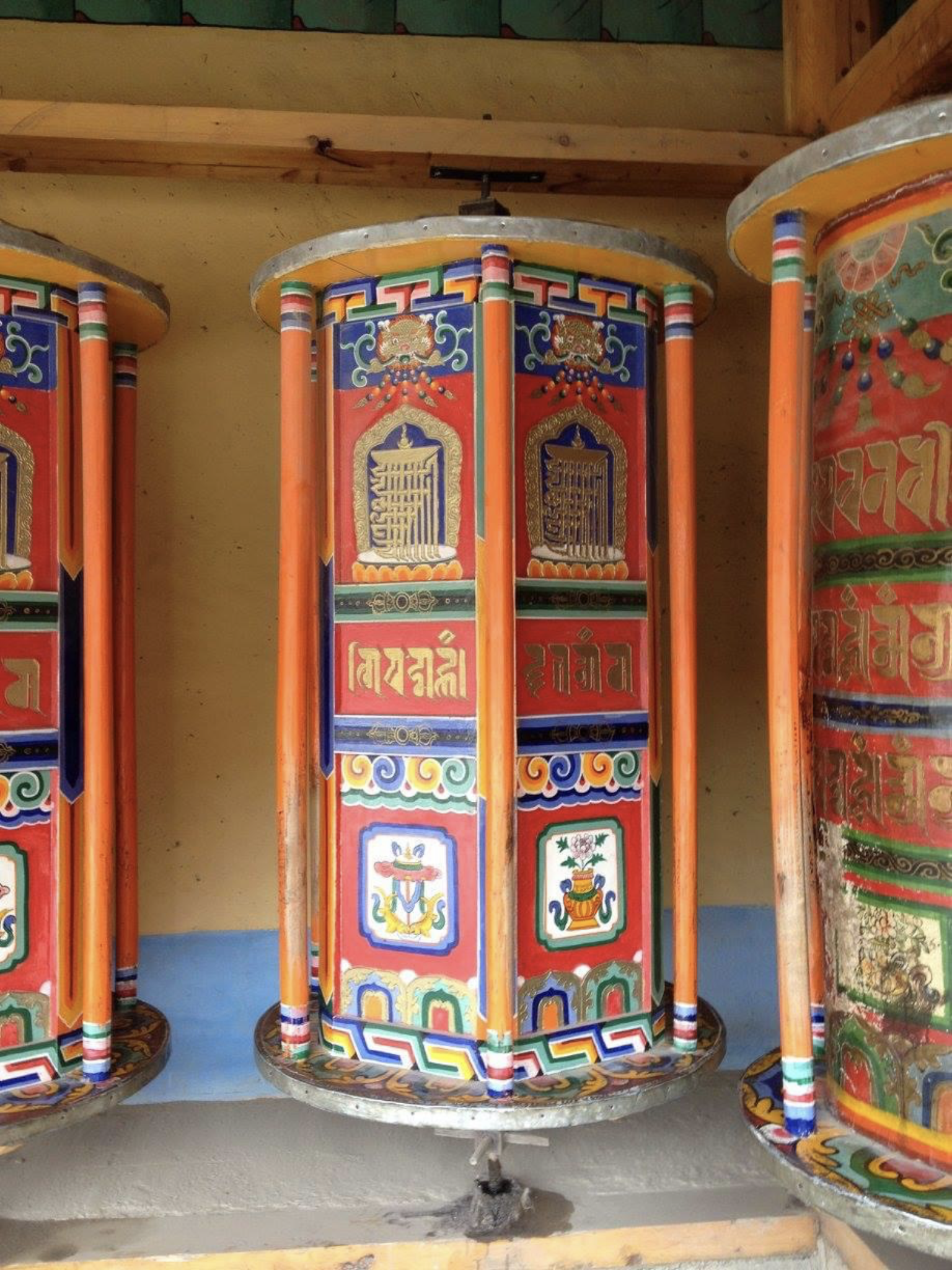
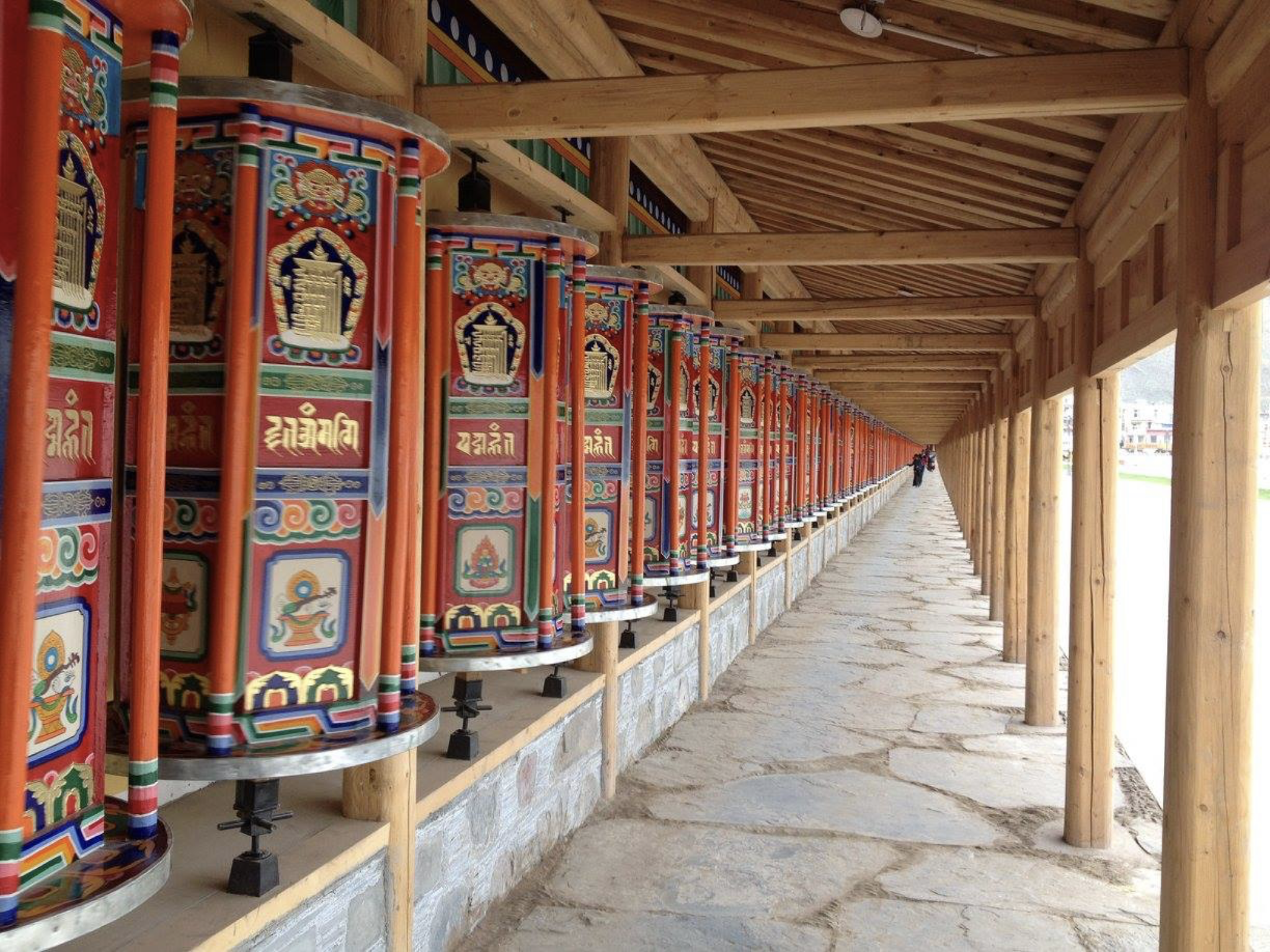
There are hundreds of prayer wheels throughout the monastery. Be sure to say a prayer and bring yourself good luck by turning a few of them. The prayer wheels can be turned by visitors, just try not to be in the way of the native people. Taking pictures of the prayer wheels is also not a problem.
The Labrang Monastery is a very impoverished place and for that reason there are quite a few beggars there. The beggars here are a bit different than in other places, in that they will enter a restaurant that you are eating in to ask you for money. That was a bit unpleasant, but when beggars see westerners they think money.
It should also be noted you will not receive a warm welcoming from the town’s people. I personally felt that they were a bit cold to travelers and did really care much for anyone that wasn’t Tibetan. Maybe it was just my imagination because most of the people there were monks (or in training to become monks) but I didn’t exactly feel safe nor welcomed over there. Nothing happened to me while I was over there but the whole trip I was a bit on edge. It could’ve just been my imagination running wild though.

When I say that this place is off the beaten path, I mean that there are quite a few people here that can’t even speak Mandarin. As you can see from the picture above many of the signs are in two languages Tibetan and Mandarin. English signs aren’t even in the conversation. Some of the store owners speak little if any Mandarin so buying little souvenirs might be a bit interesting.
The Sang Ke Grasslands (桑科草原)
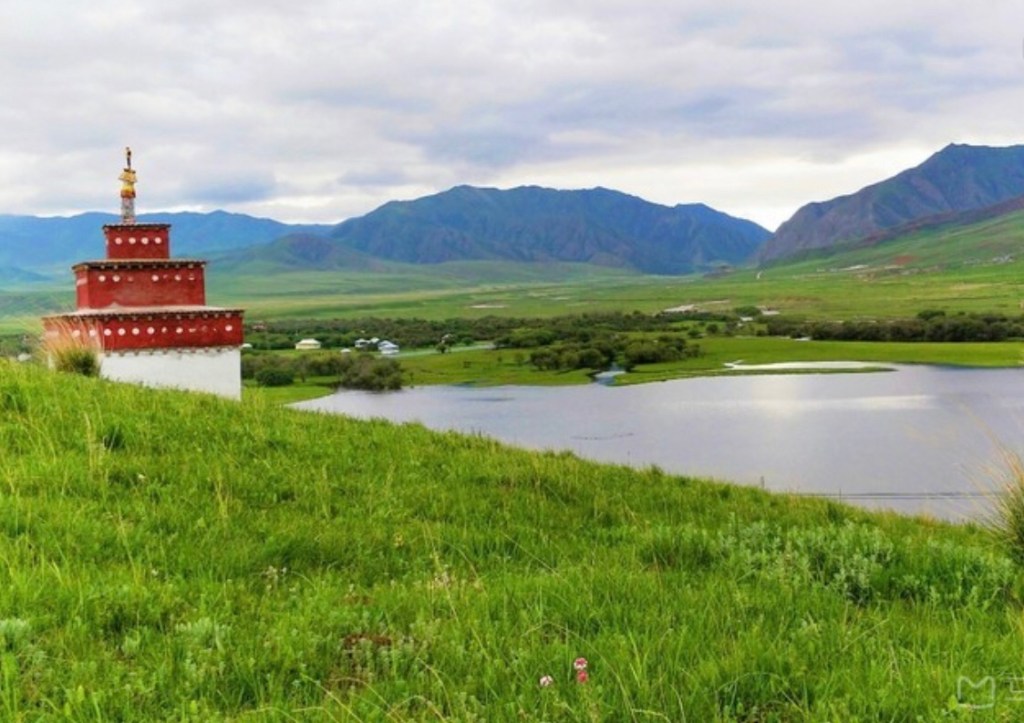
There are grasslands that travelers can visit. It is about 15 kms away from the Labrang Monastery. There have been travelers that rented bikes and rode there. You can also arrange for a car to take you to and from the grasslands.
Full disclosure I have never been to the grasslands anywhere in China. The scenery of the grasslands is said to be breath-taking. It may be worth a visit, especially because it is so close to the Labrang Monastery. It is definitely something to consider.
How to get there?
To get to the Labrang Monastery you will first need to go to Lan Zhou. From the Lan Zhou bus station you’ll need to take a bus heading towards Xià Hé (夏河). There are normally fours buses that go to Xià Hé each day. The bus ride will take approximately 4 hours to get there.
The bus stop is about 2 kms down the road from the Labrang Monastery. There are very few roads so finding your lodging and heading to the monastery should be pretty straightforward.
Be advised that due to how remote Xià Hé and the Labrang Monastery are there are no planes nor trains that can take you here. Taking a bus is the only way to get there (unless you have your own car in China).
3-Day Itinerary for the Labrang Monastery
I would recommend spending 2 full days this area.
Day 1:
- Use the entire first day to explore the Labrang Monastery.
Day 2:
- Head to the Sang He Grasslands.
 International Kev