

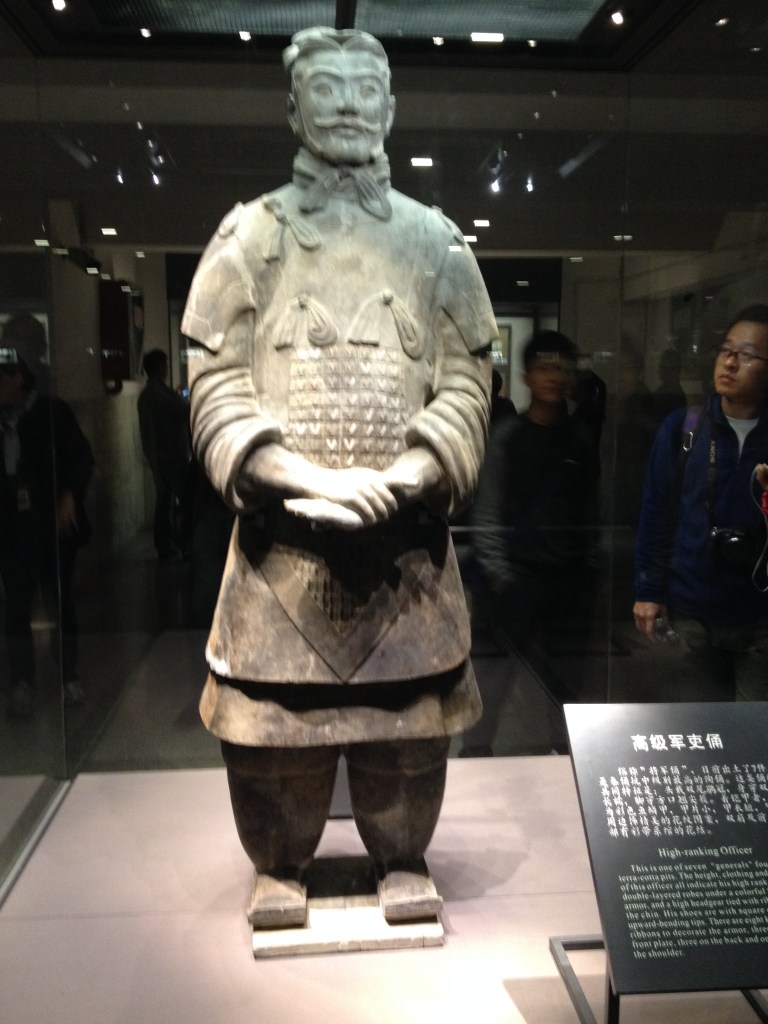
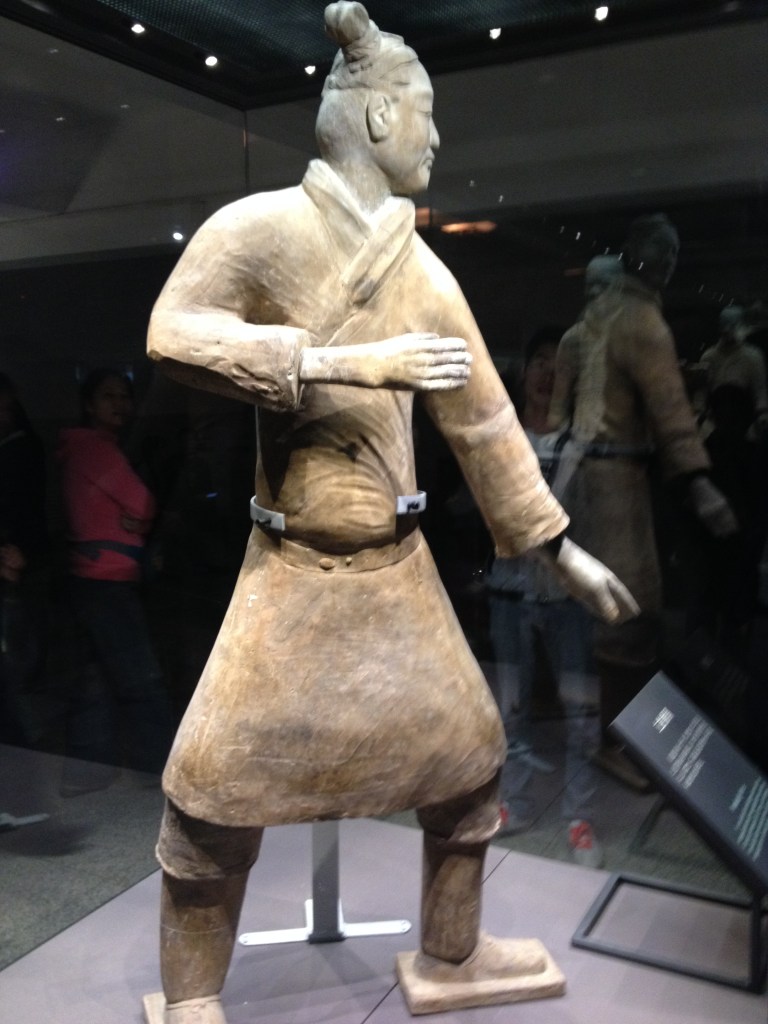


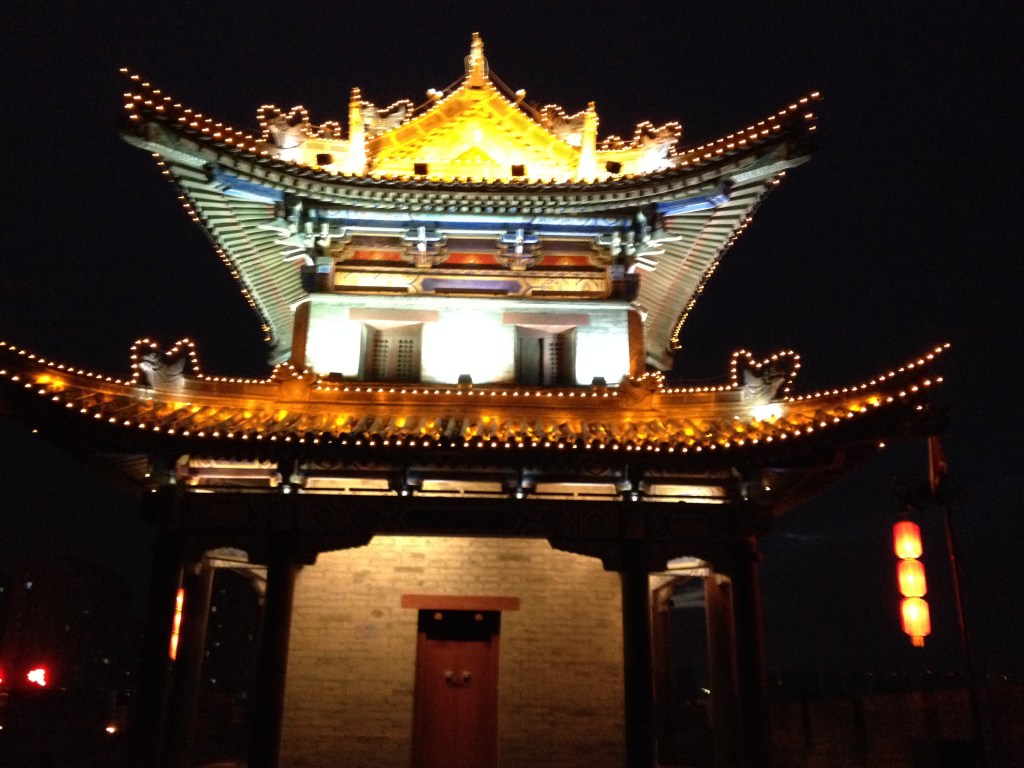
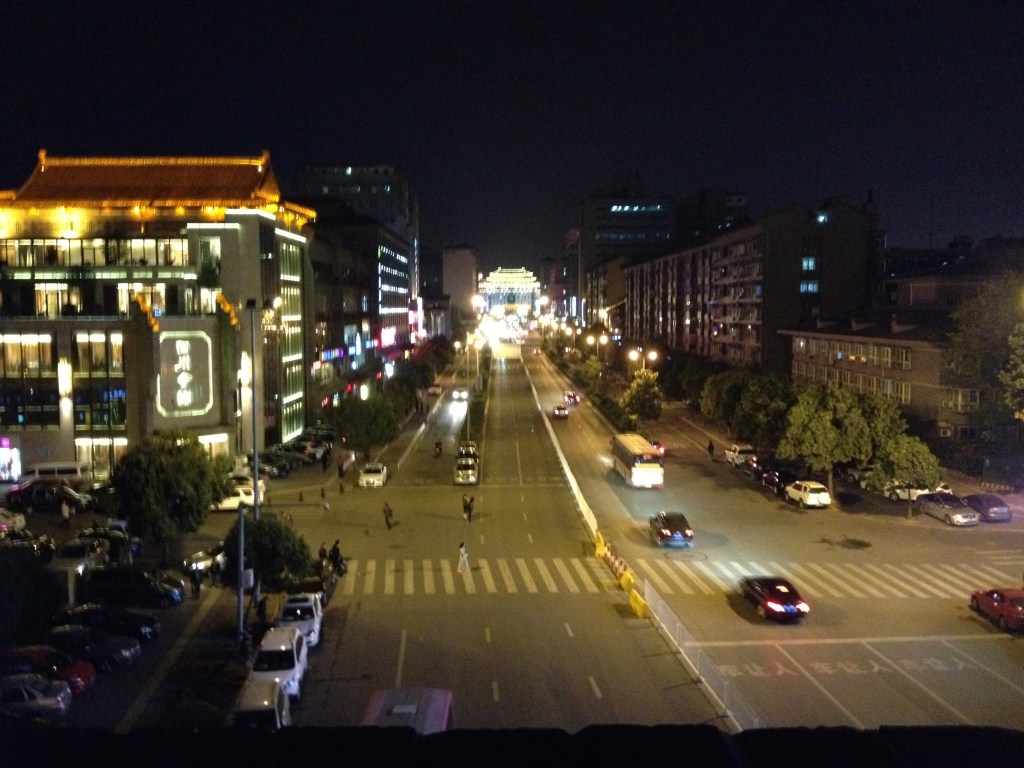
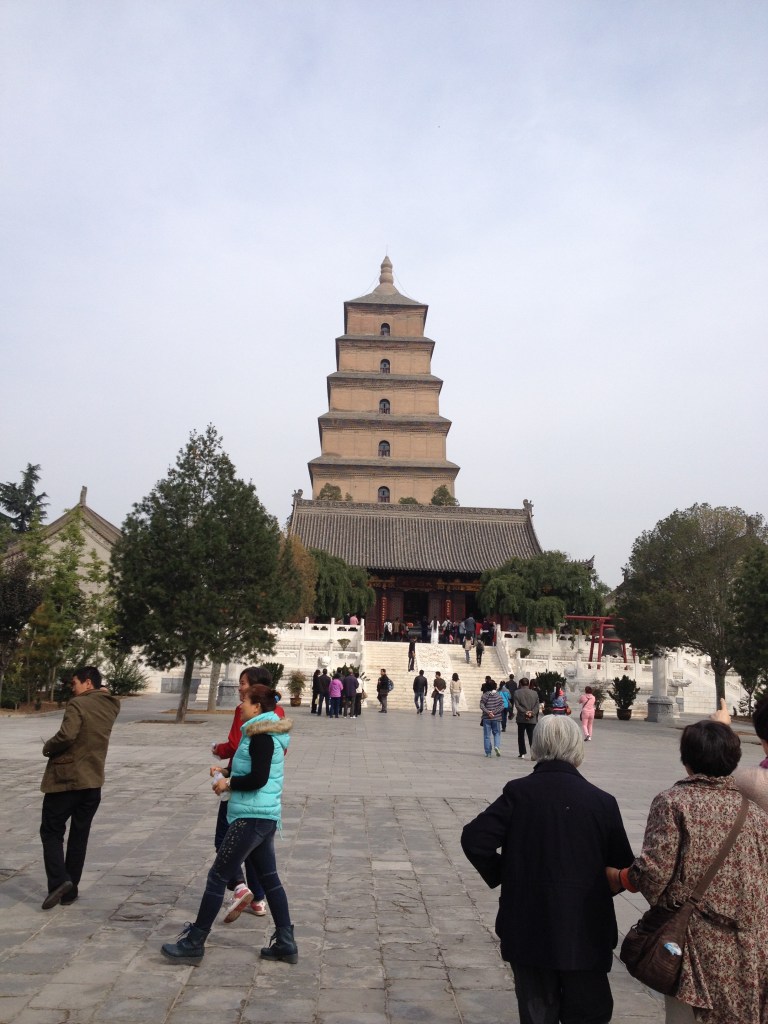

The pronunciation of this city is she- on. That’s about the closest to the actual pronunciation that you can get in English. Xi’an is a city located in the heart of China. This city is very well developed and has a deep historical significants. Xi’an was once the capital of China and was designated as the ending point for the Silk Road. The scenery from the surrounding area is very beautiful as well. There is plenty to do while in Xi’an but there are a few things in particular that make Xi’an a “can’t miss” destination.
The Muslim District 回族区 Huí zú qū
The Hui people are a minority population that exist in China. They have a very distinct culture that make them stand out from the Han people (majority group in China). Many of the Hui people appear to be a mix between Chinese and Middle Eastern decent, donning the fez hats and having a sightly darker completion than the average Han person. It seems like a different culture entirely. While in the Muslim District you will truly get a sense that this city was once the end point of the Silk Road due to cultural melting pot that you’ll encounter in this area.
The Muslim District is a large area, you could stroll through this district for the better half of a day and you would still be find areas that you haven’t yet seen. Some things you’ll be amazed to see and others you might wish you hadn’t… I’ll leave it at that. There is also no shortage of shops to buy souvenirs or anything else that you might want. Heads up there will be a lot of people here, regardless of when you go.
I do highly recommend getting food here though. There are plenty of options to choose from, just make sure you’re going to a restaurant/vendor that is being frequented by locals. The more people the better.
One thing that will be very entertaining is to see how some of the foods are made. For example the candy. You will see some hard taffy looking substance placed on a sturdy flat surface and then 2, 3 or even 4 workers will proceed in taking huge mallets and hammering this taffy into a form and texture conducive to making candy. It is done in should perfect unison, one immediately after another that it makes for a very entertaining sight.
Food
Lamb Kabobs (羊肉串): The lamb that you’ll have in the Xi’an (more specifically the Hui District) is exquisite. There is a particular seasoning that is used to flavor the lamb and it is very delicious. For those of you that enjoy spicy foods the lamb could very easily be made spicy while still maintaining the mouth watering taste.
Rou Jia Mo (肉夹馍):Or as a friend of mine used to call it a Roger Moore (because the pronunciation was similar). This is sometimes called a Chinese hamburger but to be honest, it’s more closely likened to a panini. Often times it contains meat (most of the time pork) and onions. It is best when the meat is juicy, try to avoid the dry ones. This is a must try while in Xi’an as this is the place that created this delicacy.
Nann Bread( 烤馕): The way this nann bread is prepared is slightly different than regular nano bread. It is cooked in an oven and seasoned with the same seasoning that are used for the lamb. It is a great side dish for any meal.
Xi’an Candy (糖果): Be sure to get the handmade candy from the Hui/Muslim District. If you were to take the above to characters to a clerk it is unclear whether they would give you the authentic handmade Xi’an Candy or a bag of Skittles.
The Xi’an City Wall 城墙 Chéng Qiáng
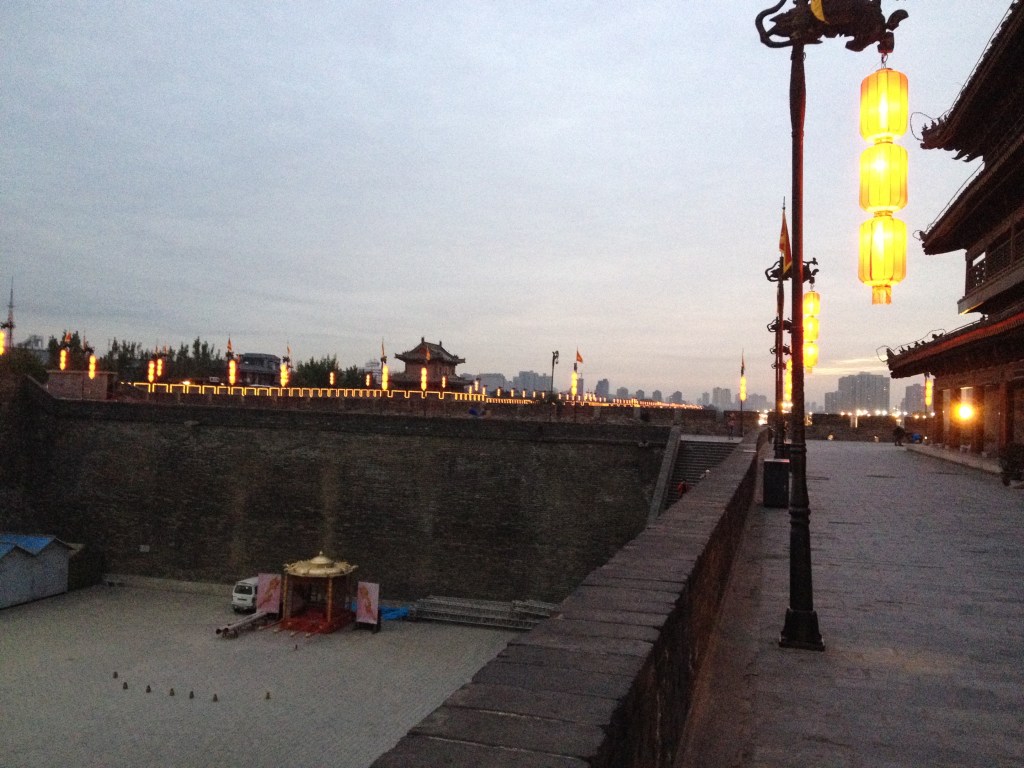
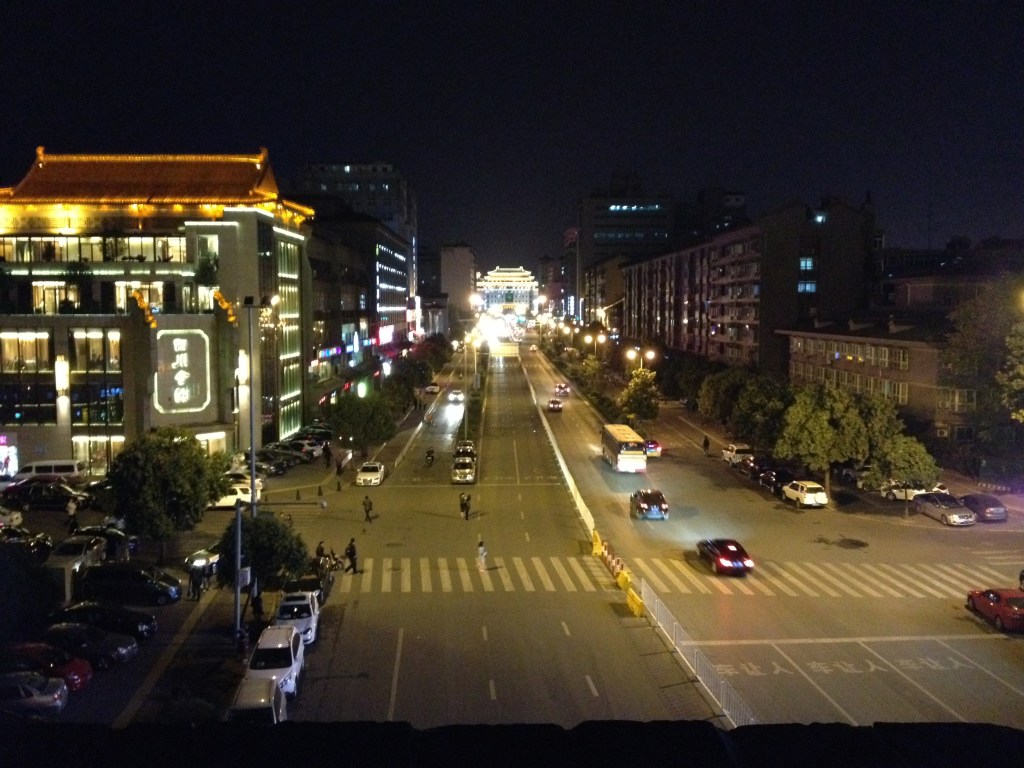
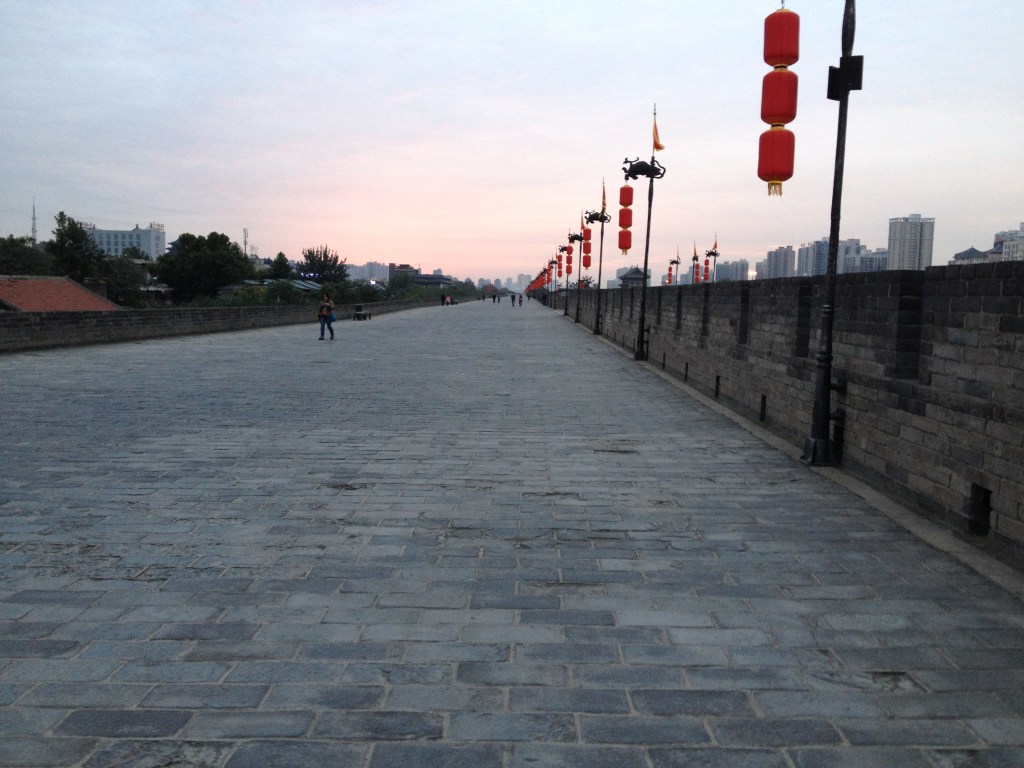
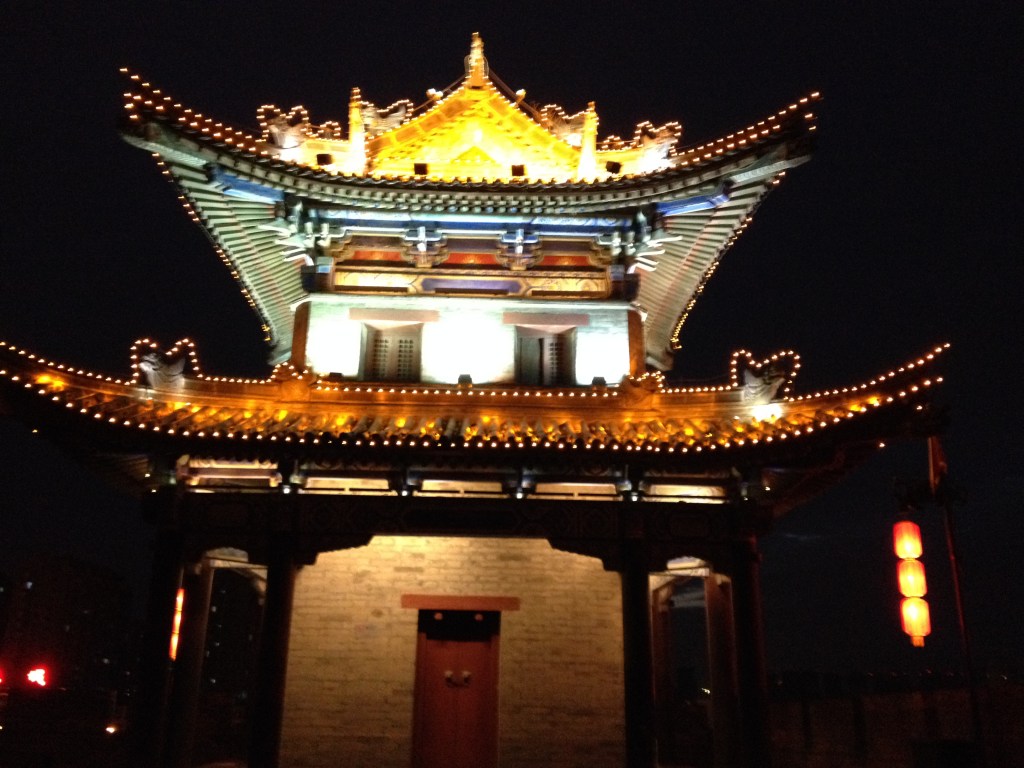
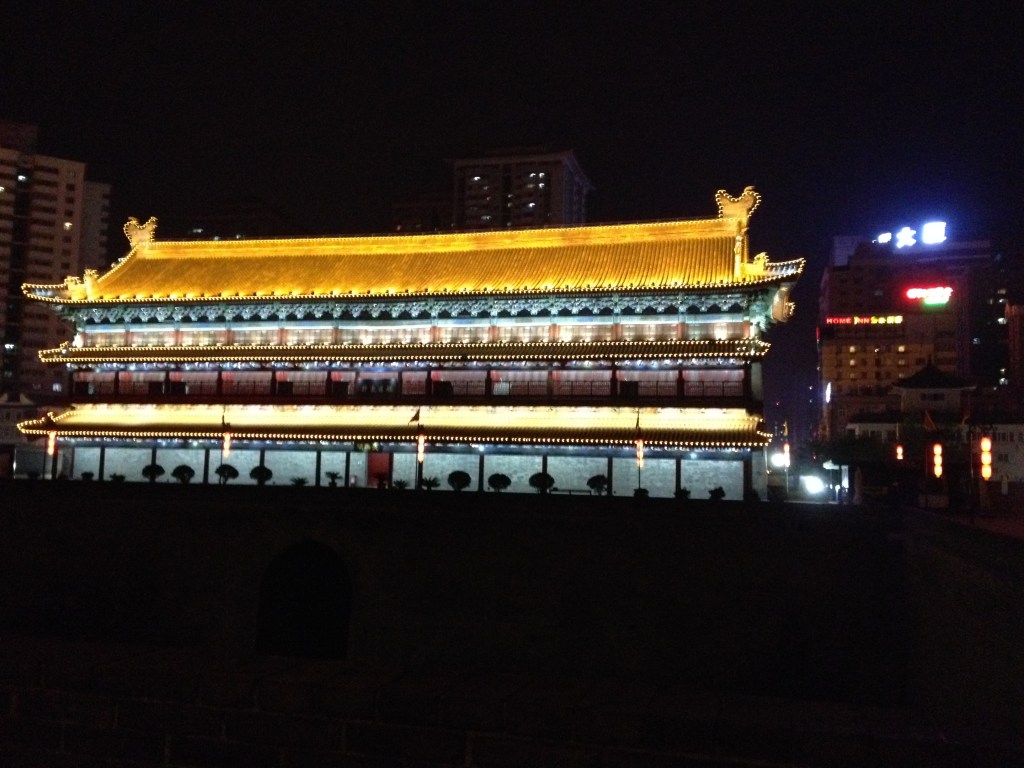
The city wall is definitely a place worth visiting while in Xi’an. This was once the wall that fortified part of the city from outsiders. It was constructed several centuries ago. From the top of the city wall you will get a great view of the now very modern city of Xi’an and all of the high-rise buildings and skyscrapers. Atop the city wall there are a variety of watch towers and drum towers. As with many places in Xi’an the city wall has a great deal of history and historical significance.
It is recommended that you go to the city wall around dusk, so that you will see the city lit up at night. However, confirm with your hostel owner what time the city wall closes. The city wall is a bit strange when it comes to admittance and entrance tickets. The ticket booths will close prior to the actual closing of the wall. I think they stop selling tickets around 8:00pm and visitors can continue to roam about on top of the wall until 9:30pm or 10:00pm. So, be sure not to go too late or you’ll miss your chance to visit the city wall.
It is also recommended that you rent a bike to ride around the top of the city wall. I would not recommend walking because the city wall is covers a wide perimeter and it may be a little too far to ask people to walk, especially within a potential 2 hour time frame. By renting a bike you could go from watch tower to watch tower in much less time and stop to enjoy the sights anywhere along the way without being pressed for time.
The Giant Wild Goose Pagoda 大雁塔 Dà Yàn Tǎ

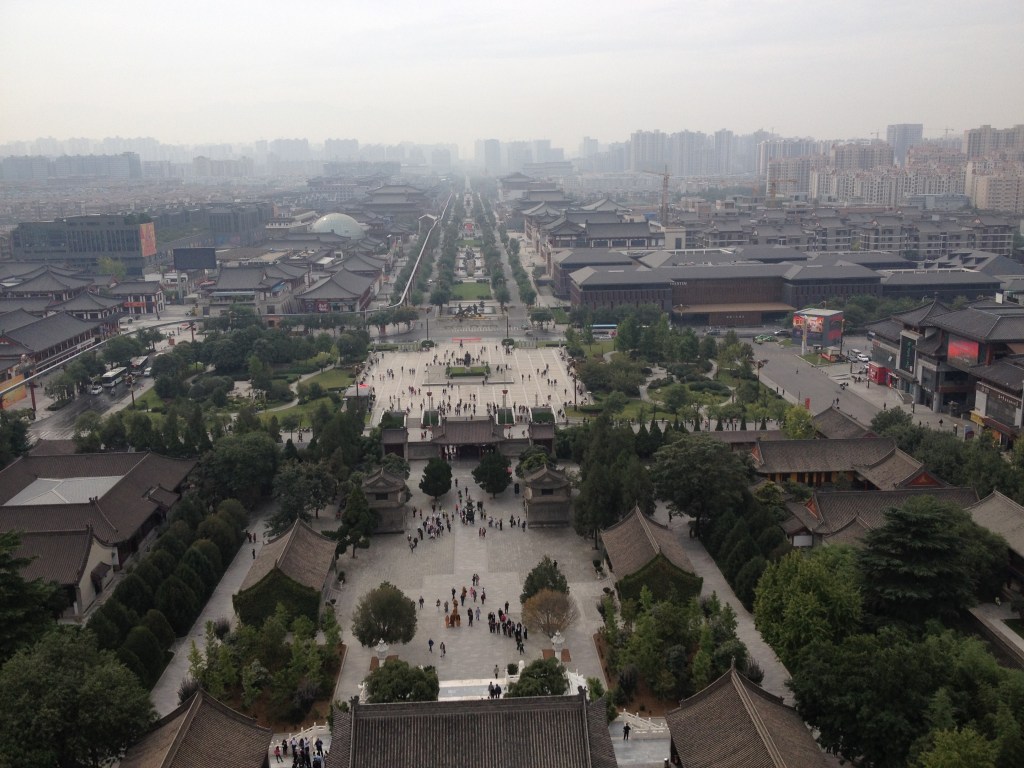
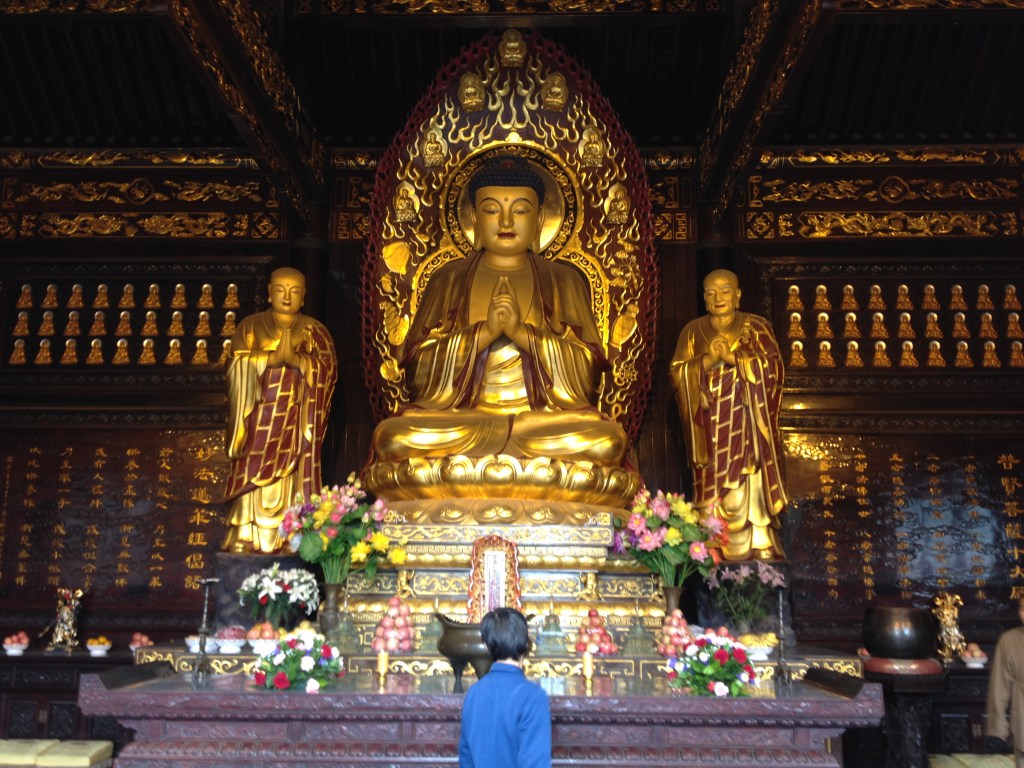
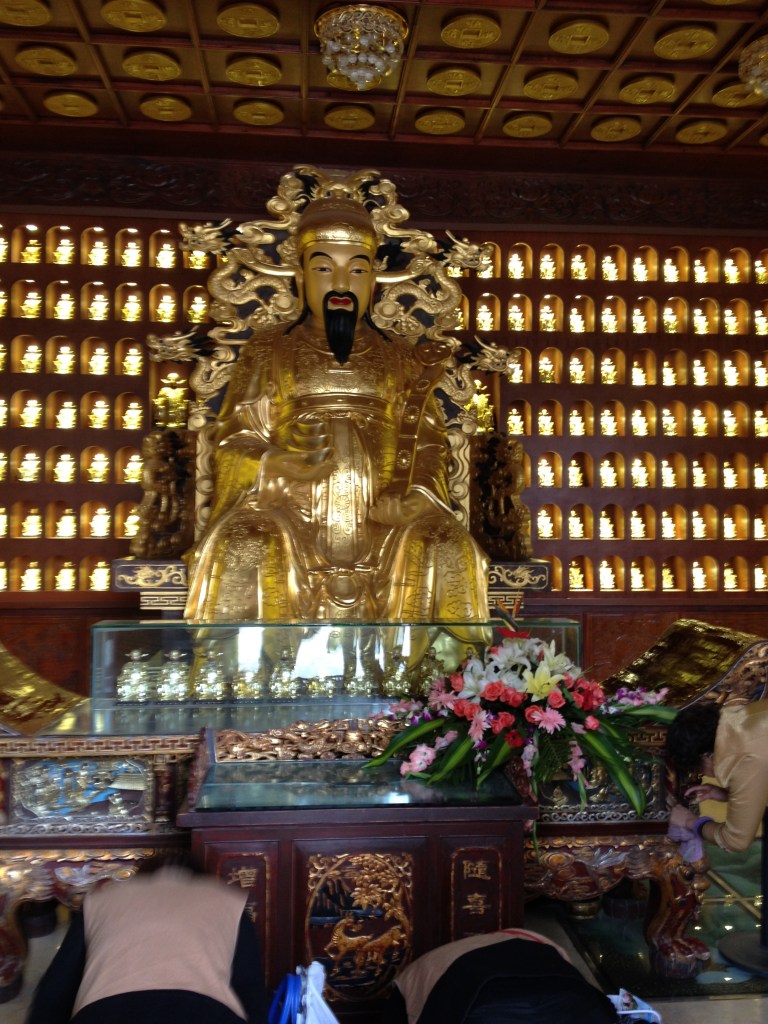

This is a large pagoda located within the city. The surrounding area has been arranged with a square and garden like setting. The pagoda itself is very eye catching. I will say that in this pagoda there was a bit more to see on the interior, as you can see from the pictures above. The pagoda has a very beautiful structure but honestly if you spend 30 minutes to an hour admiring the architecture from outside that would be sufficient.
Once inside the pagoda there isn’t much to see except a bunch of stairs which will take you to the top where you will get a limited view of the city of Xi’an. Personally, I don’t think that it is worth the ticket price nor your time to go up the pagoda. A look and pictures from the outside is sufficient to enjoy the experience of the Giant Wild Goose Pagoda. Save yourself the time, energy and money and view the pagoda from the outside and then head to the next site.
The Small Wild Goose Pagoda 小雁塔

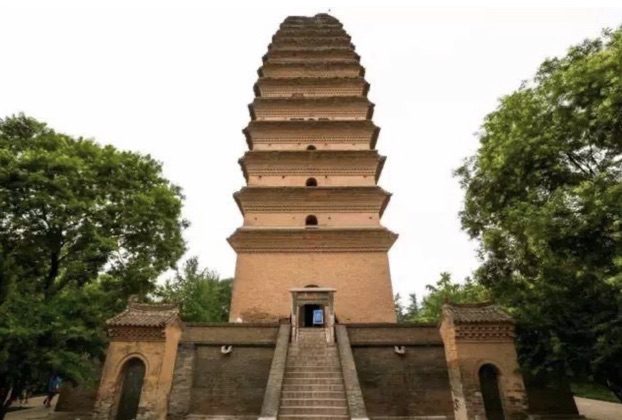
This pagoda has a comically ironic name. The reason the Small Wild Goose Pagoda is an ironic name for this pagoda is because it looks very similar in size to the Giant Wild Goose Pagoda. Honestly, the pagodas look a bit similar. They have their own distinct features and you can tell one from the other without much of a problem. Nonetheless, once you see a few pagodas they do seem to look very similar. Not to say that they aren’t distinct and important in their own respect but there isn’t anything that would make a visit to the Small Wild Goose Pagoda a must do. The surrounding area is a bit different at the Small Wild Goose Pagoda, however, it should be visited the same way as the Giant Wild Goose Pagoda. Spend a bit of time walking around it and admiring its structure from the outside and then moving on to the next item in the itinerary. Both pagodas have a great deal of historical significance.
Food For Thought
The Giant Wild Goose Pagoda and the Small Wild Goose Pagoda look surprisingly similar, however, they are very far apart from one another. If, you only saw one it wouldn’t be the end of the world that you didn’t see the other. You wouldn’t be missing much. Not to downplay the significance of these pagodas, but honestly if time was a factor, then seeing one would be fine. If you’re in the area of one of these pagodas and have some time on your hands (30 minutes), then yes you should give them a visit. Nonetheless these pagodas (in my own personal opinion) are not must see items on the itinerary.
The Bell and Drum Towers 钟楼和鼓楼 Zhōng lóu,Gǔ lóu

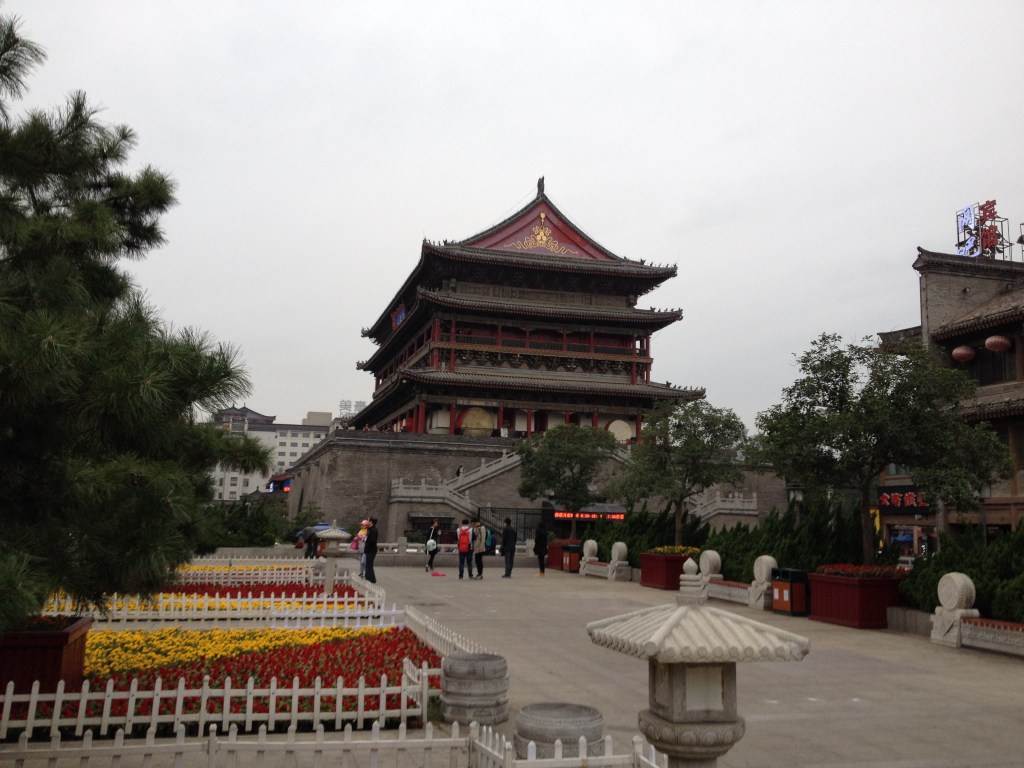


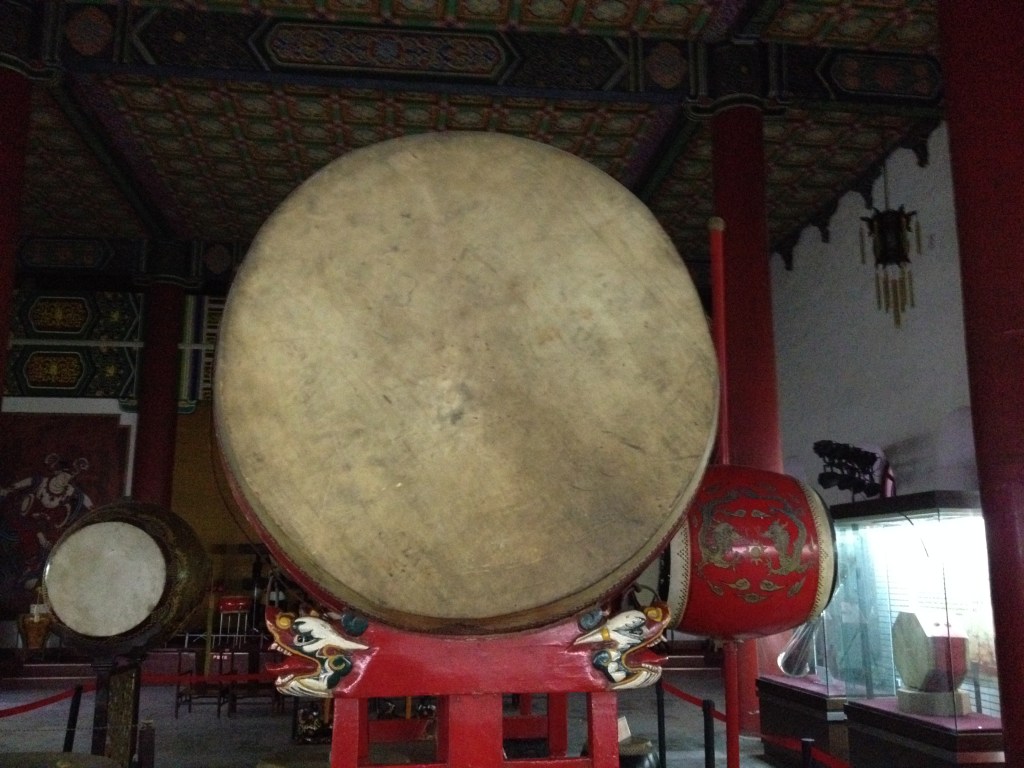
You will undoubtable pass by both of these towers several times while in route to other destinations. The architectural design of these buildings are very traditional and they have a lot of historical significance. However, seeing them from the outside or passing by them in the cab is fine. If you have time to kill, then visiting either the Drum or the Bell Tower would be time well spent. All the same, it is not a necessary item on the itinerary to visit either of these towers. Also, these towers look almost exactly alike. The only major difference is that one contains a big bell and the other contains a big drum. So, going to one would be sufficient, there is no need to visit both places.
The Historical Museum of Shan Xi Province 陕西历史博物馆 Shǎn Xī lì shǐ bó wù guǎn
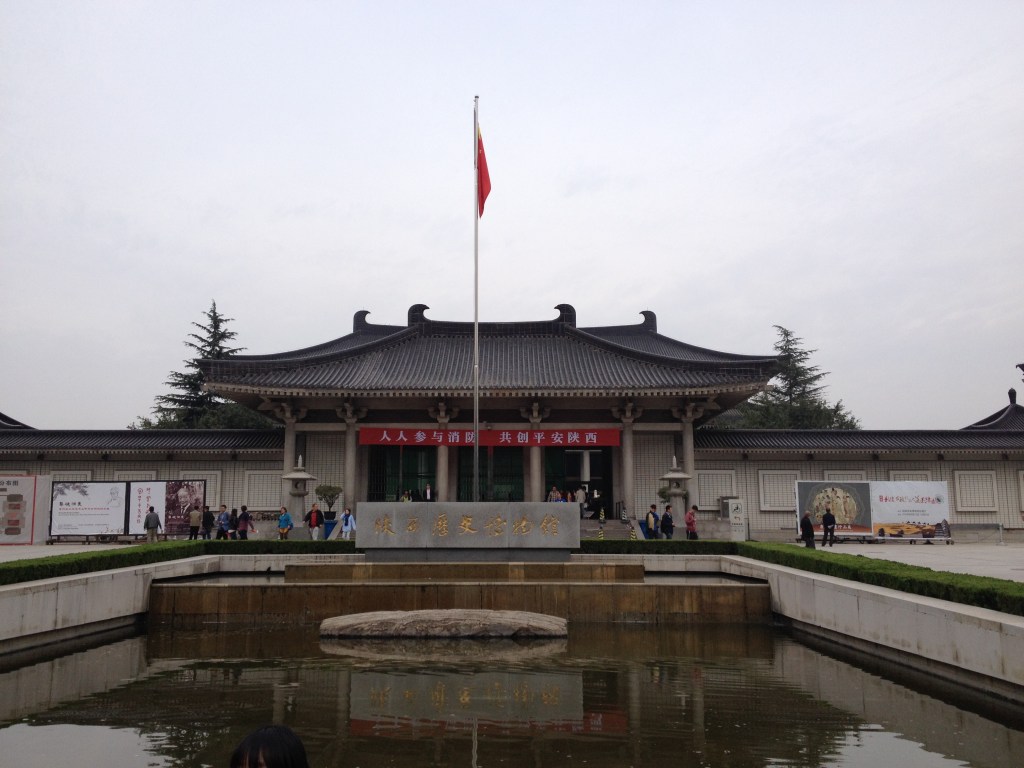
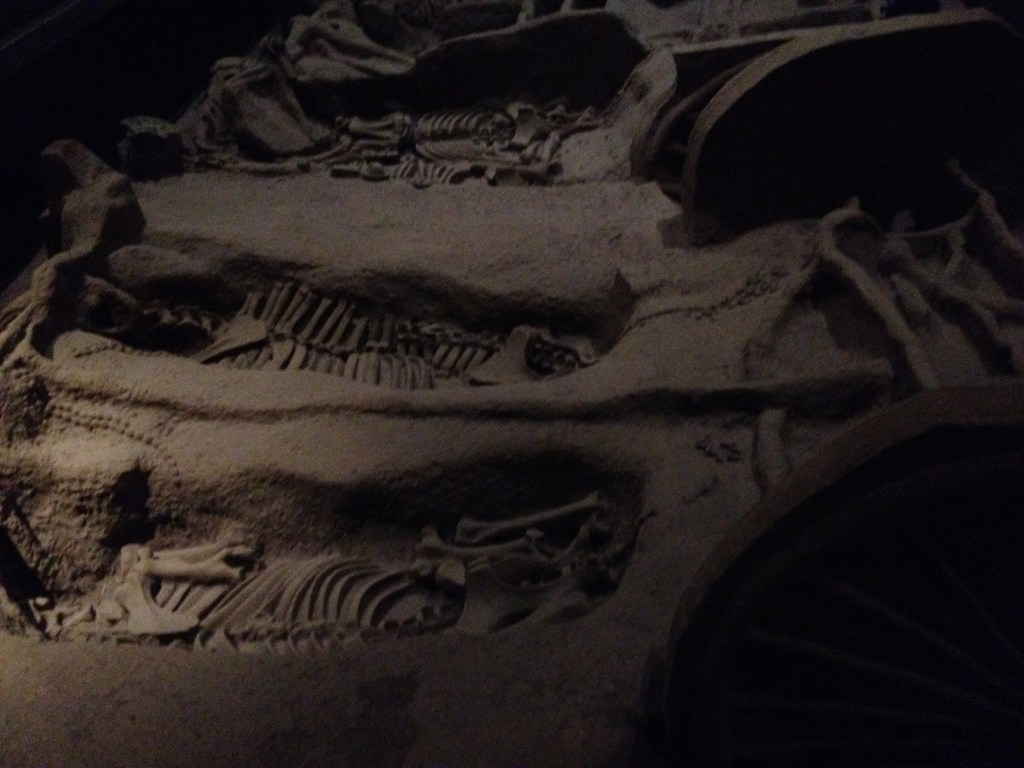
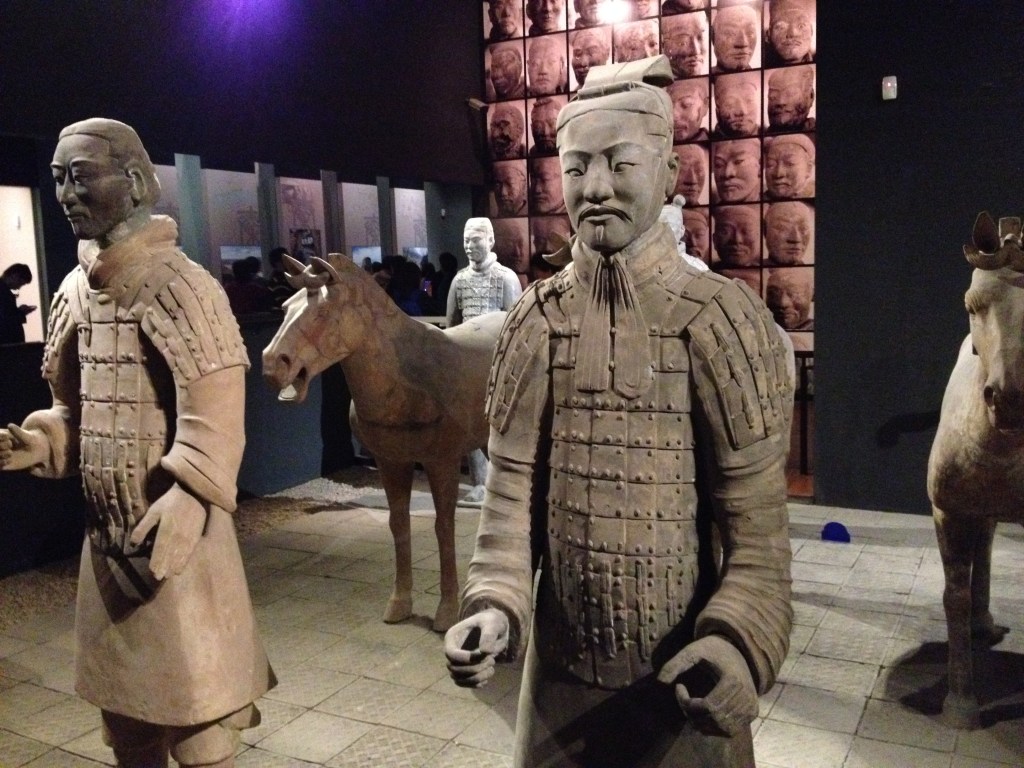
The Historical Museum of Shan Xi is another attraction that you can visit while in Xi’an. There are some very interesting exhibits in this museum. If you are interested in museums that have a lot of historical significance, then look no further. However, I personally am not the biggest fan of museums. If I were to go to a museum it would be this one. In a city with this much historical significance, having a museum that can document and construct exhibits of some of the historical events, periods and findings in just Shan Xi makes for a very interesting place to visit.
How to get to the museum?
The museum is pretty central in the city. Taking a cab would be the quickest and easiest way to get there. Cabs in Xi’an aren’t expensive (in comparison to cities like Shanghai and Beijing). You could take the city buses to the museum, but that may require some transfers and if you aren’t comfortable transferring buses in China, then it could be easy to get lost.
How much time should be allotted to spending in the museum?
I would recommend spending from 1 hour to 1 1/2 hours in the museum. There are some really interesting exhibits worth seeing. However, I myself have never been the most fond of museums (they bore me a bit). On the other hand this is not your typical museum so spending more time here would not be wasted by any means.
 International Kev