So, just to give everyone a little preview of what to expect from this blog. This will be a blog that suggests places to go for travelers and those planning their trips. This blog will break down what sights and activities should be done in each place, how much time you can expect to spend doing said activities (more or less, may vary with different people), and useful tips that should be considered before traveling to these places to better enjoy the experience.
This is not a blog that will go into an in depth encyclopedic description of each sight/city nor will I go into much detail about the history or background of the area. If, you would like to know more about the area mentioned here google it or wikipedia it, you will find more than enough information on the internet about the history and background of these places.
What I am seeking to provide are some of the information that can’t be so easily found on the internet. Information that can only be obtained from either trial and error or local knowledge. This blog is seeking to make traveling more enjoyable and less stressful. Concepts such as time of year, seasons, food, traveling on a budget and amount of time expected to be spent in an area will be addressed in the hope of making the planning process for your travel plans easier.
I am also hoping to make planning your trip easier. I will break down how much time I think should be expected to be spent in each city and go into even further detail and include how much time should be expected to be spent in each sight. I will use the metric of days and half days to determine how much time should be spent in each city. The metric of full days, half days and a few hours for how much time should be expected to spent in each sight. I do this with the hope that it will make planning the trip easier for anyone reading this blog. Even if someone is traveling in China for an extended period of time (weeks or months) they could read this blog and have a reasonable idea of how much time should be spent in each city. I will classify the sights that I recommend people go to if there is time, the sights that can be overlooked and the can’t miss sights.
I will reveal one bias that I do have though about my opinions in this blog. That is that I do not care for 90% (made up figure) of the museums that I go to. Sorry about that, but I feel that museums for the most part are boring, there is never enough places to sit and after about an hour I feel as if I have been dragged on a school field trip and struggle to stay awake (even while standing). In my own personal experience most museums have left me with back pains and the feeling that I have wasted most of my day indoors. So, as far as recommendations go, sorry museum lovers they are not high on my list.
I personally prefer more natural areas. I personally feel like if a person gets on a plane for 10+ hours they should experiences things that they wouldn’t be able to experience anywhere else in the world and go to the places and sights unique to that area. That being said I place those natural scenic areas higher up on my recommendation list. The big city and metropolitan areas are also very nice but personally I’d rather spend my time hiking a mountain or floating down a river. I have seen many metropolitan areas in the United States, which is why I prefer to see something a bit different when I travel.
I also hope that I could save people a buck or two by introducing some of the more economic ways to travel around these areas. For some areas (such as Hong Kong) it is very difficult to travel economically. This blog will also cover what to expect while traveling to some of these places. For example, cultural norms, popular modes of transportation within the country and potential obstacles that one might encounter while traveling in these areas.
An evening view of the scenic skyline as seen from the bund.A daytime view of the skyline from the bund.A daytime view of the Shanghai skyline. Some of the European style architecture in the French Concessions.A view of the ancient water town of Zhu Jia Jiao. (page 3)One of the Market Streets you’ll see on your way from the bund to the Yu Yuan Bazaar. (page 2)The entrance to the Yu Yuan bazaar. (page 2)The Hu Ting Xin Teahouse. (Page 2)
This is technically the largest city in China and it is one of the most developed and advanced cities both in China and around the globe. It is domestically rivaled only in size by Beijing and Chongqing. This is the New York City of China and if you’re someone that likes the metropolitan areas and unique architecture look no further than Shanghai.
While Shanghai might not have the same rich history as other cities in China, it makes up for it in its modernization and unique blend of cultures and architecture. Shanghai is a very westernized city more so than any other city in China in my opinion (Hong Kong excluded). Shanghai also has one of the most beautiful skylines in the world. As Shanghai is a port city near the center of China (latitudinally, not longitudinally), it is the ideal destination to either start or end a trip through China.
The Bund 外滩
The Shanghai skyline as seen from the bund.A memorial located on the bund.One of the flower beds you may see around the bund.
The Bund is without a doubt the most famous and notable sight in Shanghai. It is world renown for its skyline, architecture and beauty. The Bund is located near the Huang Pu River (黄浦江). On the other side of the Huang Pu River are the buildings that make up one of the most famous skylines in the world. The Bund is the ideal place to go to get a great photo of the skyline.
Although the Bund is a long area, it is recommended that you take a walk down the Bund. It will not be time wasted. The main reason is because on one side of the Bund there are the incredible buildings that make up the famous skyline; on the other side are the French Concessions and the unique European architecture that comprises it. While the walk may take up to an hour it won’t be a walk that is easily forgotten.
However, be aware that the Bund is one of the busiest places that you could go. So, don’t expect to be alone while there. If you’re an early bird you may be able to catch a glimpse of some of the elderly people doing Tai Chi on the Bund. If you’re not an early bird fear not because the best time to photograph the Shanghai skyline is at night when all of the buildings are lit up.
Side note: At night you won’t be able to see as much smog in the photos. Although Shanghai is a coastal city, like many other big cities there is a bit of smog, but it varies from day to day.
The French Concessions 法租界
A look at the French Concessions.The French Concession at night.
The French Concessions is a very unique part of Shanghai because it is traditional European architecture that is located in the heart of Shanghai. Why is European architecture located in the heart of Shanghai? That’s because Shanghai has been one of China’s main/biggest ports throughout history. So, Shanghai was a melting pot of travelers and statesmen looking to conduct trades or imports/exports with China. Their culture has become engrained in Shanghai over the years.
The French Concessions consist of businesses, banks and other modern establishments that operate out of these old style buildings. The French Concessions is located across the street from the Bund, which makes the Bund a great place to photograph the French Concessions.
That being said there is not much to do in the French Concessions except admire the architecture and take some photos. As I said the French Concessions are old European Style buildings that mainly house modern businesses.
Side Note: Bus Etiquette in Shanghai
In Shanghai they have thought of a way to prioritize elderly people and people of the vulnerable population when it comes to public transportation (buses). At the larger bus stop there will often be steel rod dividers (like you might see when lining up for a ride at Disney) leading up to the bus. The dividers are separating two lines, one for able bodied people and one for elderly or disabled people. So, if you think of it like a supermarket line, see a bunch of people on one side of the bus and think that you can get in the other line; you may have some people take offense as that is the equivalent to cutting in line. Do you’re best to be aware of that, it is not at every bus stop but if you see that set up you’ll now know what it is there for.
东方明珠塔 The Oriental Pearl Tower
The Oriental Pearl TowerA view of Shanghai from atop the Oriental Pearl Tower.The glass bottom floor in the Oriental Pearl Tower.
This is most likely the most notable and distinct building in all of Shanghai. It is one of the buildings that makes up the famous skyline of Shanghai. To make another comparison to New York, it is the like Empire State Building of Shanghai. It is also pretty costly to go up the Oriental Pearl Tower. The basic entrance ticket will allow visitors to ascend to three levels in the Oriental Pearl Tower. The ticket will run you about 220RMB.
The Oriental Pearl Tower looks like a needle with orbs of different sizes around it. Those three orbs are floors that visitors can ascend to. The first level is about 90 meters (300 ft) off the ground. Here is where you will find a glass bottom floor in a section of this floor. It is a bit nerve wracking, but if you’re not afraid of heights or would just like to test your courage, be sure to check it out.
The next level that visitors can ascend to is the revolving restaurant. There is a restaurant and bar in this level. It is approximately 267 meters (867 ft) above the ground. You’ll be able to get a better look of the city from here than anywhere else. You can order food and drinks here (both alcoholic and none alcoholic). If you go to the restaurant it’d probably be best to buy one drink or appetizer (if anything) just so you could say that you ate/drank at 800ft above the ground. I don’t recommend making a meal out of it though unless you’re willing to take out a loan to pay the bill.
The highest level that travelers can visit is called the Space Capsule and is meant to look like an actual space capsule. This floor is located 351 meters (1140ft) above the ground.
Be sure to visit the Oriental Pearl Tower between 9:00am and 9:00pm. Those are the hours of operations of the tower but try not to cut it too close to closing time as they may close off some sections of the tower earlier than the actual scheduled closing time.
Getting to the Oriental Pearl Tower Via the underwater tunnel
The underwater tunnel.The light displays you’ll see in the underwater tunnel.
Taking the ride under the Huang Pu River is one way to get from the bund over to the Oriental Pearl Tower. It is similar to a slow moving Disney ride. It is not a must do but you could get to the other side of the river in a rather unique way, giving you a chance to experience something new. So, I guess its killing two birds with one stone.
You can take the underwater ride to and from the bund but beware of the closing time. If cross the Huang Pu River and don’t return before closing time you may be stranded on the other side. Walking back to the bund would take a couple of hours, so that might not be the best option at night. There is nothing dangerous in the area but it might be hard to get a legitimate cab driver. Black cabs roam the streets over there. To take you to the other side of the Huang Pu River they will charge between 200-300RMB! It’s outrageous! However, China has become a bit more friendly with the company Uber over the years (even though it seems to be more of an on again off again type of relationship), so calling an Uber to your location could save you the hassle of getting home.
The Huang Pu River Cruise 黄浦江游览船
This is the cruise that is most notably known to be taken around the Bund. The cruise takes you out on the Huang Pu River and passes in front of the skyline area across the river from the Bund. I don’t recommend this cruise based on the feedback that I have heard from several people that have taken it.
Firstly, because the cruise is short. From what I’ve heard about the cruise it takes you from the Bund to the bend of the river and then back. In all fairness, there probably isn’t too much more to see once you reach the bend of the Huang Pu River because the skyline is the main attraction, the further away from the skyline you go the less exciting the cruise is. So, I can understand why the cruise is set up how it is.
However, the next reason that I do not recommend taking the Huang Pu River cruise is because I have heard that the scenery is no different than the scenery from the Bund. This shouldn’t come as much of surprise either. The buildings that make up the skyline are the same that from a boat as they are from land. The cruise doesn’t give you a look at any new or unique sceneries that can only be seen from the boat. Also, chances are that you’ll be able to take a good picture of the skyline from the Bund (for free).
So, I would say don’t waste your money on the cruise, it may just lead to disappointment and being underwhelmed. The price of a ticket ranges from 120-180RMB.
Black Cabs 黑车
These are probably the biggest pains in the neck of travelers in China. Black cabs are people that drive a car and claim to be a cab driver. They will offer to give you a ride to your destination at an unreasonable price. There are also black cab drivers that drive actual cabs and simply turn their meter off or adjust their meters to increase the fare at a much faster rate than normal. Any cab driver that negotiates a price with you should be avoided.
Black cab drivers are all over Shanghai and because the cab rates there are normally amongst the highest in the country, the rates for black cab drivers are even steeper.
Don’t get in their vehicles without first negotiating a fair price. If they give you a ride to your destination first, they could name any price that they think they can get away with. These people are just trying to make a living and for the most part they are not physically dangerous people. However, they make their living off of deceiving and praying on the ignorance of travelers. So, in my eyes these people are the scum of the entire country. It is unfortunate that many travelers in China will encounter these people during their trips through China, as they tend to gather around highly trafficked areas such as popular tourist destinations. These people by no means are a representation of the population of China. So, do your best to shrug off any unsavory experiences that you may have with them.
The flowers in full bloom in springtime in Su Zhou.A view of the Humble Administrator’s Garden.The Garden of the Master of the Nets.Ping Jiang Walking Street runs adjacent and parallel to canals. One of the squares located near the train station in Su Zhou.
The pronunciation for this city is Sue-Joe (like the names). Su Zhou and Hang Zhou are brother and sister cities. Both beautiful in their own ways and the two cities are very close to one another, even though they are technically in different provinces. Due to their close proximity to one another it is advisable to visit both cities in the same trip. Su Zhou is a bit smaller than Hang Zhou and doesn’t have an area such as a West Lake. However, there are parts of Su Zhou that are similar to a river town, where travelers can take a gondola through parts of the city.
When is the best time to go to Su Zhou?
Su Zhou is a beautiful city that is best visited in the mid to late spring. The flower gardens of Su Zhou are known to be the most beautiful in all of China. Once the flowers start to blossom the city of Su Zhou will come alive with travelers flocking to the gardens to admire the bloom.
Be sure to visit Su Zhou in the springtime to enjoy this city in the height of its beauty. There were several unique and masterfully shaped Bonsai Trees in the Humble Administrator’s Garden.The Bonsai section of the garden.One of the impressive Bonsai Trees you’ll see in the Humble Administrator’s Garden.This photo was taken in late April, timing is everything when visiting Su Zhou. During the spring months the flowers are in full bloom. Some of the various flowers that you’ll see at the Humble Administrator’s Garden.
This is the garden of all gardens in Su Zhou. If you can only go to one place in Su Zhou make sure this is the place that you go to. This is a large garden that has several different kinds of plants and flowers ranging from roses to bonsai trees. There are small ponds filled with koi fish inside the gardens.
My advice is to get there early before the crowds so that you can enjoy the serenity of the gardens without having to deal with too many people. The gardens will close at around 5:30 so don’t put off going to the gardens until the end of the day thinking that it’ll help to avoid the crowds.
How to get there?
The Humble Administrative Garden is in the center of the city of Su Zhou. So, take your pick of either bus or cab.
On a side note the cabs in Su Zhou are dirt cheap in comparison to bigger cities like Shanghai and Beijing. You could honestly take a cab every time you wanted to go somewhere without having to worry about breaking your travel budget.
Garden of the Master of the Nets 网师园 (wáng shī yuán)👍 (highly recommended)
Instead of a courtyard there is a pond in the center of the villa. The interior of the Garden of the Master of the Nets.This site is also not (usually) heavily trafficked, so it makes for a very relaxing visit.There is a little pond filled with Koi fish in the center of the villa. One of the rooms and pieces of art displayed at the Garden of the Master of the Nets.
This is one of those under the radar places that is spectacular. The price of an admission ticket was dirt cheap (around 10RMB in 2015) and it was a very beautiful and peaceful place to visit. The Garden of the Master of the Nets also has a deep historical significance. It is said that this is the place where several famous Chinese artists stayed while painting some of the most famous works of art in Chinese history. For example, the artist Xu Bei Hong (徐悲鸿)who painted the running horses is said to have stayed in this villa.
The Gardens of the Master of the Nets is essentially an old villa that housed artists and several other influential people throughout history. It has now been turned into a tourist site. In the center or what would be the courtyard of the villa there is a pond filled with koi fish. There are also gardens, rooms, a library and other areas where one would unwind and relax.
How to get there?
The Garden of the Master of the Nets is located within the city and it is not hard to find, for the cab driver at least. However, once you get out of the cab you will have to enter the site through the back alley, where there will be a lot of vendors selling you souvenirs. You can also take the bus to get there, however, cabs are pretty cheap in Su Zhou. So, there is not much of a cost issue.
A view of West Lake from Gu Shan Island. A view of West Lake. The Lei Feng Pagoda in the backdrop of West Lake.The Red Carp pond on the perimeter of West Lake. Some of the Buddhist sculptures in the Lin Yin Temple. A view of a lake in the Botanical Gardens.
So, how to describe Hang Zhou? I think the most apt description of Hang Zhou comes from a old Chinese saying… 天上有天坛,天下有苏杭,which means above earth there is the Temple of Heaven, on earth there is Su Zhou and Hang Zhou. It is a comparison to the beauty of the two cities mirroring that of the heavens.
Hang Zhou combines the city and the natural beauty of the environment wonderfully. This gives Hang Zhou all of the benefits of the city while still maintaining peaceful air of the natural surroundings. Hang Zhou is also one of the wealthiest cities in the wealthiest province (at the time of writing this) in China. The most alluring part of Hang Zhou is without a doubt West Lake. This is where you can definitely see all of the wealth that Hang Zhou has to offer.
Getting the Most Out of Your Time In Hang Zhou & West Lake
West Lake is undoubtably the main attraction in Hang Zhou. In order to get the most out of your experience at West Lake I recommend renting bikes for a day (or two). This way you are not tethered to an Uber or cab driver and can enjoy the sites of West Lake even while in transit to your destination. You will be able to go where you want on your time. Bikes will cost something like 10RMB per hour (you can find places to rent them to you for 8RMB or haggle the owner down if you rent bikes for multiple days). Don’t pay more than 10RMB per hour. West Lake is large but it is still doable on a bike if you take 2 days time.
You also have the option to rent a scooter. This will save you a lot of energy while in Hang Zhou. The scooters are obviously more expensive, so it is dependent on your travel budget and the level of physical conditioning that you’re comfortable with while still being able to enjoy your vacation.
What to eat while in Hang Zhou
小龙包 (xiǎo lóng bāo)
This might be a bit hard to pronounce and you may just be better off showing a waiter or vendor the characters above, but it is pronounced She-ao loan-g Bao.
These are Bao Buns specific to Hang Zhou. They are a bit smaller than regular Bao Buns and they will often have a meat and vegetable mix filling inside. I normally would eat them for breakfast or lunch but they are good anytime of the day.
Renting a bike is highly recommended!
A helpful Tip: If you rent a bike or scooter be sure to lock and secure it to a bike rack or something solid. In China, there are people who make it their business to steal people’s insecure bikes and scooters by driving around in a truck/van and putting them in the back of the truck/van. So, locking the wheel of the bike or scooter is not enough to safely secure it.
West Lake 西湖 (Can’t Miss)👍
A view of West Lake with the Lei Feng Pagoda in the background.A view of West Lake and one of the tour boats that can be taken. The Red Carp Pond.A view of West Lake from Gu Shan Island.A view of West Lake from Gu Shan Island.
This is the reason that people travel thousands of miles to come to Hang Zhou. West Lake is a very large very beautiful lake in the city of Hang Zhou. Around the perimeter road that surrounds West Lake there are several high-end car stores. Personally, I am from Miami and a bit used seeing luxurious cars but I have never seen more expensive cars being sold within such a close proximity of one another (Aston Martins, Lamborghini, Ferrari and etc.). It is worth it to go to Hang Zhou, if for nothing else than to admire the cars being sold.
However, West Lake is one of the premium locations for couples about to be married or recently married to take their wedding pictures because of the natural beauty that Hang Zhou has to offer. There have also been countless works of art that were inspired by West Lake’s beauty. There is no shortage of scenic area around West Lake.
West Lake’s Scenic Areas
红鱼池 Red Carp Pond
All of the red spots in the pond are carp that are around 15 inches each in size. If you bring bread you can get a close up look at the carp by feeding them. This pond has such a large amount of carp in it, especially since the pond isn’t that big itself.
The Red Carp Pond红鱼池– I would say that the Red Carp Pond is a must do while at West Lake. This pond is quaint, peaceful, scenic and (for the most part) quiet. On a good day, it will only be you and a pond full of carp. If you’d like to take a load off, relax and forget about all of the problems you have in you work and personal life visit the Red Carp Pond. It is free of charge, if there are too many people there when you go, visit another site and circle back at a later time.
孤山岛 Gu Shan Island
The entrance to the Gu Shan Park.Gu Shan Island give a distinct view of West Lake. The scenery atop the peak of Gu Shan Island.
Gu Shan Island 孤山岛 (The Island of the Lonely Mountain)- Alright so the name is a bit dramatic, this island isn’t as cool as the translated name makes it seem but still a very nice place to go. This is the biggest island on West Lake. Even though it is an island there are bridges connecting it, so you don’t have to take a boat to get there.
On this island there is a small park called Zhong Shan Park (中山公园). At Zhong Shan Park you can take a stroll and go up the mountain (its more of a high hill but who’s judging). Zhong Shan Park might cost a few RMB to get into (I think 10RMB) but not much.
On Gu Shan Island there is also the Zhe Jiang Museum (浙江博物馆). I personally don’t care much for museums but if you do this place might interest you. This island should certainly be included on your itinerary to Hang Zhou.
The Lei Feng Pagoda 雷峰塔- The translation of this pagoda could get a little shaky, so I decided to call it the pagoda because it is the most largest and obvious one around West Lake. At night it is lit up beautifully and is often the backdrop in photos and painting of West Lake. This is a very picturesque pagoda. Personally, I believe that pagodas are beautiful but not always worth it to go inside. The inside usually just consists of stairs upon stairs and nothing eye-catching to admire of photograph. However, since this pagoda sits at the edge of West Lake it might be worth it to go up to get a bird’s eye view of West Lake. The cost of an admission ticket is around 40RMB.
The Islands on West Lake- There are other smaller islands in the middle of West Lake that you could hire a boat or take a tour to get to. These islands are almost sure to have less people than Gu Shan Island, however, I am not to sure what there is to do at these island except photograph the lake.
To be honest you could spend 2-3 days exploring West Lake alone. There are quite a few activities to do and sights to see.
The Ruins of the Church of St. PaulAn overview of the city of Macau.One of the colonial style churches in MacauThe Senado Square (around Christmas time)A view of one of the churches. One of the casinos in Macau
Macau is undoubtably the Las Vegas of the east. It is a city that is well known for its casinos. Macau is made up of three islands the Peninsula of Macau, Taipa Island and Coloane Island (even though it looks like Taipa Island and Coloane Island are connected on a map).
The airport is located on Taipa Island, however, if you take the ferry from Hong Kong to Macau it’ll put you on the Peninsula of Macau. Depending on the mode of travel you choose to will determine which island you will arrive at.
I can’t read Portuguese either but this was one of the few maps that labeled the different islands of Macau. I assume that llha = island.
While in Macau it may be helpful to know that the overwhelming majority of people speak Cantonese. I’m sure that there is a decent amount of the population that speaks Portuguese but none that I was able to find (I was traveling with someone who spoke Portuguese), or at least there should be as the majority of their street signs are in Portuguese. There were very few (local) people that spoke Mandarin as well. So, be aware that if you don’t speak Cantonese, that there may be some trouble with communicating.
The Ruins of the Church of St. Paul 大三巴牌坊
The challenge is to take a photo without having one hundred other people in the picture as well. (The Ruins of the Church of St. Paul)The Ruins of the Church of St. Paul.There is always a crowd in this area.
The Ruins of the Church of St. Paul is a must see while in Macau. Now from most of the pictures that you’ll see about this sight you may think that the ruins are of an entire church or the remnants of the church… It is not. It is more of a wall of the church, so just keep that in mind. This sight is free to visit. That being said there are a quite a lot of people who want to see the Ruins of the Church of St. Paul. So, it may be a bit difficult to get a good picture of the ruins without a lot of other people in it (unless you go really early or really late to visit this sight. The Ruins of the Church of St. Paul is also in the heart of a walking/shopping street, which only inflates the amount of people that visit this sight.
This is definitely one of the most iconic scenes that you’ll see in Macau. It is one of the staples of Macau and definitely worth a visit.
The Churches 教堂
A look at the inside of one of the churches. A look of the outside of one of the churches in Macau.A look at another one of the churches in Macau.
Macau has a plethora of churches that are beautifully constructed. Most of these churches are active churches so be aware of what time you are going to visit them and be respectful of the people who are exercising their faith. Many of the churches in Macau have a colonial style of architecture to them making them look very distinct.
The Casinos
A look at the outside of one of the casinos in Macau.
The casinos are another place that you should check out while in Macau. The casinos are kind of like the trademark of Macau. I have heard that the casinos are very different than western casinos in both the games played and the way that they are played. It would be worth it to go inside of a couple and take a look even if you don’t feel up to gambling. From what I’ve heard of the casinos they are much more… chaotic or giving the appearance of unorganized. However, I personally didn’t have enough time while in Macau to check out the inside of a casino.
Going on your own tour of the Macau Peninsula
Macau in many places is an easy city to navigate by foot. Many of the sights and areas of interest on the Macau Peninsula are relatively close together. So, walking from one sight to another could managed.
My recommendation is to start off at the Ruins of the Church of St. Paul and follow the walking street/shopping street down to the Senado Square. From there head to the church area and check out some of the colonial architecture and churches.
Also, while on the Macau Peninsula be sure to check out a casino or two.
Hiking Macau
Outline is red is the Coloane Trail.
On Coloane Island there is a trail that is supposed to be one of the best hikes in all of China. It is called the Coloane Trail and its a bit more than 8 km long. It wraps around the Coloane Island and is said to hold some incredible sights and views.
The Ferry from Hong Kong to Macau
One way to travel to Macau is from Hong Kong via Ferry. There are a few things that you should know when considering whether this mode of transportation is suitable for you.
The first thing that you should know is that it will be on average between $300-$350 USD to take the ferry. So, don’t expect that because you are taking a ferry that you will be saving money. You can buy your ferry ticket at the port in Hong Kong. Be warned at the port it is like a flee market of travel agencies that all offer similar prices for the same tickets to go to Macau, just know that while the price may dip slightly, it will not drop very far.
The second thing is to not buy an open return ticket. Be sure to have a time that on your ticket for your return passage. Open return tickets may be a bit cheaper but that is for a reason. Open return tickets are marketed as tickets in which the passenger can return at their own leisure and that aren’t bound by a certain time for their return to Hong Kong. Sounds good right? Wrong! What these tickets are essentially, are standby tickets. If you would like to return to Hong Kong at let’s say 4:30pm, you would cue up in the standby line and hope that there is still space on the boat after everyone that has a return ticket for 4:30pm has been seated. If the boat is full you would have to wait for the next boat, and the next boat if that one is full and etc. I mention this because it is not uncommon to miss 4 or 5 boats (boat run every 30-45 minutes) while waiting on standby. This is not the best use of your time while staying in Macau and there is always the possibility that you will not make it back to Hong Kong on the same day.
The third thing that should be known about taking the ferry from Hong Kong to Macau is that it is a rough trip. I am not sure why the seas between the two cities are so rough when out is so close to shore, but it is a trip of ups and downs with a lot of waves in between. If you are prone to motion sickness or have a fear of being lost at sea, it might not be the best way for you to go to Macau. The trip is about 1 1/2 hours long (more or less) but you will be counting the minutes until you reach the port due to the turbulent seas.
How long should you stay in Macau?
I would recommend staying anywhere from 2-3 days.
Macau isn’t that big of a place 2-3 days should give anyone a good chance to see most of the things worth seeing and go for a scenic hike around the lower island.
Tentative Itinerary for Macau
Day 1:
Head to the Ruins of the Church of St. Paul.
Visit the walking street and take it to Senada Square.
From Senada Square head to the Colonial area filled with old architecture and churches.
Day 2:
Visit a casino or two.
Check out any of the remaining historical sites or churches that interest you (there are quite a few churches in Macau).
Day 3:
Take the Coloane Trail hike and enjoy some of the best scenery Macau has to offer.
The Hong Kong Skyline at night. The Hong Kong Skyline (picture taken from Tsim Sha Tsui). The back side of the balcony atop the Peak Tram. A view of the Pacific from Lamma Island. The mountainous island around Lamma Island. The Big Buddha of Po Lin Temple. A view Hong Kong from atop Peak Tram.
Hong Kong is a very bustling and busy city. The majority of the city’s population is squeezed together in a small area, which gives Hong Kong the feeling similar to that of one of the more populated cities. Hong Kong can be likened to the Manhattan of the East. There is a lot to see and do in Hong Kong. Even if someone were to stay for a week in Hong Kong, they would still not be able to see and do all that Hong Kong has to offer.
Hong Kong can also be thought of as the city of two faces. On the one hand Hong Kong is one of the most innovative, developed and richest cities in the world. On the other hand, in some areas there is a great deal of poverty and people pretty much packed into apartment complexes like sardines. Hong Kong can be thought of accurately in very different ways depending on the areas visited.
Hong Kong does not just consist of the city area with all of the large skyscrapers. The majority of land that makes up Hong Kong is from the mountain range that borders the area and the affiliated islands of Hong Kong. The amusement parks are also in no short supply in Hong Kong.
The currency in Hong Kong is Hong Kong Dollars, not RMB. The value of each currency is more or less the same but they will not accept RMB in Hong Kong. In Hong Kong things are a lot more expensive than in China. So, be prepared to pay about 5 times more money for just about everything. Hong Kong is the city with two faces. One is the face of wealth and prosperity, the other is the slums of Hong Kong. There is a very stark poverty line between the two. There is no progression from the upscale area to a middle class area to an impoverished area. Nope! From the most expensive stores and hotels straight to the areas you would be afraid to go at night.
Chungking Mansions
An image of a section Chungking Mansions from the outside.
I personally feel overall that Hong Kong is a very safe place to be (if there are no riots occurring). I felt that way in just about every part of Hong Kong, except Chungking Mansions. This is probably the sketchiest place in all of Hong Kong. The allure that many travelers have to Chungking Mansion is the price of lodging in this complex. While it is cheap to stay a few nights in a room in Chungking Mansions, you get what you pay for.
The first floor of Chungking Mansions is like a bazaar. You can walk around there and find just about anything. Don’t spend too much money while there and expect everything to be fake, as it most likely is. There are beggars around there, pick-pocketers, swindlers and the like around Chungking Mansions. It is a very sketchy place to be especially at night.
It is also extremely easy to get lost in Chungking Mansions. The building is set up like a few separate buildings were built next to each other originally and then just got fused together over time. At any rate, if you are in the wrong block of Chungking Mansions you won’t be able to get to your destination without first leaving the building and re-entering the correct block. It is also a maze if you enter the same block but on the wrong side.
The Rooms in Chungking Mansions
The rooms are some of the smallest, least kept up rooms I have ever stayed in. When I say small, I mean SMALL. In the room I stayed in it was said to be for 3 people. There were only two beds the “big bed” was just slightly bigger than a twin bed (not quite the size of a full), the small bed looked like a twin bed if it had been cut in half. Then, between the beds there was about 12 inches of space to walk by, only one person can walk in that space at a time.
The bathrooms there were laughably small. It was the equivalent of if a small closet was converted into a bathroom with a shower, toilet and sink. Beware of your head. If you are need to sit on or get up from the toilet you very well may hit your head a few times on the wall that is about 6 inches in front of the toilet.
Not to mention the roaches. Yes, there are plenty of bugs in Chungking Mansions, so be prepared for that. Then, there is the view… which is little to none. Many rooms don’t have windows, others have windows facing a wall and leaking pipes.
There is one benefit to staying in a room in Chungking Mansions though… that is that you will be so ready and willing to leave the room and spend a little time as possible in it that you may very much end up seeing more of Hong Kong than you expected.
The Location
Honestly, the location of Chungking Mansions is pretty good. It is only about a 10-minute walk to Tsim Sha Tsui. This is definitely a benefit of Chungking Mansions. On the other hand, Chungking Mansions is probably the sketchiest part of all of Hong Kong. Even though, it is close walking distance from a nice part of the city that does not mean that it is a safe area in Chungking Mansions.
Hong Kongers
So, there is a stigma to Hong Kongers. Most people from China and view Hong Kongers as a bit rude, pushy and stuck up. This is very similar to the way most Americans view New Yorkers. In my own personal experience, I have found that stigma to be 100%… accurate. Hong Kongers do like to distinguish themselves from mainland Chinese people and have an air of superiority about them. Hong Kongers are pushy and impatient with travelers and really don’t seem to care. Of all the places that I have went I feel that Hong Kongers are without a doubt the rudest. From the hostel owners, to the bus/cab drivers, to the people on the street, they all seem very rude and not-welcoming. Who knows… maybe they just don’t like travelers?
The Language
Hong Kong is one of the few places that speaks Cantonese, so not often will there be travelers that go there that can speak. Hong Kong does have the same system of writing as Mandarin kind of. They both use characters but Cantonese uses traditional characters instead of simplified characters, which is used in Mandarin. There is a big difference between simplified and traditional characters. Also, if you speak Mandarin and attempt to communicate using that language, they will not even make an effort to understand what you said and honestly might get offended. When people from mainland China go to Hong Kong, they will use English to communicate.
Another thing that should be noted is that due to the complexity and difference in the sounds with Cantonese and English, it makes it difficult for some Hong Kongers to speak English. Their accent can be very thick and it can be very difficult to understand them. However, they couldn’t be any less sympathetic about this language barrier. They will just continue on talking and get visually frustrated if you ask them to repeat something. On the other hand there are a large amount of Hong Kongers that speak perfect English because English is so prevalent in Hong Kong. So, there are the two extremes either people speaking English fluently with zero mistakes or people who can barely string together a couple of incoherent sentences.
Where to stay while in Hong Kong?
When looking for a place to stay in Hong Kong (as with anywhere else), there are three main factors that you will need to consider…
The location
The price
The quality
The Location
In Hong Kong the location paramount to the trip. If you’re in a remote location although it may be cheaper, you’ll make up for the price in transportation and time spent in transit. If you book your lodging on the wrong side of town you very well may need an hour to reach any of the popular destinations.
The Price
Traveling in Hong Kong will be expensive, there are no two ways about it. Once you’ve accepted the reality of the situation it will make for a better trip. Don’t try to save money by reserving the cheapest hostel you can. In Hong Kong you get what you pay for. You may need to spend a little more to be in a central area with nice accommodations.
The Quality
The accommodations for hostels and hotels in Hong Kong vary widely. Be sure to check each place before you book to check the accommodations and ensure that they have everything that you would want. Don’t assume anything and always read the reviews.
In Hong Kong it is very important and highly recommended that before booking anything in Hong Kong that you check the reviews. That will tell you quite a bit about the place you are planning to stay.
Peak Tram & Sky Terrace
The Hong Kong skyline from the Sky Terrace atop the Peak Tram.The Hong Kong skyline from the Sky Terrace atop the Peak Tram.The Hong Kong skyline from the Sky Terrace atop the Peak Tram. A view of the backside of the Sky Terrace..Before reaching the balcony you will pass through a small area where you can buy souvenirs and take a picture with a wax replica of Bruce Lee.
This is one of the places that travelers must go to while in Hong Kong. It will give you some of the best views that there are of Hong Kong. If, you go at night or around dusk it will give you one of the best angles to see the skyline of Hong Kong (be sure to check when it closes). the place with the best views in the area will definitely be the Sky Terrace.
However, be aware the lines for the Peak Tram and Sky Terrace are second only to Disney in regards to wait time and amount of people. This is one of those attractions that you’ll have to go to with a lot of other people. There are no two ways around it, from the time the Peak Tram opens to closing time there will be a line of people. Be sure to allot a bit more time to spend at the Peak Tram and Sky Terrace to account for the lines.
The Star Ferry 天星小轮
Some of the views that you’ll see on the Star Ferry in the daytime. Some of the views that you’ll see on the Star Ferry in the daytime.Some of the views that you’ll see on the Star Ferry in the daytime.The Hong Kong skyline from the Star Ferry at night. The Hong Kong skyline from the Star Ferry at night.The Hong Kong skyline from the Star Ferry at night.
The ferry that goes from Tsim Sha Tsui to Hong Kong Island is something that is worth doing but it is not really an activity or a site to see, it is more of a mode of transportation from mainland Hong Kong to the island of Hong Kong. Travelers will inevitably take the ferry if they plan on going to the islands of Hong Kong.
The price of a ticket on the ferry is just about the only thing that is cheap in Hong Kong. I think it is something like 2-3 Hong Kong Dollars, which is like 30 cents USD.
Also, at night this might be one of the best places to take a photo of the Hong Kong skyline.
These are some of the sites that you will be able to enjoy from Ying Ke Song.Photo taken near the Ying Ke Song scenic area.Some of the beautiful scenery at Mt. Huang.Sunrise at Ying Ke Song.When the fog rolls in it gives Mt. Huang a very special and mysterious feel.The fog rolls in very thick around Mt. Huang.It’s no wonder that Mt. Huang served as the inspiration to countless artists over the years. Regardless of the season Mt. Huang will provide breath taking sights.
Mt. Huang is 100% worth it to go to. It was one of the places that inspired the scenery for the movie Avatar (although it wasn’t actually shot here). The scenery is some of the most beautiful that you’ll see anywhere in the world and there are monkeys that inhabit the mountain as well. Mt. Huang is one of the most famous mountains in all of China. Mt. Huang is a huge mountain, it is unrealistic to think that it could be hiked (in its entirety) in just one day.
How to get to Mt. Huang?
Taking a train there would be the easiest way to go. The stop is called Huang Shan Bei Zhan (The North Station of Mt. Huang). Once you get out of the train station you will only need to walk about 300 meters to the bus station. The name of the bus station is the Tourist Transportation Hub (you ke yun qu niu). From there the bus ride will take approximately 1 hour to get to the base of Mt. Huang.
A friendly reminder: If you go to Mt. Huang in September of October it will be packed with people. The line for the bus that takes you back to the train station from Mt. Huang may be very long, wait times of 1-2 hours isn’t unusual. This should be taken into account while factoring in the amount of time that it will take you to get back to the train station from Mt. Huang. If you try to cut it too close you will miss your train. Do yourself a favor and give yourself enough time to get back to the train station. The buses depart more or less every thirty minutes.
When should you go to Mt. Huang?
Honestly, any season that you go to Mt. Huang would be well worth it. The most popular time to go to Mt. Huang is the autumn, to see the changing of the leaves and to be able to hike all of the peaks before the first snowfall which would close off some of the peaks for risk of injury. In the autumn the mornings are a bit chilly (so bring a jacket) and the afternoons are warm (not excessively hot).
On the other hand, there have been countless beautiful paintings of Mt. Huang in the winter. The picturesque scenery of Mt. Huang in the winter also makes it well worth the trip to see, even though your hiking of the peaks will have more restrictions, for safety reasons. It will also get very cold on Mt. Huang in the winter. To those who can handle it the scenery will blow you away.
About Mt. Huang
This is a huge mountain and it would really be unfortunate and a very different experience if you started the ascent from the wrong side of the mountain. Mt. Huang will be broken up into two sides the North face of the mountain and the South face of the mountain.
The North side of the mountain has incredible scenery, hotels all over the area and is often the area that has more people. This is for a reason. If you ascend the mountain on the North side you will have much easier access to the scenic views, peaks and you will have a multitude of options of trails to hike. This is the side that I would recommend anyone that plans on staying on the mountain over night (also recommended to stay on Mt. Huang over night) seek lodging. The con about staying on the North side of the mountain is that all of the hotels are more expensive. It’s about 200+ RMB each night, but this is a price that is worth it to pay.
The South side of the mountain is much different from the North side. There isn’t much of anything on the South side of the mountain. There is one trail that takes you past a location called 半山寺 (Ban Shan Si), this is where you can find the only hostel on the South side of the mountain. It is extremely cheap to stay at this hostel, however the expression “you get what you pay for” proves to be true in this case. The price of the hostel is about 50 RMB per night but it is quite possibly the worst lodging that I personally have ever stayed in.
You can see on this map the separation between the north and south sides of Mt. Huang.
The Hostel at 半山寺 Ban Shan Si
So, to touch upon what the issues were with this hostel to see if anyone reading this has a greater tolerance for these minor inconveniences. Firstly, this is not exactly a hostel that is kept up well, there is only 1 room that can house up to 30 people and 1 bathroom. If there are a lot of people staying for the night, then you may have to wait a bit to use the bathroom. There isn’t any warm water or shower in this bathroom. The bed is basically a sheet put on top of a wooden bed frame, it is just about the same as sleeping on the floor. There is also not any A/C in this hostel, so it is very hot in the day and very cold at night. Speaking about the nights in this hostel, there is nothing to keep the bugs out, so don’t be surprised if you are constantly jolted awake by a bug hitting you in the face. Don’t expect to sleep like a baby while in this hostel, not to mention if there is anyone in the room that snores… you’ll be hearing all of that. Lastly, the hostel is gender neutral, so if you’re a woman that would like a bit of privacy… it might not happen here.
The Location of the Hostel
As you can see from the map above. Ban Shan Si is relatively far from other sights.
Moving on to the next reason you should not stay at this hostel and this is equally if not more important than the above mentioned deficiencies, and that is the location of the hostel. It is on the wrong side of the mountain to put it simply. 半山寺 be translated to the temple halfway up the mountain or the halfway point (there is no temple). That being said there is one route up the mountain and it is about an hour to an hour and a half of hiking straight up to get to the first peak which is 天都峰 (Tian Du Feng). Tian Du Feng is know for having about 1400 steps straight up to get to the peak. It is exhausting to say the least.
You have the option of not seeing the Tian Du Feng peak and hiking towards 迎客松 (Yang Ke Song), which is the middle point of Mt. Huang (that will take about 2- 2 1/2 hours from the Ban Shan Si hostel), then you have to go all the way back to the hostel and walk the same trail the next day. Essentially on the second day you’ll need to hike for 2 1/2 hours before you see any new scenery.
天都峰 Tian Du Feng
Tian Du Feng is the highest hike-able peak on Mt. Huang. This is the peak with the notorious 1,300 steps that are just about nonstop (not many places to rest other than the steps) that head straight up into the clouds. Now, ordinarily being on a mountain peak above the clouds would be incredible, having a bird’s eye view of the surrounding area would make for great pictures and lasting memories. However, that is not the case with Tian Du Feng. On this peak you are not above the clouds you are in the middle of them. Therefore, the clouds surrounding you at the top only serve to hinder your vision and obstruct any views that you might have had. It was a bit frustrating to be honest, to climb up so many stairs and not be rewarded with any scenic views. The best comparison would be the equivalent to standing in a thick fog. I am sure the cloud conditions vary and change from day to day, so my experience may have been rare. Take it into consideration and with a grain of salt if you’re thinking about hiking the Tian Du Feng Peak.
迎客松 Ying Ke Song
Ying Ke Song is the midpoint between the southern side of Mt. Huang and the northern side. Ying Ke Song is a very beautiful area that is in my opinion the staple of Mt. Huang. There will likely be a lot of people there as Ying Ke Song serves as one of the main intersections for several different hiking paths. Also, this is one of the best places on the mountain to enjoy a sunrise. If you’re lucky you may even see some monkeys playing in the trees while there.
Where to go to view the sunrise?
Sometimes the sunrise becomes hampered by the fog. The sunrise outlines the mountains beautifully in the background.
There are two really great places to view the sunrise on Mt. Huang. One of them is Ying Ke Song, which is like the midpoint of the mountain. The other location is called Qing Liang, which is on the north side of the mountain. There are a couple of places (close to Qing Liang) on the north side of the mountain where the views of the sunrise are beautiful.
The Fog
There is one phenomenon that is not distinct to Mt. Huang but it does add to the mysterious atmosphere of the environment, that is the fog. It is not guaranteed that you will see fog while at Mt. Huang but if you are lucky enough to see the fog roll in, it is a very unique experience. The reason is because the fog rolls in thick over there for some meteorological reason that people more studied in weather than me can explain. Nonetheless, it makes the entire scenery of Mt. Huang come alive, giving it an added scenic of mystery and making it look like some of the old traditional paintings of Mt. Huang. Seeing Mt. Huang when the fog rolls in is like looking at something out of a painting in every direction.
How long should you stay at Mt. Huang?
I suggest going to Mt. Huang for 2 days and 2 nights or 2 ½ days and 2 nights. Staying to long on Mt. Huang may prove to be fruitless if you’ve already seen everything that you wanted to see in the first 2 days.
If staying on the north side of the mountain there are two directions that you could go, south or north/east. Going south will take you to Ying Ke Song and Tian Du Feng, while going north/east will take you several other sights and is also the same route that you’ll take to descend from the mountain. So, the time on Mt. Huang could be broken up into, the first day heading south and the second day heading north/east then descending from the mountain.
A Friendly Reminder: The ticket price for Mt. Huang is more than 200RMB. It is my understanding that people will have to pay that amount every time they get on the mountain. So, that is to say if you were staying at a hotel/hostel not on the mountain you may face paying that fee more than once. My recommendation is to lodge on the mountain until you are ready to leave.
Hong Cun 宏村
A look at the town of Hong Cun.The Bamboo forest of Hong Cun.
I have heard that Hong Cun is an incredible place that is well worth a visit. It is in the area of Mt. Huang only about an hour or two away. I personally have not had the chance to go there although it is a destination that I am planning to visit. At Hong Cun you can experience the traditions and cuisine of one of China’s minority ethnic groups. Hong Cun is also one of the locations where Crouching Tiger Hidden Dragon was filmed and hosts a beautiful bamboo forest.
The Terracotta Warriors. A ground level shot of the Terracotta Warriors. A close up of one of the Terracotta Warriors.One of the Terracotta Warrior Archers.Mt. HuaThe path up Mt. Hua. One of the watchtowers on the City Wall of Xi’an. One of the sights on the City Wall. The Giant Wild Goose Pagoda.The Hu Kou Waterfalls.
The pronunciation of this city is she- on. That’s about the closest to the actual pronunciation that you can get in English. Xi’an is a city located in the heart of China. This city is very well developed and has a deep historical significants. Xi’an was once the capital of China and was designated as the ending point for the Silk Road. The scenery from the surrounding area is very beautiful as well. There is plenty to do while in Xi’an but there are a few things in particular that make Xi’an a “can’t miss” destination.
The Muslim District 回族区 Huí zú qū
The Hui people are a minority population that exist in China. They have a very distinct culture that make them stand out from the Han people (majority group in China). Many of the Hui people appear to be a mix between Chinese and Middle Eastern decent, donning the fez hats and having a sightly darker completion than the average Han person. It seems like a different culture entirely. While in the Muslim District you will truly get a sense that this city was once the end point of the Silk Road due to cultural melting pot that you’ll encounter in this area.
The Muslim District is a large area, you could stroll through this district for the better half of a day and you would still be find areas that you haven’t yet seen. Some things you’ll be amazed to see and others you might wish you hadn’t… I’ll leave it at that. There is also no shortage of shops to buy souvenirs or anything else that you might want. Heads up there will be a lot of people here, regardless of when you go.
I do highly recommend getting food here though. There are plenty of options to choose from, just make sure you’re going to a restaurant/vendor that is being frequented by locals. The more people the better.
One thing that will be very entertaining is to see how some of the foods are made. For example the candy. You will see some hard taffy looking substance placed on a sturdy flat surface and then 2, 3 or even 4 workers will proceed in taking huge mallets and hammering this taffy into a form and texture conducive to making candy. It is done in should perfect unison, one immediately after another that it makes for a very entertaining sight.
Food
Lamb Kabobs (羊肉串): The lamb that you’ll have in the Xi’an (more specifically the Hui District) is exquisite. There is a particular seasoning that is used to flavor the lamb and it is very delicious. For those of you that enjoy spicy foods the lamb could very easily be made spicy while still maintaining the mouth watering taste.
Rou Jia Mo (肉夹馍):Or as a friend of mine used to call it a Roger Moore (because the pronunciation was similar). This is sometimes called a Chinese hamburger but to be honest, it’s more closely likened to a panini. Often times it contains meat (most of the time pork) and onions. It is best when the meat is juicy, try to avoid the dry ones. This is a must try while in Xi’an as this is the place that created this delicacy.
Nann Bread( 烤馕): The way this nann bread is prepared is slightly different than regular nano bread. It is cooked in an oven and seasoned with the same seasoning that are used for the lamb. It is a great side dish for any meal.
Xi’an Candy (糖果): Be sure to get the handmade candy from the Hui/Muslim District. If you were to take the above to characters to a clerk it is unclear whether they would give you the authentic handmade Xi’an Candy or a bag of Skittles.
The Xi’an City Wall 城墙 ChéngQiáng
The city wall at dusk. One of the views from the city wall. The view from atop the City Wall. One of the watchtowers on the City Wall. One of the structures lit up on the City Wall.
The city wall is definitely a place worth visiting while in Xi’an. This was once the wall that fortified part of the city from outsiders. It was constructed several centuries ago. From the top of the city wall you will get a great view of the now very modern city of Xi’an and all of the high-rise buildings and skyscrapers. Atop the city wall there are a variety of watch towers and drum towers. As with many places in Xi’an the city wall has a great deal of history and historical significance.
It is recommended that you go to the city wall around dusk, so that you will see the city lit up at night. However, confirm with your hostel owner what time the city wall closes. The city wall is a bit strange when it comes to admittance and entrance tickets. The ticket booths will close prior to the actual closing of the wall. I think they stop selling tickets around 8:00pm and visitors can continue to roam about on top of the wall until 9:30pm or 10:00pm. So, be sure not to go too late or you’ll miss your chance to visit the city wall.
It is also recommended that you rent a bike to ride around the top of the city wall. I would not recommend walking because the city wall is covers a wide perimeter and it may be a little too far to ask people to walk, especially within a potential 2 hour time frame. By renting a bike you could go from watch tower to watch tower in much less time and stop to enjoy the sights anywhere along the way without being pressed for time.
The Giant Wild Goose Pagoda 大雁塔 Dà Yàn Tǎ
The Giant Wild Goose Pagoda. A view of Xi’an from atop the Giant Wild Goose Pagoda. Some of the Buddhist statues in the pagoda. Some of the sights that you will see inside of the Giant Wild Goose Pagoda. Some of the rooms in the pagoda are decorated beautifully.
This is a large pagoda located within the city. The surrounding area has been arranged with a square and garden like setting. The pagoda itself is very eye catching. I will say that in this pagoda there was a bit more to see on the interior, as you can see from the pictures above. The pagoda has a very beautiful structure but honestly if you spend 30 minutes to an hour admiring the architecture from outside that would be sufficient.
Once inside the pagoda there isn’t much to see except a bunch of stairs which will take you to the top where you will get a limited view of the city of Xi’an. Personally, I don’t think that it is worth the ticket price nor your time to go up the pagoda. A look and pictures from the outside is sufficient to enjoy the experience of the Giant Wild Goose Pagoda. Save yourself the time, energy and money and view the pagoda from the outside and then head to the next site.
The Small Wild Goose Pagoda 小雁塔
A view from the courtyard of the Small Wild Goose Pagoda. The Small Wild Goose Pagoda.
This pagoda has a comically ironic name. The reason the Small Wild Goose Pagoda is an ironic name for this pagoda is because it looks very similar in size to the Giant Wild Goose Pagoda. Honestly, the pagodas look a bit similar. They have their own distinct features and you can tell one from the other without much of a problem. Nonetheless, once you see a few pagodas they do seem to look very similar. Not to say that they aren’t distinct and important in their own respect but there isn’t anything that would make a visit to the Small Wild Goose Pagoda a must do. The surrounding area is a bit different at the Small Wild Goose Pagoda, however, it should be visited the same way as the Giant Wild Goose Pagoda. Spend a bit of time walking around it and admiring its structure from the outside and then moving on to the next item in the itinerary. Both pagodas have a great deal of historical significance.
Food For Thought
The Giant Wild Goose Pagoda and the Small Wild Goose Pagoda look surprisingly similar, however, they are very far apart from one another. If, you only saw one it wouldn’t be the end of the world that you didn’t see the other. You wouldn’t be missing much. Not to downplay the significance of these pagodas, but honestly if time was a factor, then seeing one would be fine. If you’re in the area of one of these pagodas and have some time on your hands (30 minutes), then yes you should give them a visit. Nonetheless these pagodas (in my own personal opinion) are not must see items on the itinerary.
The Bell and Drum Towers 钟楼和鼓楼 Zhōng lóu,Gǔlóu
The Bell Tower of Xi’an. A look at the Drum Tower from the outside. A closer look at the Drum Tower of Xi’an. One of the drums in the entrance to the Drum Tower.Some of the other drums that you will find in the Drum Tower.
You will undoubtable pass by both of these towers several times while in route to other destinations. The architectural design of these buildings are very traditional and they have a lot of historical significance. However, seeing them from the outside or passing by them in the cab is fine. If you have time to kill, then visiting either the Drum or the Bell Tower would be time well spent. All the same, it is not a necessary item on the itinerary to visit either of these towers. Also, these towers look almost exactly alike. The only major difference is that one contains a big bell and the other contains a big drum. So, going to one would be sufficient, there is no need to visit both places.
The Historical Museum of Shan Xi Province 陕西历史博物馆 ShǎnXīlìshǐbówùguǎn
A look of the museum from the main entrance. One of the exhibits features fossils that were found in the area. I am not sure of the authenticity of these statues, I suspect that they are replicas. However, this leads to one of my points about the Terracotta Warriors, the replicas look just like the originals.
The Historical Museum of Shan Xi is another attraction that you can visit while in Xi’an. There are some very interesting exhibits in this museum. If you are interested in museums that have a lot of historical significance, then look no further. However, I personally am not the biggest fan of museums. If I were to go to a museum it would be this one. In a city with this much historical significance, having a museum that can document and construct exhibits of some of the historical events, periods and findings in just Shan Xi makes for a very interesting place to visit.
How to get to the museum?
The museum is pretty central in the city. Taking a cab would be the quickest and easiest way to get there. Cabs in Xi’an aren’t expensive (in comparison to cities like Shanghai and Beijing). You could take the city buses to the museum, but that may require some transfers and if you aren’t comfortable transferring buses in China, then it could be easy to get lost.
How much time should be allotted to spending in the museum?
I would recommend spending from 1 hour to 1 1/2 hours in the museum. There are some really interesting exhibits worth seeing. However, I myself have never been the most fond of museums (they bore me a bit). On the other hand this is not your typical museum so spending more time here would not be wasted by any means.
The walking path atop the mountains gives you a bird’s eye view of the terrain. These mountains are unlike any others found worldwide. There are often names given to clusters of mountains based on their shapes. The thick forrest that surrounds these mountains makes them highly inaccessible. The mountains go on for as far as the eye can see. The thin and vertical mountains seen to appear from nowhere.This cluster has been named the five fingers. I believe this mountain was thought to look like a turtle. The shape and spacing between the mountains is very rare. When the fog rolls in it brings an element of mystery and wonder to the area.
Zhang Jia Jie or better known as The Avatar Mountains. This is one of the locations that Director James Cameron decided to film scenes from the blockbuster movie Avatar. It is in Zhang Jia Jie that you can find the location used to shoot the floating mountains scene, which is one of the most breath-taking places that you’ll ever visit. This is also the location that some of the old Journey to the West T.V. series was shoot as well.
This is the same map that you will receive once you arrive at Zhang Jia Jie. The mountain essentially has two sides.
Zhang Jia Jie is divided into two parts. The left entrance and the right entrance (if you look at the mountain from the outside). There are only two entrances to the mountain, so, it can be said simply by calling one the left and the other the right. Of course, technically speaking the mountain is connected by the trail on top of the mountains, but for laments terms lets just divide the mountain into the two sides.
The Right Side
The right side of the mountain is where most of the guesthouses, hostels and hotels are located. This area has the most affordable options for lodging without sacrificing the close proximity to the entrance. This is the recommended area that you book your stay. It is a small town close to the right side entrance of Zhang Jia Jie and there are restaurants, stores and supermarkets in the area to make your stay a little more comfortable.
There is also a bus service run that transports visitors to the left side entrance as well. The price of the bus fare is included in the entrance ticket.
You can spend either 1 full day or 1 1/2 days visiting and viewing the right side of the mountain. It is on the right side of the mountain that you will find the spot that has the floating mountains from Avatar. You’ll know it when you see it, it is marked with a statue of one of those big flying prehistoric birds.
This is the replica of one of those flying Avatar birds. The floating island from Avatar.
Surprise, surprise… the floating island does not actually float in mid-air. If you have a problem with that or feel disappointed take it up with Sir Issac Newton. The reason that this is known as the floating island and was chosen as the location for filming in Avatar is because when there is a thick fog in the area it covers the bottom part of this mountain and all you can see is the greenery at the top. This gives it the appearance that the island is floating. If, you are lucky enough to go to Zhang Jia Jie on one of these days where the fog is just right you can see the floating island phenomenon.
This is what the elevators in Zhang Jia Jie look like. Chinese name 百龙关电梯。
The floating island location is right next to the elevator. Yes, I said elevator. They have an elevator that can take you up the mountain for about 70 RMB (more or less). The elevator has been built into the outside of the mountain and has a glass window that allows passengers to look out at the beautiful scenery in the area. It is also a bit unnerving, so if you are afraid of heights, brace yourself.
For some strange reason on the mountain just past the floating island there is a turtle pond.
From the floating island there is quite a bit of hiking that can be done, both on the tops of the mountains and going down to ground level. The hike will take a full day. You will be hard pressed to find a more picturesque place than this. There isn’t a lot of wildlife that will be seen on this hike but the scenery is to die for.
Once you climb down the mountain you enter a lush forrest with streams and rivers.
The Longevity Spring
It is said that the water from this spring can make you healthy and live longer. It is also very cold and refreshing. Normally, visitors should stay away from the water in China, unless it is bottled or boiled. However, the water from the Longevity Spring is perfectly safe to drink.
Be advised that you will not be allowed to take water from the Longevity Spring on a plane, no matter how much you tell security how “special” the water is.
(Right Side) Once you get off the elevator on the on the mountains…
The scenery of Zhang Jia Jie on a clear day. What figures do you see in the mountains? A slight fog adds a sense of mystery to the terrain. The mountains are covered with shrubbery making the landscape look green all over. One can only imagine who might live or even venture to a place like that. At certain points the path will get very narrow.
(The Right Side) On Ground Level
One of the small waterfalls. One of the streams leading into the forrest. A shallow stream makes the scenery even more ascetically pleasing. The stream meets the base of one of the mountains. The speed of the flow of water picks up in some areas of the river. The stream adjacent to the walking path.
The ground level of Zhang Jia Jie is very forrest-y. There are trees, rivers and small waterfalls in every direction. Between the scenery on top of the mountains and at ground level there is hardly anywhere that you could look and not be impressed by the natural beauty that Zhang Jia Jie has to offer.
Snake Liquor 蛇酒
Snake Liquor, not exactly my taste but to each their own.
This is exactly what it sounds like. The snake if I am not mistaken is drowned in the liquor and then the snake is meant to soak in the liquor for a certain amount of time. I haven’t a clue how it tastes. For those of you with a taste for adventure in your diet give it a try.
Journey to the West
A photo of one of the places used to shoot Journey to the West. Another area used to shoot Journey to the West. The landmark that indicates another area where Journey to the West was filmed.
The above pictures are places that were used to film the Chinese series Journey to the West in the 80’s.
The Left Side (黄石寨)Huáng Shí Zhài
It looks like they’re waiting for the bus.
黄石寨应该把名字改成花果山。They should rename Huang Shi Zhai the home of the monkey king. There are more monkeys in this section of Zhang Jia Jie than anywhere else I have ever seen or been. I wasn’t sure that this many monkeys existed as were there. The monkeys are very docile (for the most part). They are small, energetic seem nice enough. However, if you eat something in front of these monkey (and they are literally everywhere) you very well be mugged by a group of them for your food. These monkeys have absolutely no fear of people. I wouldn’t advise getting tough with them either, because they have strength in numbers. The last thing that you want is to contract so rare monkey disease because you didn’t want to get shown up by some little monkey.
I had to give my ice cream up so I picked the smallest monkey I could find and gave it to him.
Have you ever been volun-told by your boss that you have to work overtime. Do you remember the face that you made… That’s kind of how I felt when I was asked (forced) to surrender my ice cream to the monkeys that crowded around me as soon as I bought it. Well, at least someone enjoyed it.
So, the moral of the story here is don’t eat in front of the monkeys in Zhang Jia Jie (or anywhere for the matter).
Mountain formations atop Huang Shi Zhai. The scenery atop Huang Shi Zhai. These are known as the five fingers. The turtle mountains. It will be hard to find a better view than this. Halfway up Huang Shi Zhai. The view from atop Huang Shi Zhai.
The left side of Zhang Jia Jie is also known as Huang Shi Zhai. There is a saying (and a sign, see picture below) that those who come to Zhang Jia Jie and do not visit the summit Huang Shi Zhai can’t say that they’ve been to Zhang Jia Jie. There has never been a more true statement. Huang Shi Zhai will take a couple hours of hiking to get to the top but stick with it and enjoy the fruits of your labor when you reach the top and get to see the jaw dropping scenery.
If you don’t summit Huang Shi Zhai you should come to Zhang Jia Jie.
Hiking Huang Shi Zhai is a bit strenuous but with all of the distraction from the scenery and wildlife (monkeys) around, you may feel like the time just flew by.
The Entrance Ticket
At Zhang Jia Jie the entrance ticket is relatively expensive. It is somewhere in the ballpark of 250RMB. Although if you have a Student ID and look of age you may be able to use it to buy a ticket for half price. There is one great benefit about the entrance ticket at Zhang Jia Jie and it is that the ticket is good for 3 days (provided you don’t lose it).
Tian Men Mountain 天门山 (Tiān Mén Shān)
The glass bottom floor walkway. On a foggy day it really does add a sense of mysteryThe cable cars of Tian Men Mountain.
The main attraction to Tian Men Mountain (besides the incredible scenery is the glass bottom walkway that is there.
Truth be told I haven’t been to Tian Men Mountain before, but several people have told me that it is worth a visit. Time permitting Tian Men Mountain would be time well spent. Some have even said that Tian Men Mountain was the highlight of the trip.
Ticket Price:
Expect the ticket price to be very slightly cheaper than Zhang Jia Jie. Somewhere between 200-225RMB.
How long should you plan to spend in Zhang Jia Jie?
I would recommend staying in Zhang Jia Jie for a total of 4 days. 3 days in the Zhang Jia Jie Prefecture and 1 day at Tian Men Shan. It is also possible to see all that there is to see in 3 days as well, nevertheless the trip might be a bit rushed if you only spend 3 days there.
How to Get to Zhang Jia Jie
Getting to Zhang Jia Jie is a bit of a pickle depending on your starting destination. From Beijing its a bit of a headache. From Beijing there are no direct trains that go to Zhang Jia Jie. There may be train tickets available from Beijing to Zhang Jia Jie but it will say the ETA is 24-26 hours. The flights are also inexcusably expensive. However, there is always a way around it.
One way around this problem is to first take a train or flight to a city within the area that does have access to Zhang Jia Jie via train. The city that I choose was Luo Yang 洛阳. I recommend this city because there is a lot to do and see in Luo Yang and it is approximately a 4-5 hour train ride. Once you’re in the city spend the day there, find something that interests you. That way the time will pass in a fun way of seeing and experiencing a new city instead of spending the entire time stuck on a train.
This is the recommended method for traveling to Zhang Jia Jie, transfer from another city that can access Zhang Jia Jie directly. This will be a fine option if you have the extra day to spare. This way you won’t break the bank with an airline ticket or taking a train that won’t arrive in Zhang Jia Jie for 26 hours.
Leaving Zhang Jia Jie is the same way, if you have the time and would like to say some money, take a train ride to another city close by and then either a train or plane from there. If you can’t be bothered to go to another city and are ready to end your trip, then pay a little extra and fly out.
The water is almost like a mirror reflecting the mountains and the trees.The forest of Jiu Zhai Gou has many different shades of green that contrast brilliantly with the blue of the water.The water is so clear that you can see the bottom regardless of the depth.Even in May there are still snow capped mountains.It is said that the trees are greener than green.Where the lake meets the forrest of Jiu Zhai Gou. Some of the small waterfalls in Jiu Zhai Gou.The water is clear all the way to the bottom.One of the waterfalls in Jiu Zhai Gou. Normally, it has more water flowing over it, but I went in the dry season.Here is another waterfall in Jiu Zhai Gou with the snowy mountains in the background.The bluer than blue lakes.
There is a reason that Jiu Zhao Gou draws in millions of travelers to this remote location every year. The scenery here is to die for. There is a saying in Chinese that the water in Jiu Zhao Gou is bluer than blue and the trees are greener than green. And every word of it is true without a doubt. The scenery is really that jaw dropping. There are mountains, forests, waterfalls and the bluest lakes you will ever see.
The walking path takes you right in-between the mountains.
What time of the year is best to go?
The best time of year is autumn, anytime from September to November (even late August would be alright). The reason why this is the best time of year to go is because the water levels will be the highest of the entire year. The summer rains will make the water levels in the lakes rise and optimizing the beauty of the scenery. During the other three seasons (winter, spring and summer) there isn’t a substantial amount of water in the lakes and if the water levels are low or in some cases barren the scenery won’t look as good as it could.
In the autumn there is also the added benefit of seeing all of the different colors of the leaves. So, in the summer months while the water may be a bit more scarce the scenery will be green (from the trees) and blue (from the water). In the fall there will be a plethora of colors that will be visible. When deciding when to go, you should also consider what scenery you would prefer to see.
The snow capped mountains in the background make the scenery go from good to great.
The Catch
There is always a catch… Whenever something sounds too good to be true it usually is right? Well, its no different in this situation either. I mentioned the con in the paragraph above for anyone who caught it. The con to this place is that there are millions of travelers both (domestic and international) that come to Jiu Zhai Gou every year. Whenever you go there is sure to be quite a bit of other travelers with you admiring the scenery. Especially during the late summer and autumn months. It seems that many of the travelers that venture to Jiu Zhai Gou have an understanding about when the best time to go is. So, during the autumn season expect there to be even more people than normal.
The Entrance Ticket
The entrance ticket for Jiu Zhai Gou is relatively expensive. It is approximately 240 RMB. When I went in May, this was the only option for buying a ticket. However, it is rumored that in peak season (autumn) people can buy a two day ticket (price unknown). There is also a ticket that is about 90 RMB to allow visitors to take the buses to each scenic stop. The bus ticket costs about 90 RMB. So in total you are looking to spend about 330 RMB on the entrance ticket.
Side note: It would be a good idea to get to the ticket office anywhere between 07:15am and 07:30am. People will line up for tickets before the park opens. If, you don’t get there early you may not get in the park until 08:30am. Which means that you’ll spend less time in the actual park.
The Bus Ticket
Here’s the scoop with the bus ticket. You will not be able to see all of the scenic areas/sites without taking the bus. Jiu Zhai Gou is just too big. Some of the scenic areas that are a bit farther away from the entrance also have some very beautiful scenery. However, if you are wondering if it is really worth 90 RMB extra just to take a bus you are not alone.
The bottom line is this to see all of the scenic areas you will need to take the bus. However, you may not need to pay the extra 90 RMB to get on the bus. There are several buses that run from the entrance to all of the bus stops at each of the scenic sites. The bus drivers will not often ask to see proof of the bus ticket that you bought at the entrance. So in theory (and as many people have done), you can get into to Jiu Zhai Gou without paying for the bus ticket and get on a bus further up the trail.
On seldom occasions the bus driver will ask to see proof of the bus ticket but as I said that is not often. It may seem like a bit of a gamble but if you didn’t want to pay for a bus ticket while still wanting to see all of the scenic areas, it could be done. Also, if you decide to not pay for a bus ticket pick the spot that you get on the bus wisely. My recommendation is to get on the bus in the middle area, where the road forks.
The Way to Avoid the Crowds
The first thing that the majority of the people do after they buy an entrance ticket to Jiu Zhai Gou is hop on a bus that will take them to the end of the line, the furthest point from the entrance (either the end of the blue line or the end of the yellow line in the map below) and then they start to work their way back towards the entrance.
Jiu Zhai Gou is a Y- shaped road that forks in the middle.
As you can see in the map above Jiu Zhai Gou is a Y-shaped road, the road forks in the center. The way to avoid the crowds is relatively straightforward. Do not get on a bus to at the entrance. Walk your way up the path (the red line, in the map above). There will be very few people on this path because most of them will have taken the buses and the buses (obviously) run on the road. The walking path that starts from the entrances is separated from the road by a variety of lakes, and while there is a walkway that connects the walking path to the street it is not frequented all that often by those who are taking the buses.
The roadway runs right in front of this little community. So this is the approximate distance between the walking path and the roadways.
Jiu Zhai Gou opens (at the time of writing) at 8:00am and it will take you 4-5 hours to make it to the center. For those 4-5 hours you will be very isolated and able to enjoy the sounds and sights of nature.
Once you get to the center (where the road forks) take the bus to the road on the right hand side (towards 原始森林, the yellow line in the map above). Then, work your way back towards the center. While on the yellow line you will encounter countless people. However, this ocean of people cannot be avoided so best to just accept that you are heading to one of the most popular travel destinations in all of China while in this section of the walking path.
The Center of Jiu Zhai Gou
The waterfall in the center of Jiu Zhai Gou. The water was a little bit scarce in May, when I went.
How will you know if you are indeed at the center of Jiu Zhai Gou? Well, besides the one road forking into to two and the huge bus station that will take you to either side of Jiu Zhai Gou there will also be a very large waterfall that marks the center of Jiu Zhai Gou.
The Different Paths in Jiu Zhai Gou
The left side of Jiu Zhai Gou (the blue line) in the map above really doesn’t have the best scenery. Don’t go out of your way to see it or feel like you missed out on something if you didn’t. The right side of Jiu Zhai Gou (the yellow line) in the map above has both much more scenic areas and better looking scenic areas. If, time becomes an issue spend all of your time on the right side (yellow line). Hands down you will get more out of it.
Also, if you explore the right side (yellow line) of Jiu Zhai Gou you can walk from the furthest point from the entrance all the way to the center point, all the while enjoying the eye catching scenery. The walk is well worth your time. However, on the left side (blue line) there are maybe 2 or 3 scenic areas that look nice but because they are spaced so far apart it makes walking from one scenic area to another very bothersome. Furthermore the left side (blue line) doesn’t have a walking path like the right side (yellow line) does. There is only a road and every time a bus goes by you will get a whiff of the lovely smell of diesel fuel.
Picture taken from the walking path.
How to get here?
There are really two main ways to get to Jiu Zhai Gou. Neither is ideal to be completely honest. The first option is to take a 40 minute plane ride from Cheng Du to the nearest airport to Jiu Zhai Gou. Once there you will need to take a 2 hour car ride from the airport to the town just outside of Jiu Zhai Gou. That car ride will be anywhere between 100-200 RMB. If, you make arrangements with the hostel owner prior to your arrival it will be a little bit cheaper.
Be advised that the plane trip will be much more expensive than it should be for such a short flight. The average ticket price of the flight was between 650RMB and 800 RMB. At the time it was the equivalent of a little more than 100 USD for a 40 minute flight. Plus the price of the car ride… It could get a bit expensive.
The second option is to take a bus from Cheng Du to Jiu Zhai Gou. This is the much more cost effective way of going to Jiu Zhai Gou. However, the bus takes about 9-10 hours to get to Jiu Zhai Gou and it only operates in the daytime hours. It leaves Cheng Du in the mornings and arrives at Jiu Zhai Gou in the evenings. So, if you decide to take the bus, just know that at least one whole day will be devoted to traveling.
There is a potential third option for those travelers that are only going to see Jiu Zhai Gou and are not traveling to other places in Si Chuan Province. That is to take a flight in from one of the other major city’s (Beijing) airports. These flights will be some of the most expensive plane tickets you will purchase in China and you will still need to pay for the 2 hour car ride.
How to Save Money While Traveling to Jiu Zhai Gou?
Besides choosing not to buy a bus ticket at the entrance of the park, the next best thing that I can advise for you to save a bit of money is to bring a friend or two with you. That would allow you to split what would be an expensive individual car ride (both to and from the airport) into an affordable ride. There is the possibility of taking 4 long car rides while in Jiu Zhai Gou. If, you were to bring two friends that and you all had to pay 180RMB for each car ride you would save 480 RMB by the end of the trip. So, just some food for thought.
How much time should be spent here?
Spend any where from 4 to 5 days in Jiu Zhai Gou. If there are entry passes for 2 days at the time that you go, then spend 5 days. The reason that the length of time is a bit longer is because you will need to allot for the first day to arrive in Jiu Zhai Gou (regardless of the method of travel). The last day will be the departure date, because Jiu Zhai Gou is a remote destination with a small airport there may not be multiple flights (or buses) for you to choose from. Allocate 1 day as the date of departure so that you can make it out of Jiu Zhai Gou without any trouble.
Side Note: If you book a night flight, you will still need a ride to the airport. If you hadn’t arranged that prior to the day of, then you may be in a scramble to find a ride to the airport or risk missing your flight.
The itinerary will be on the last page of this post.
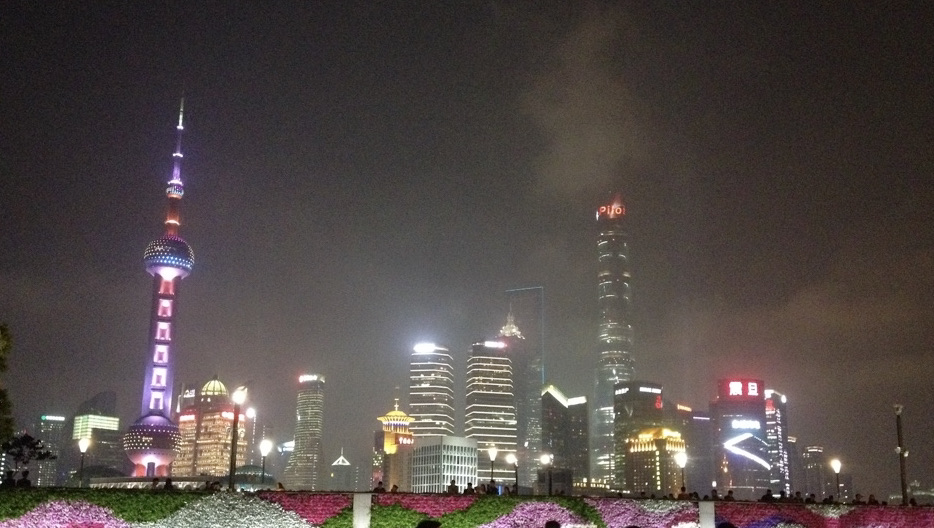
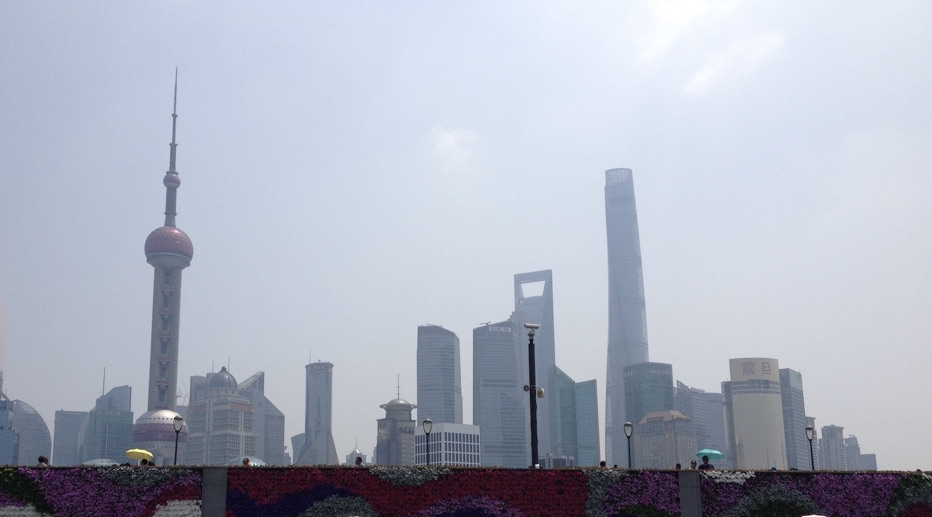
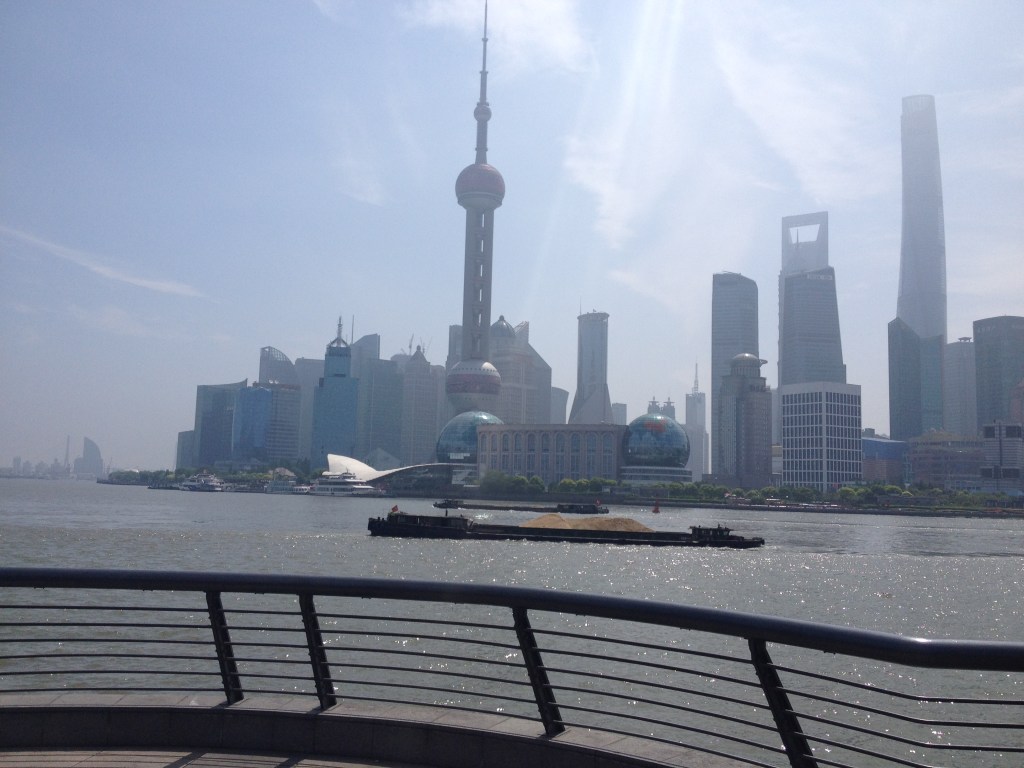
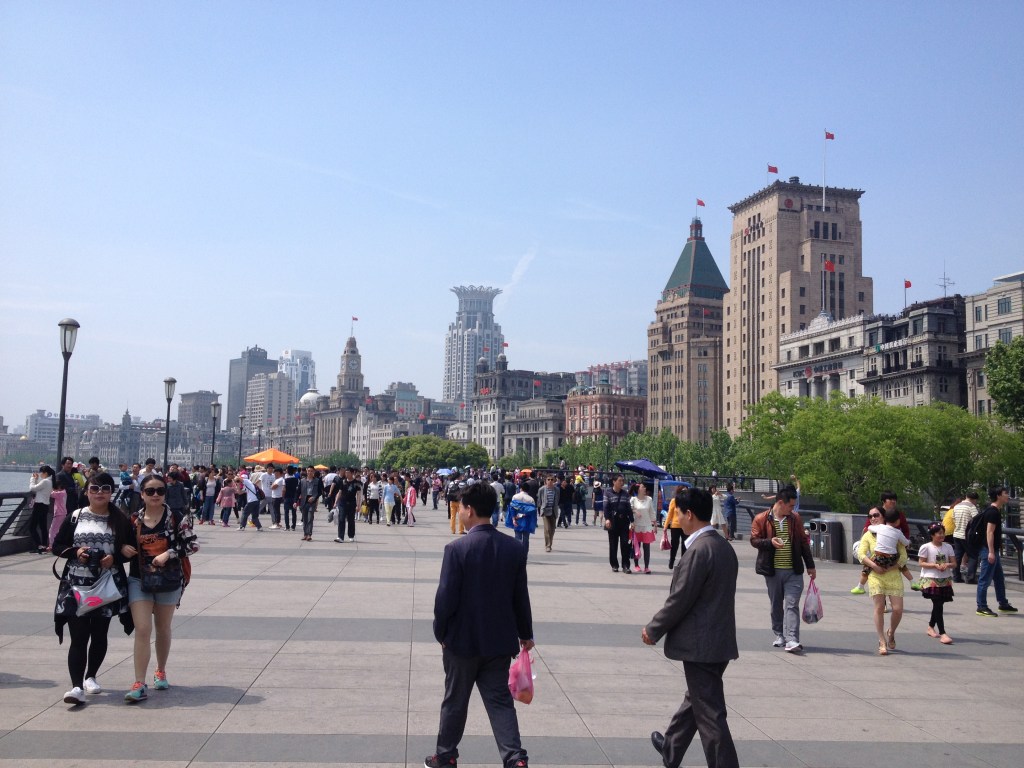


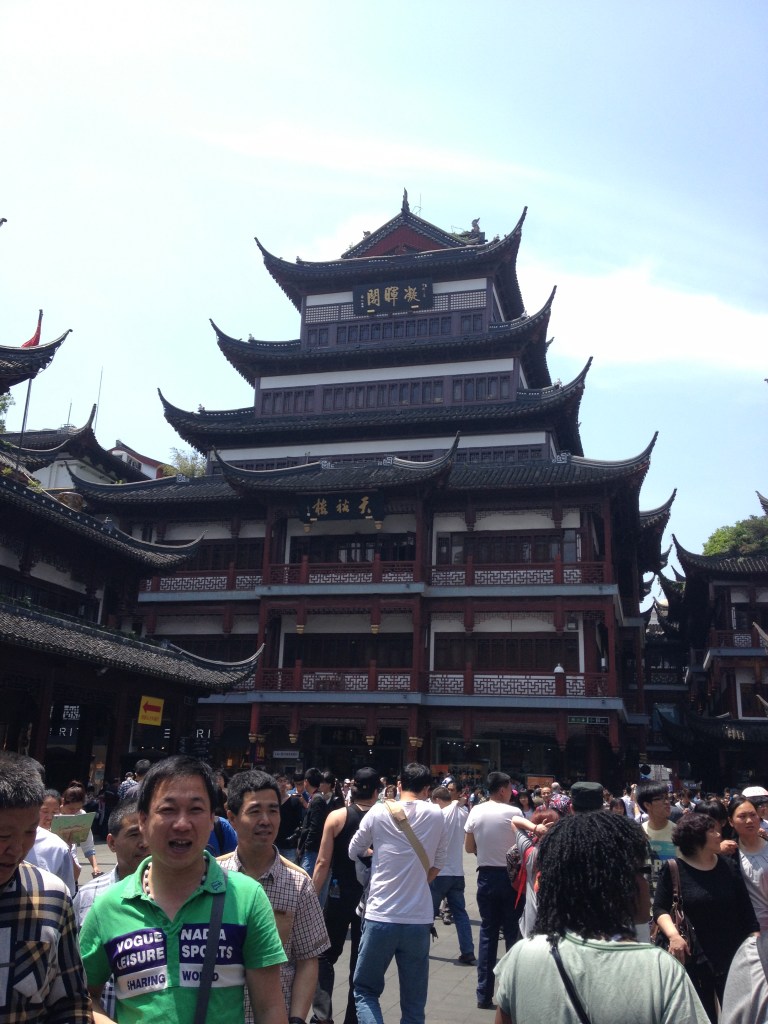
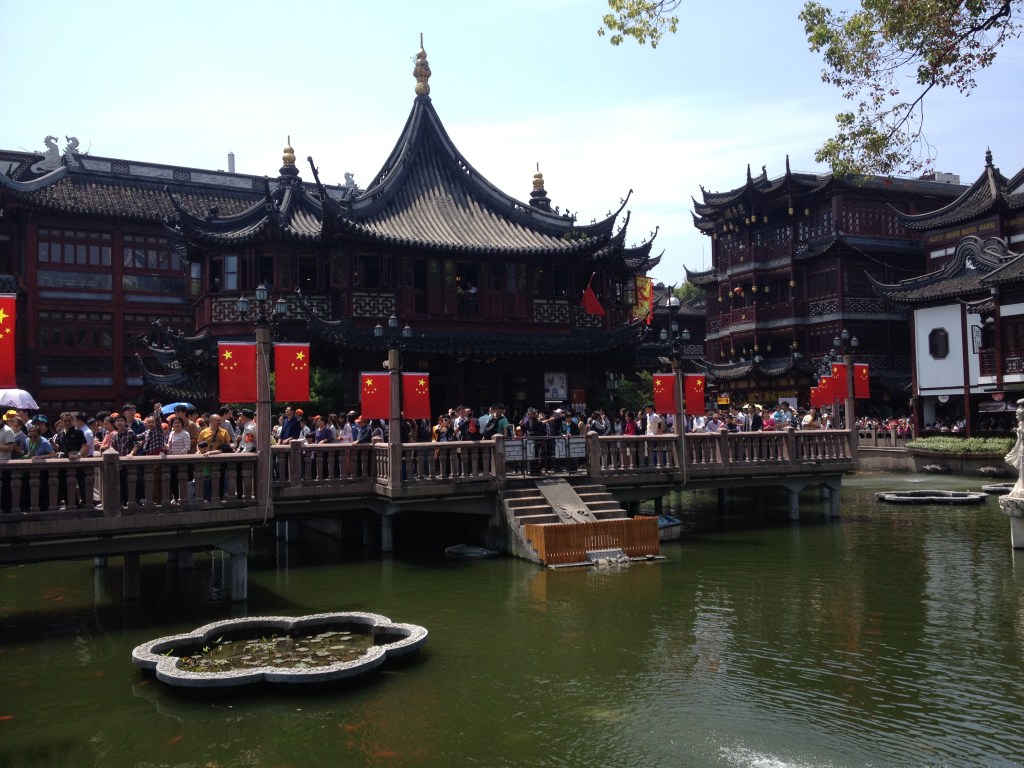

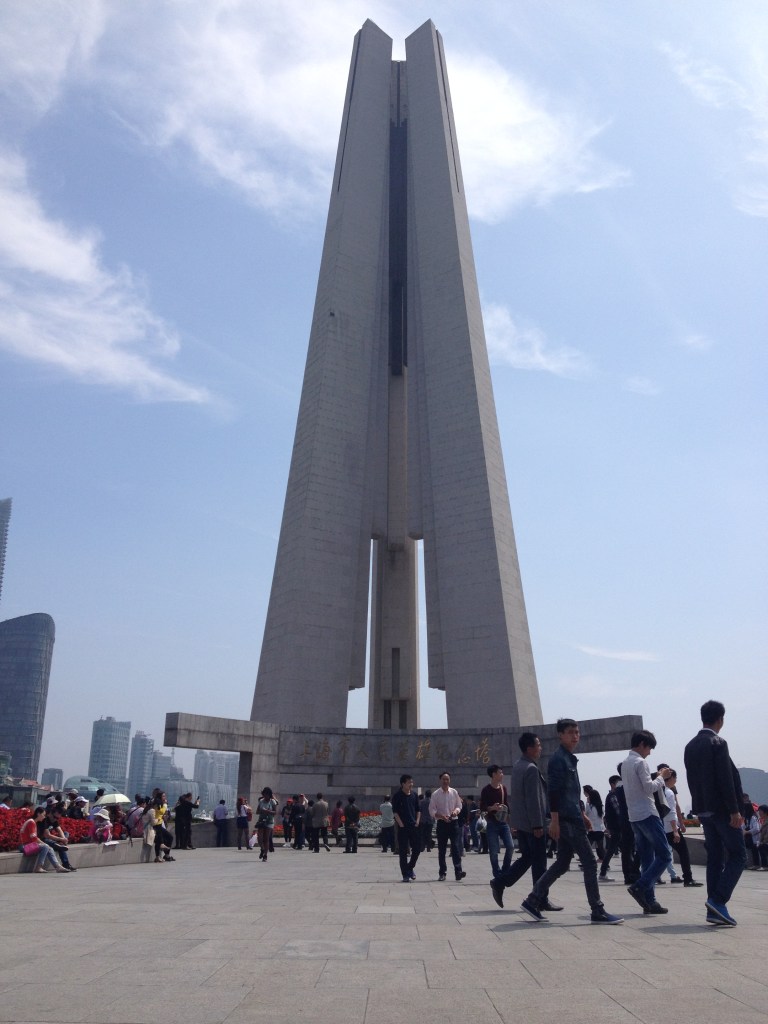

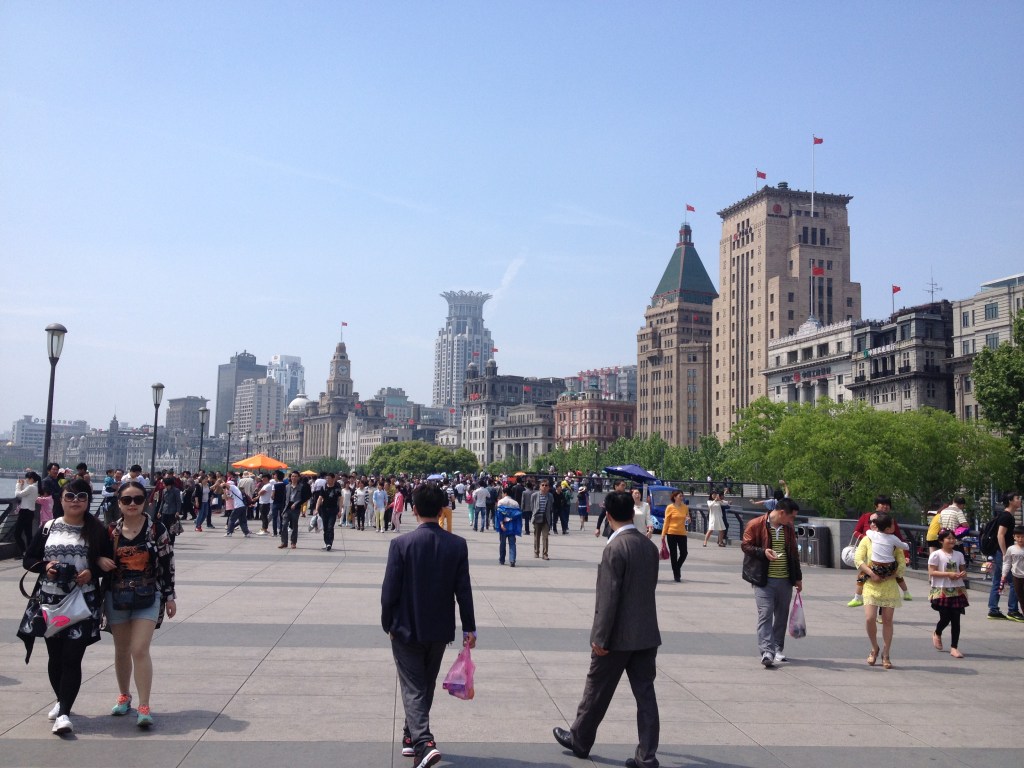

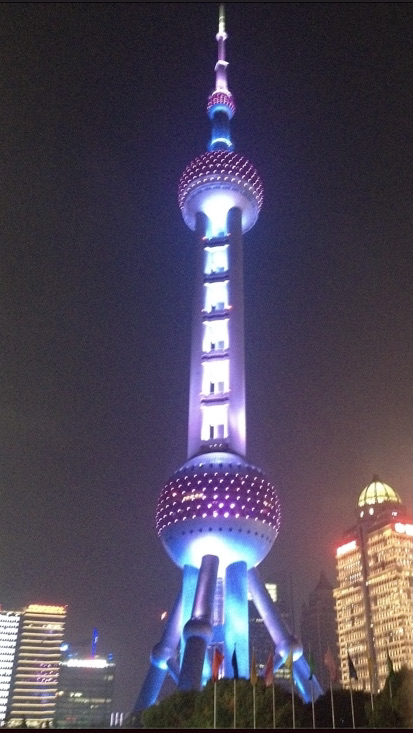


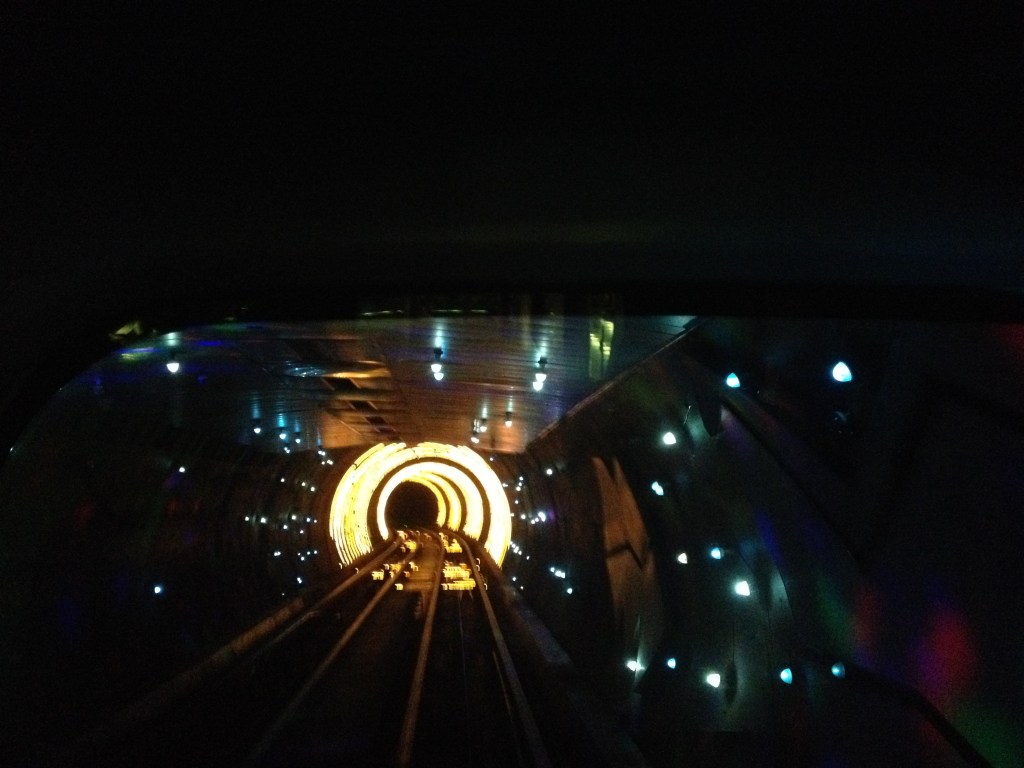
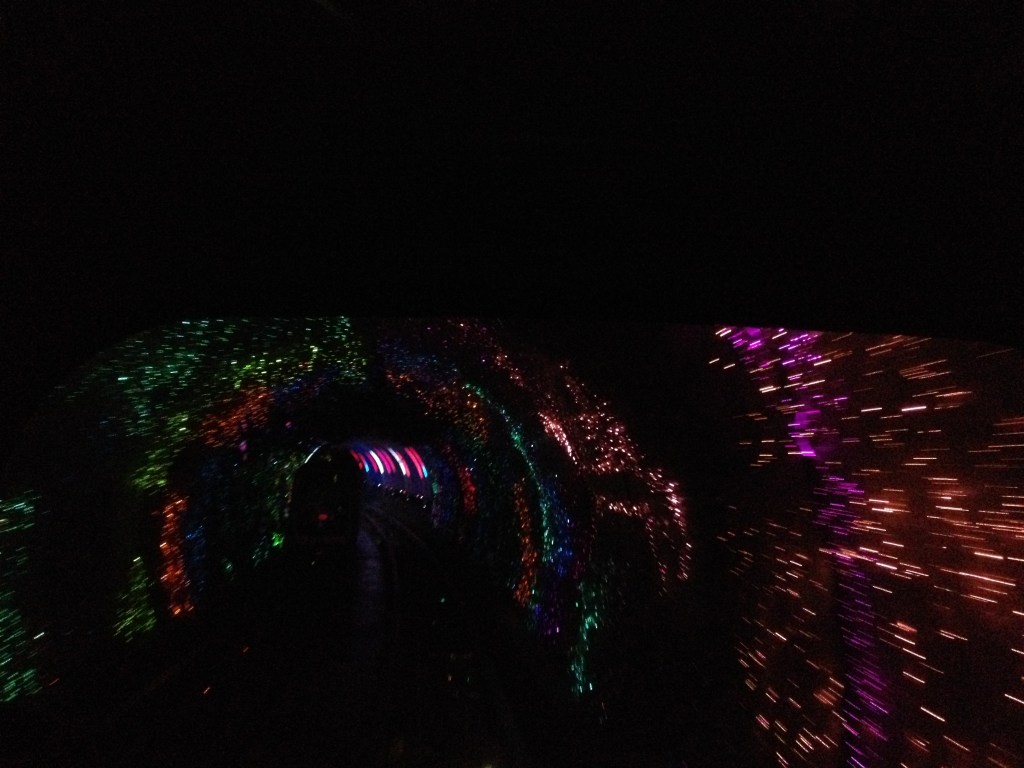
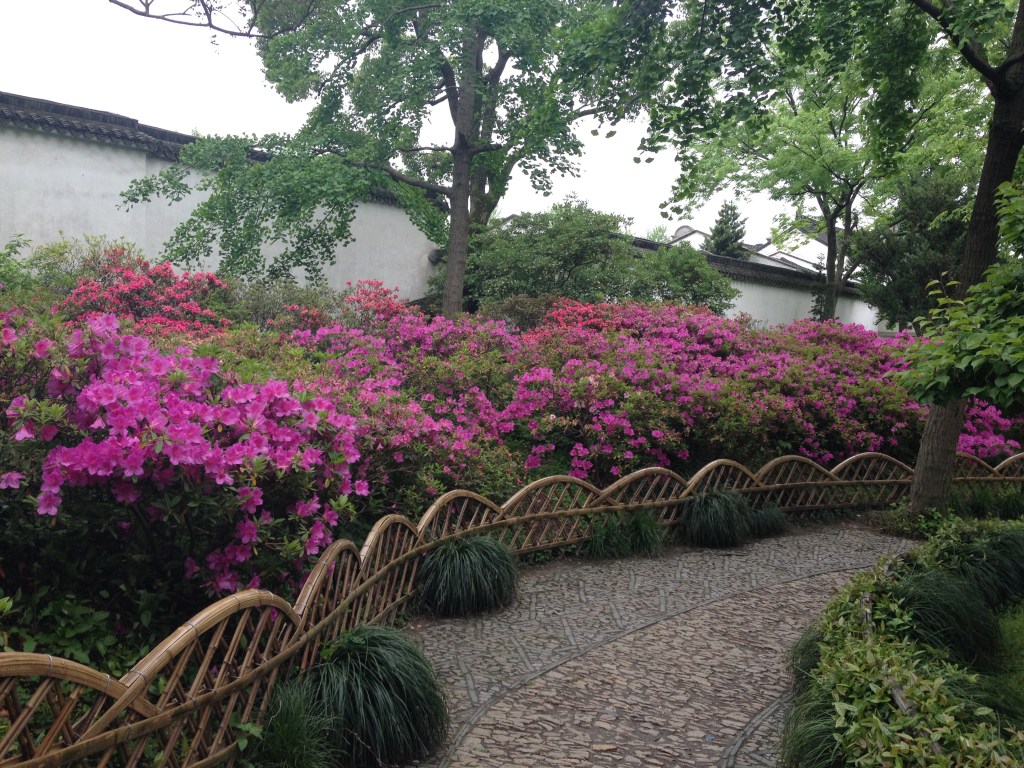

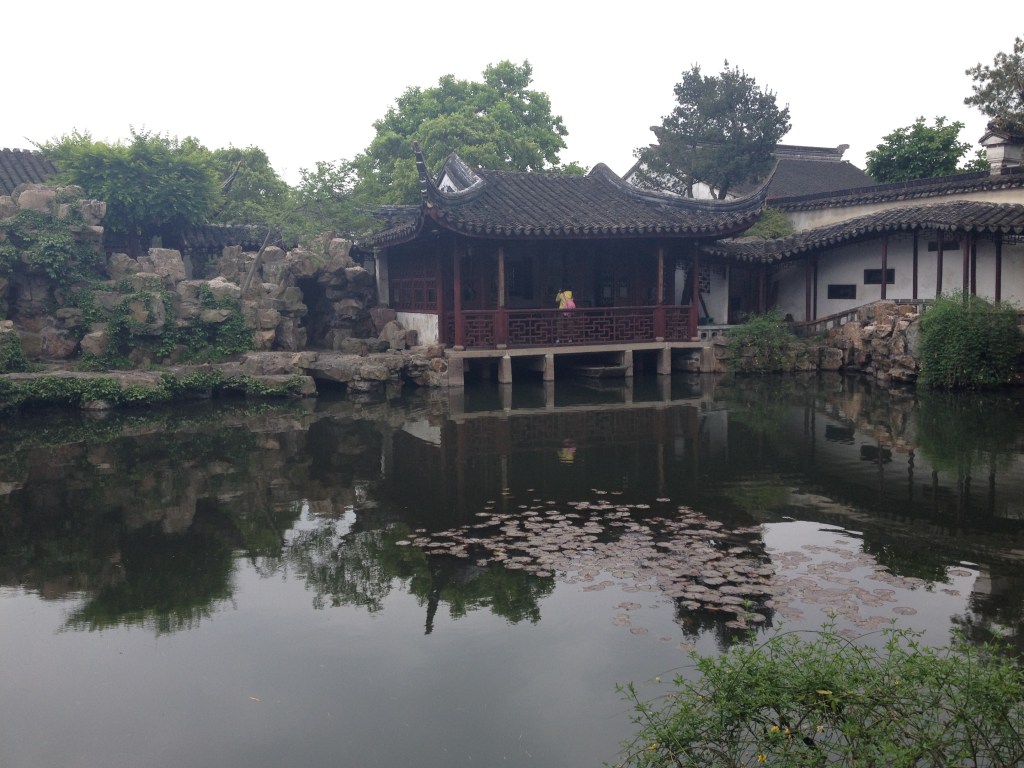
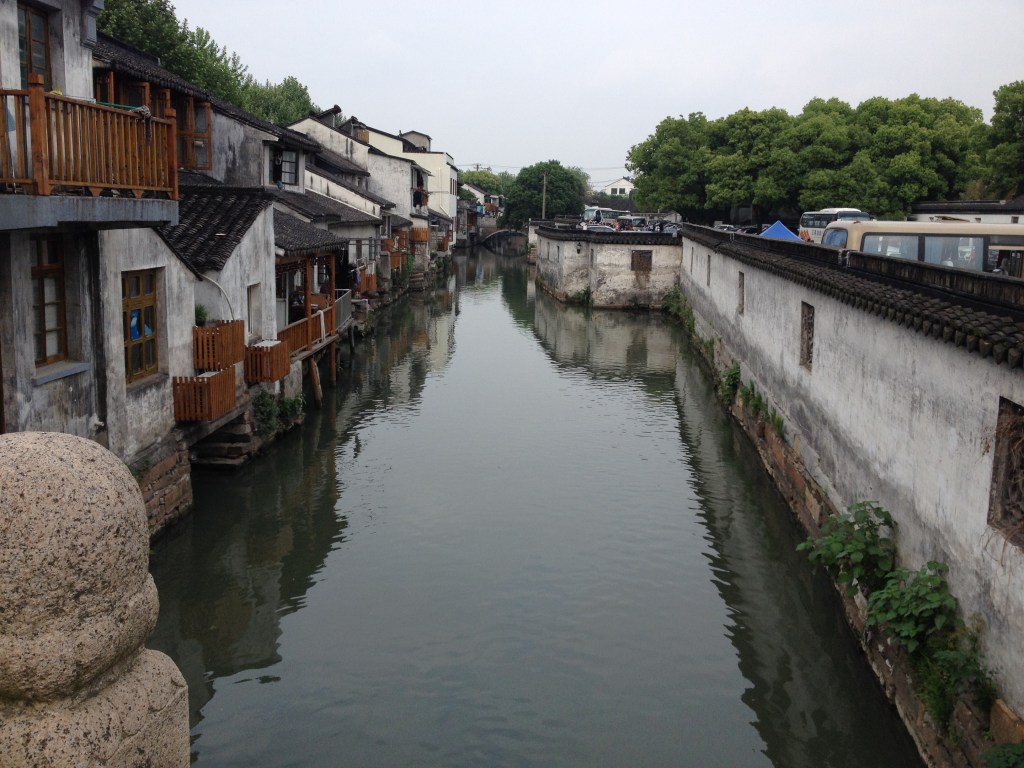
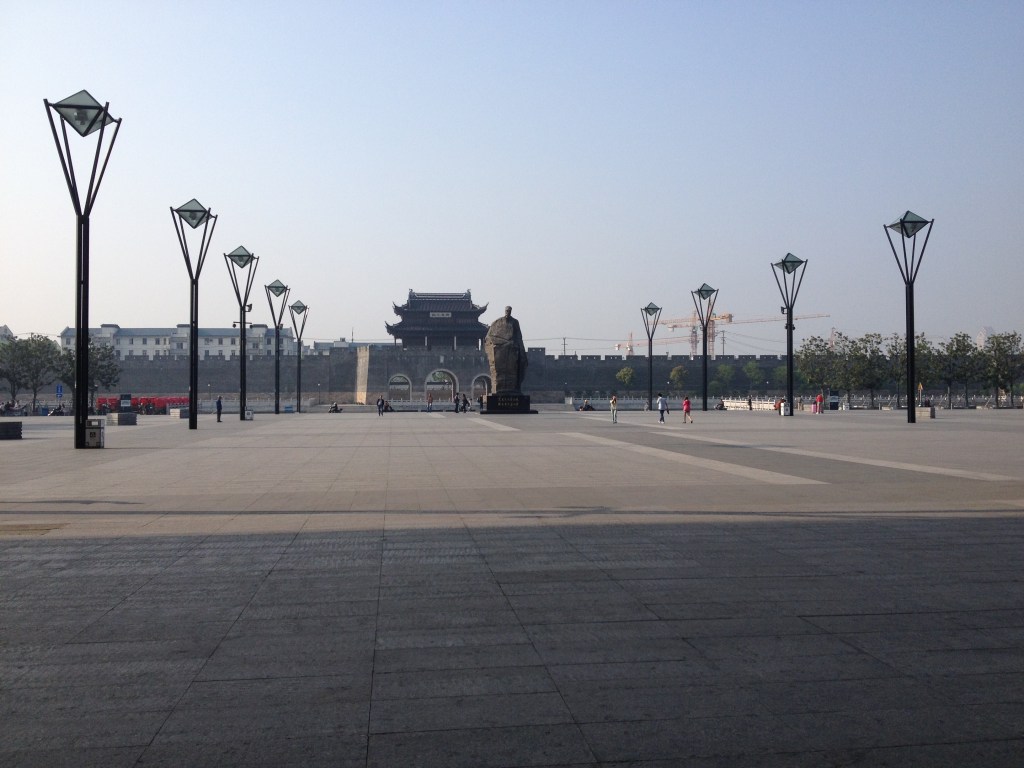
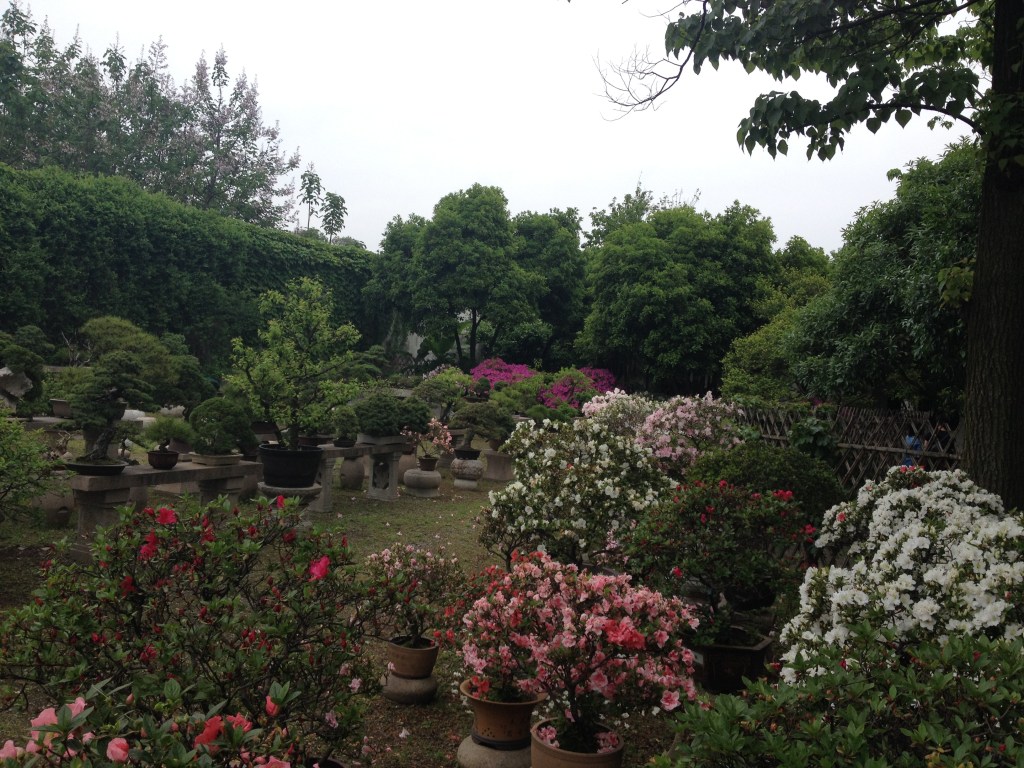
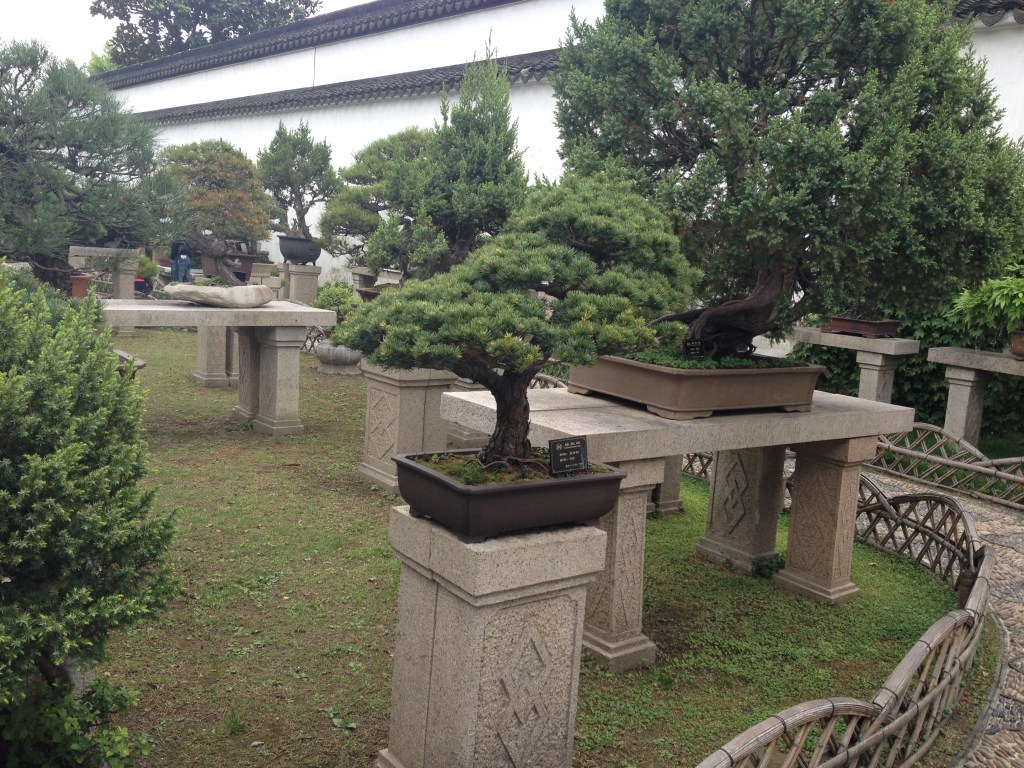
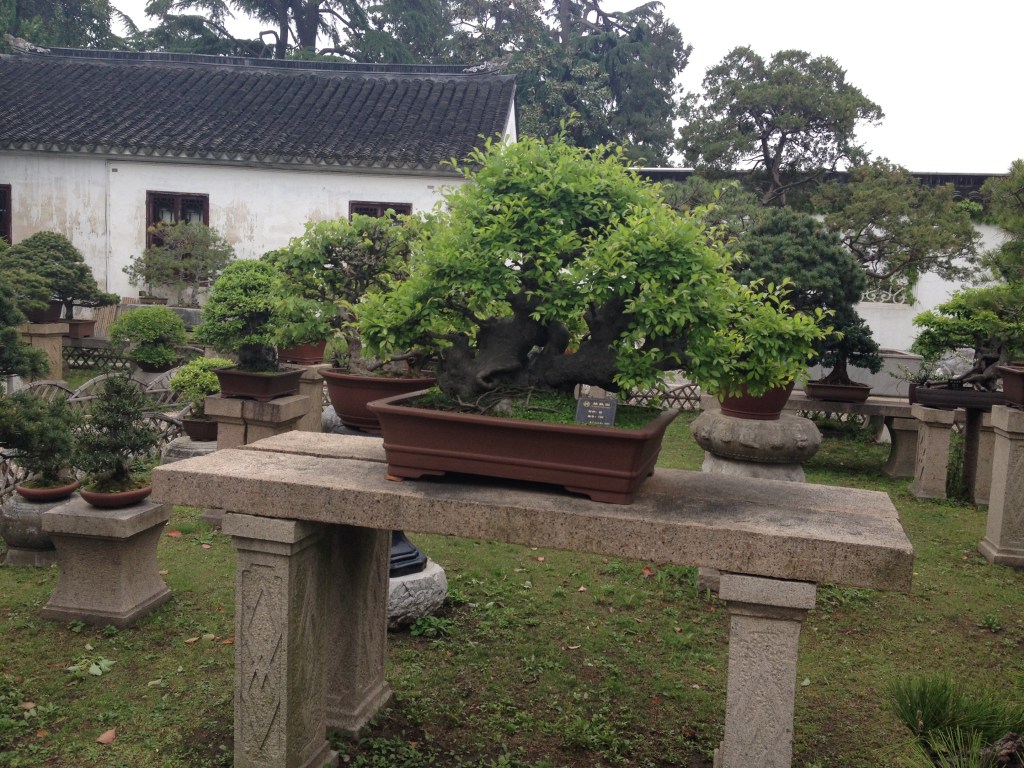


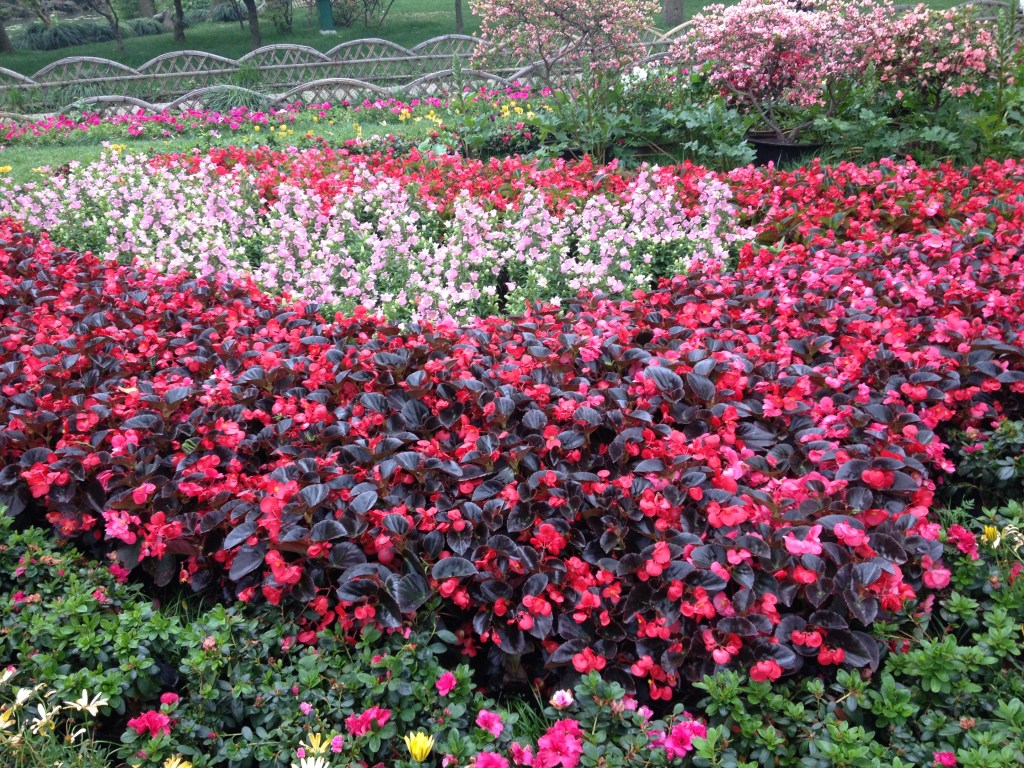
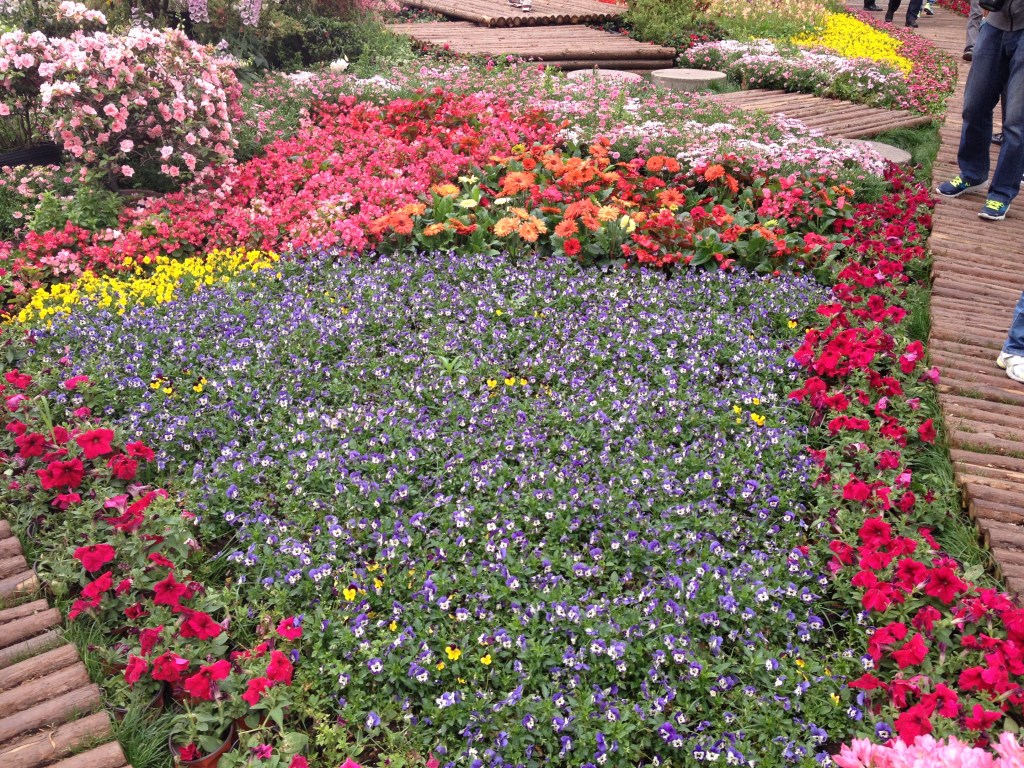

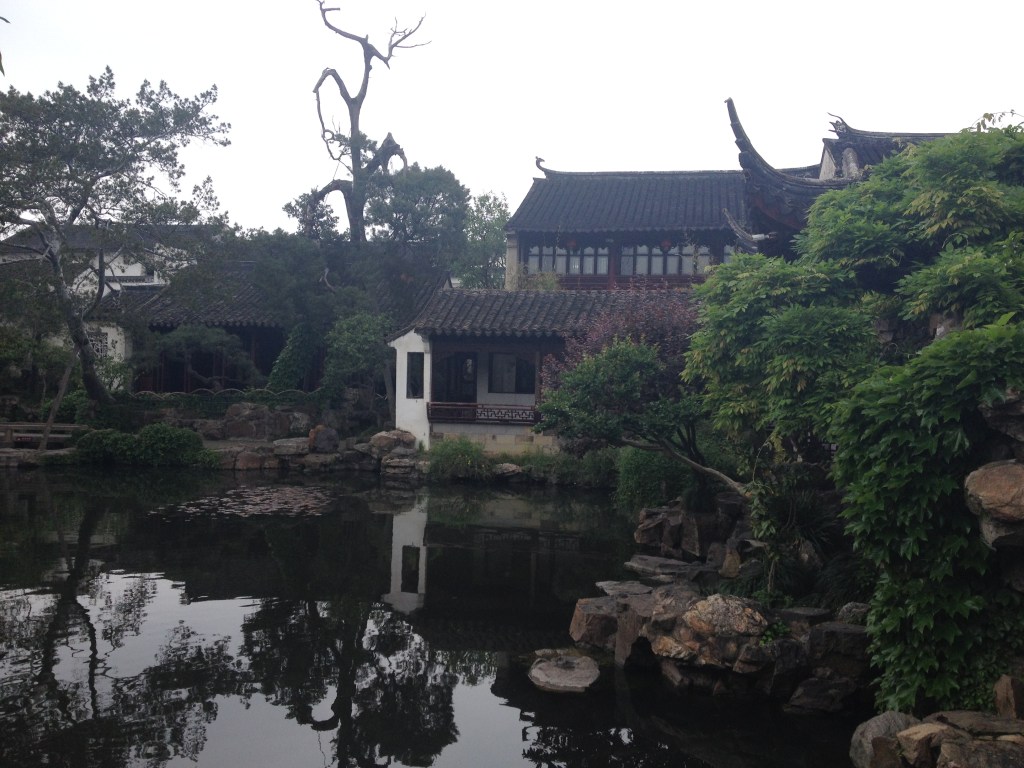
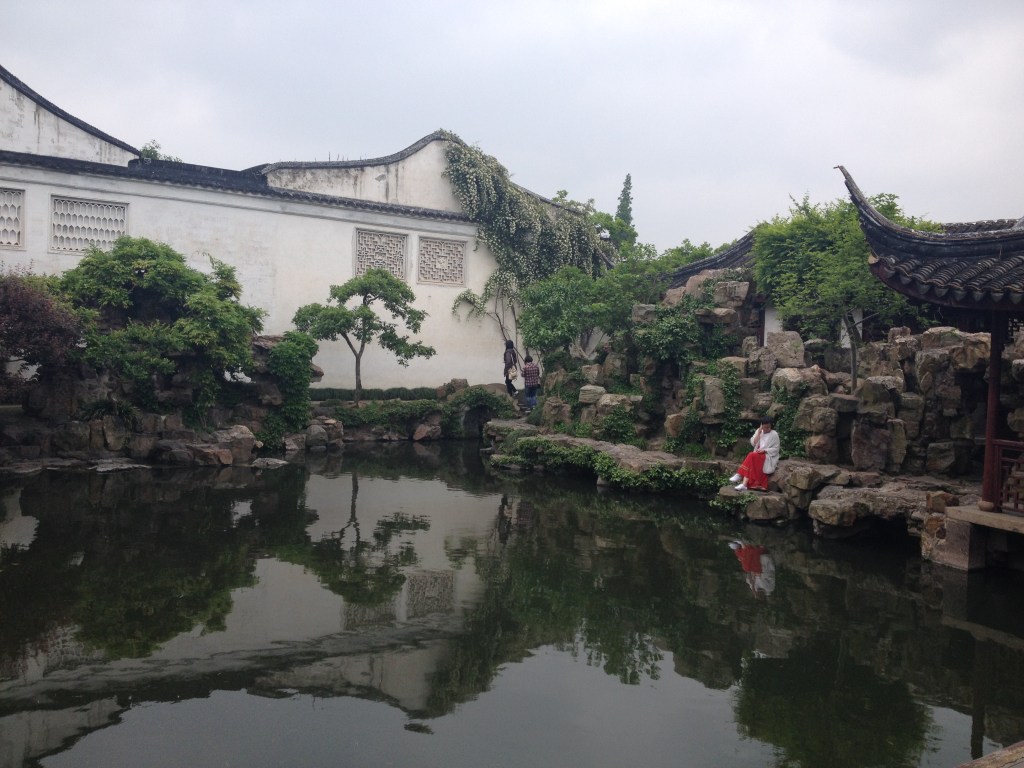
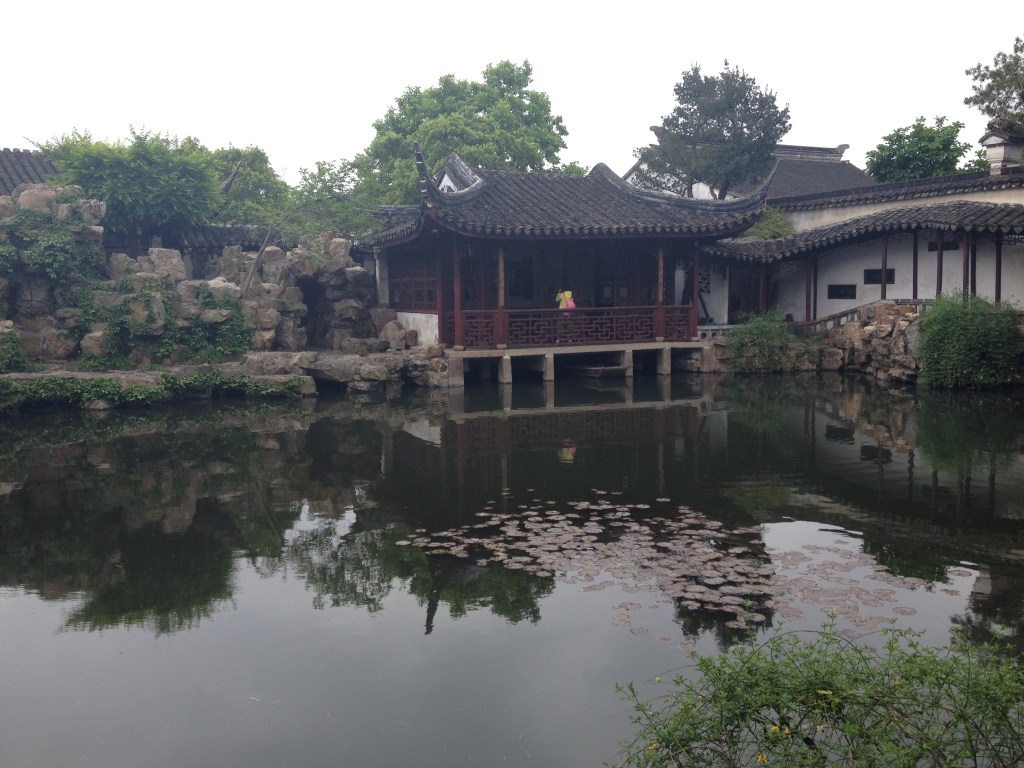
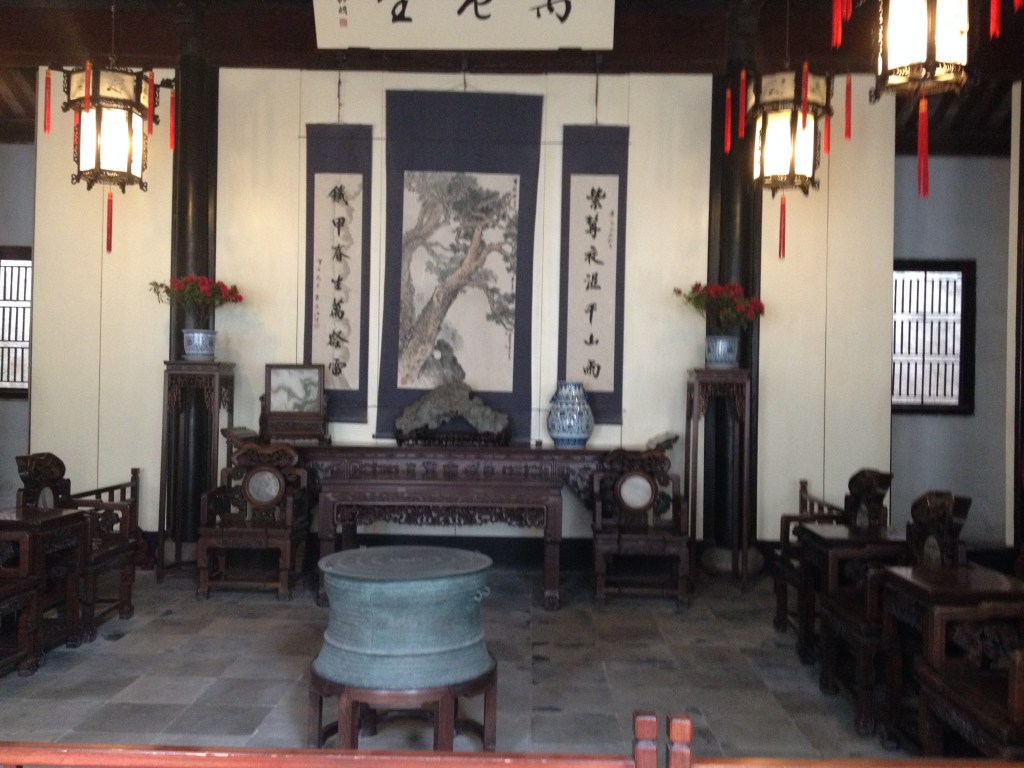
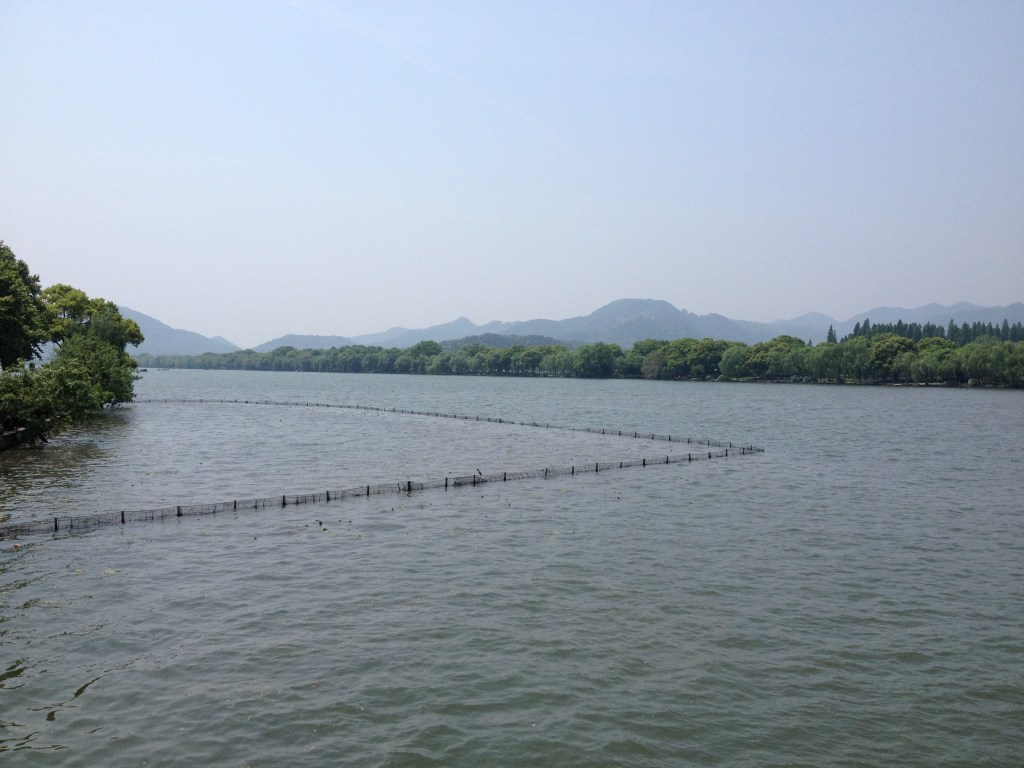
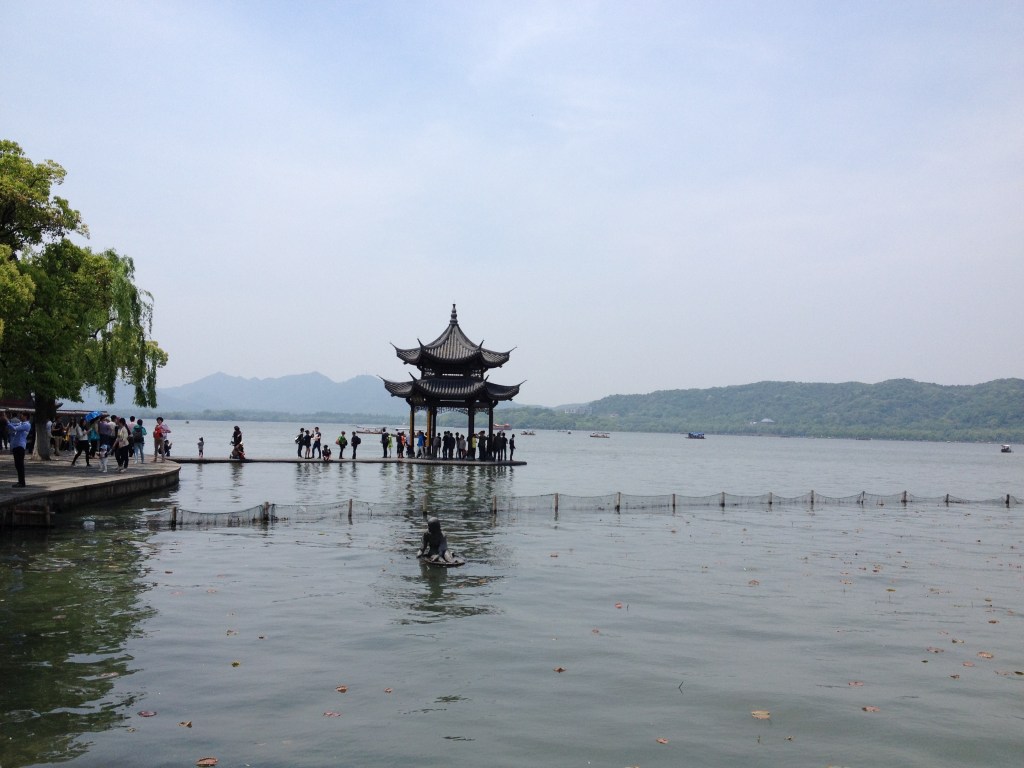
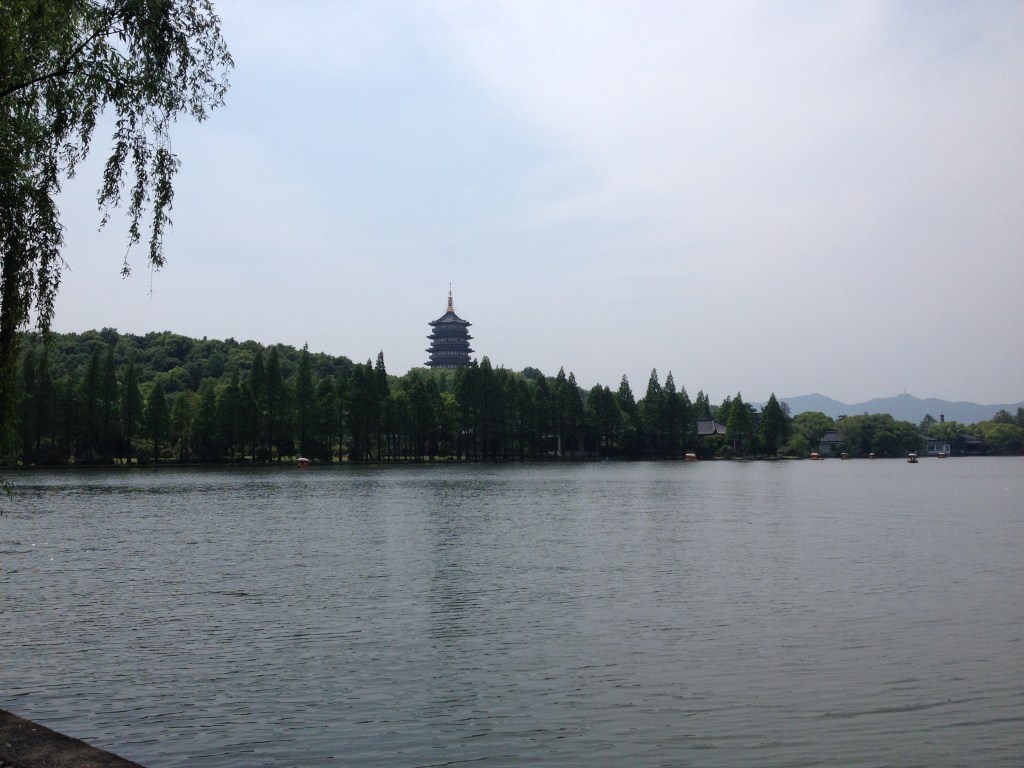
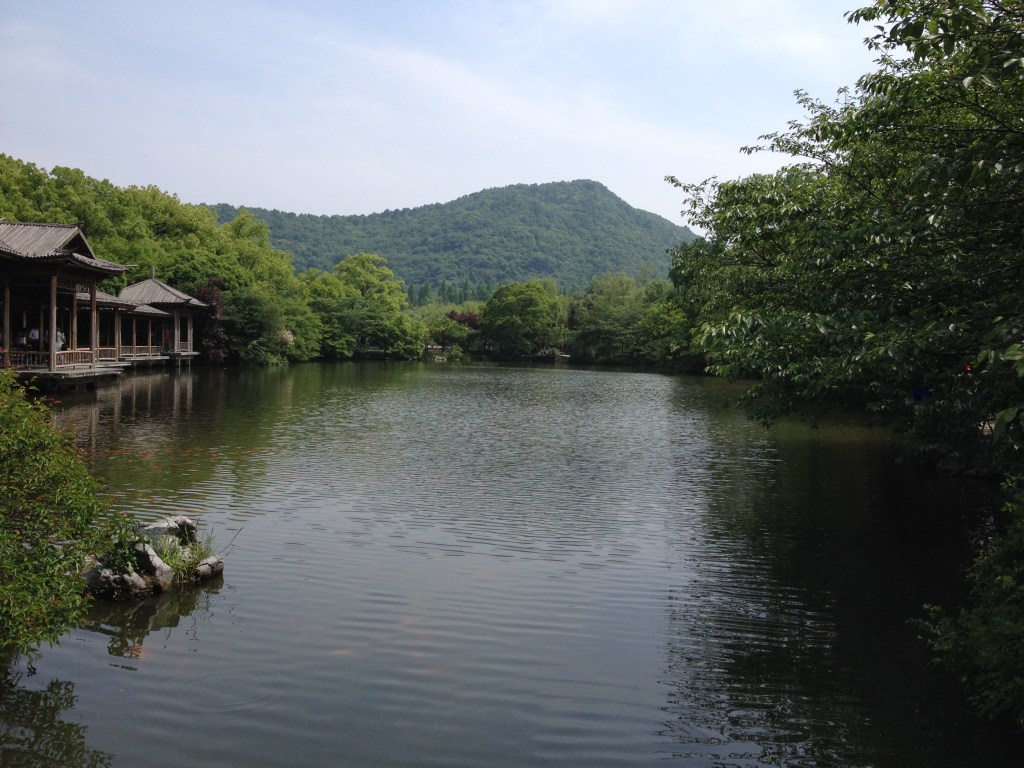
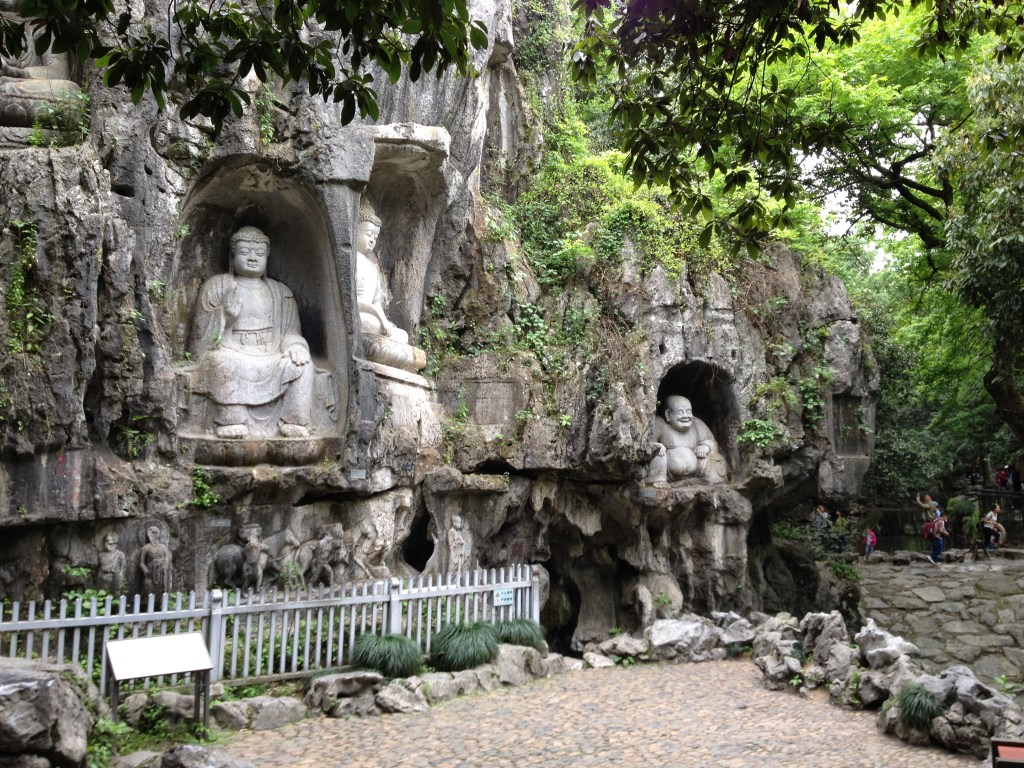
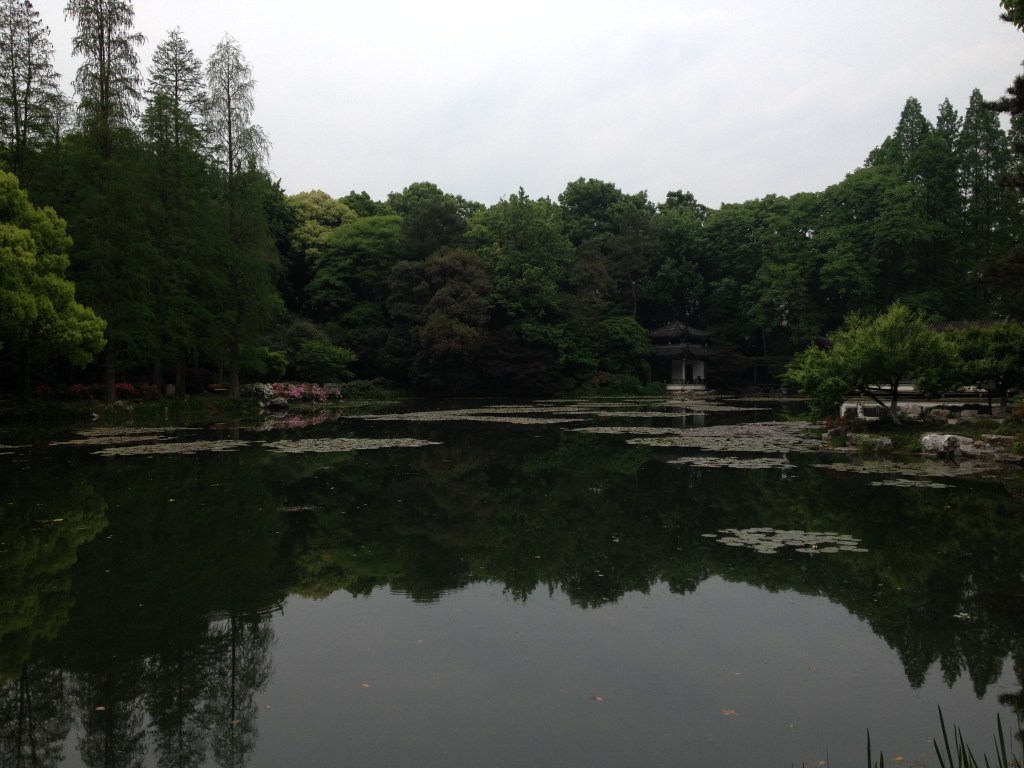
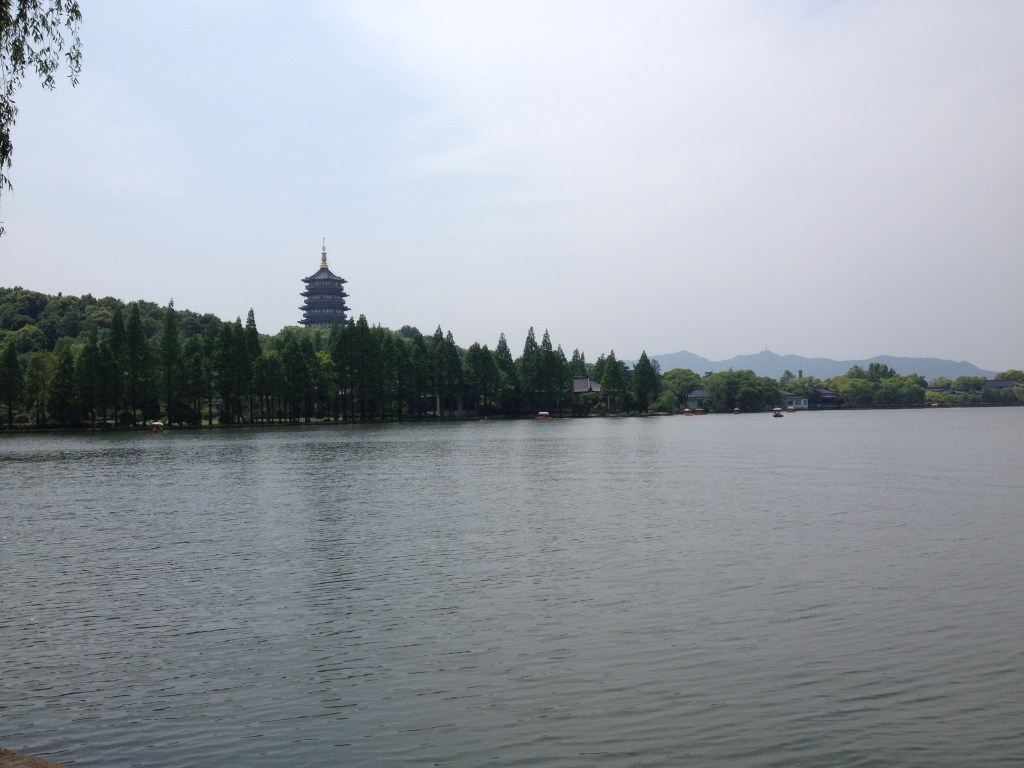


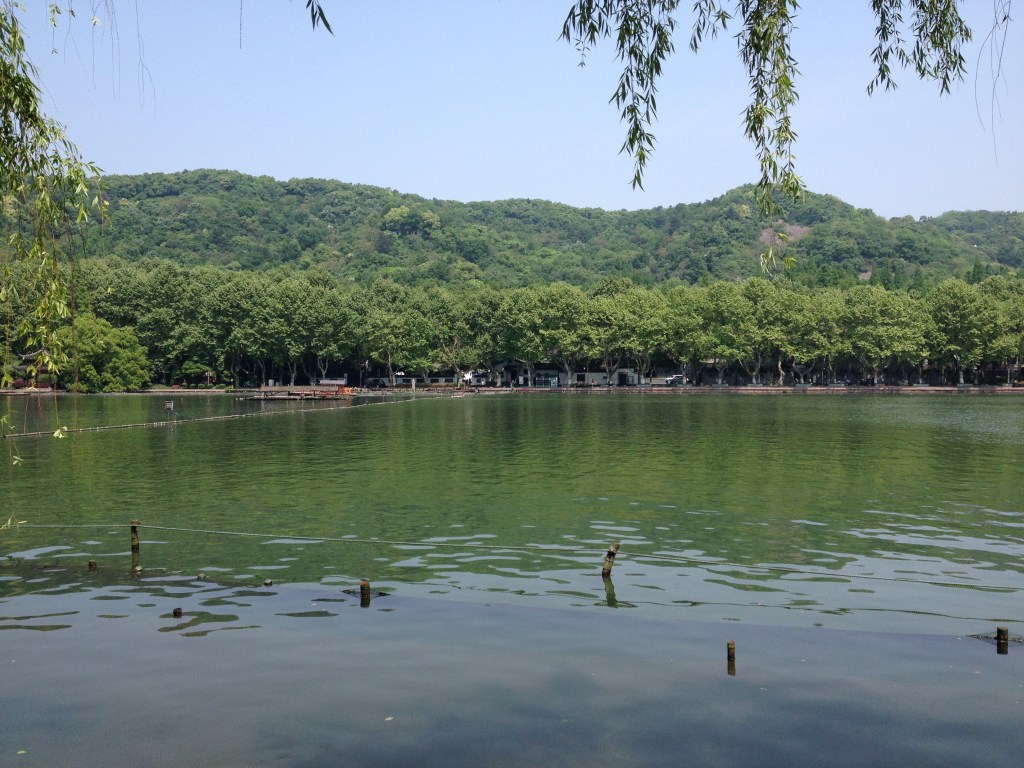
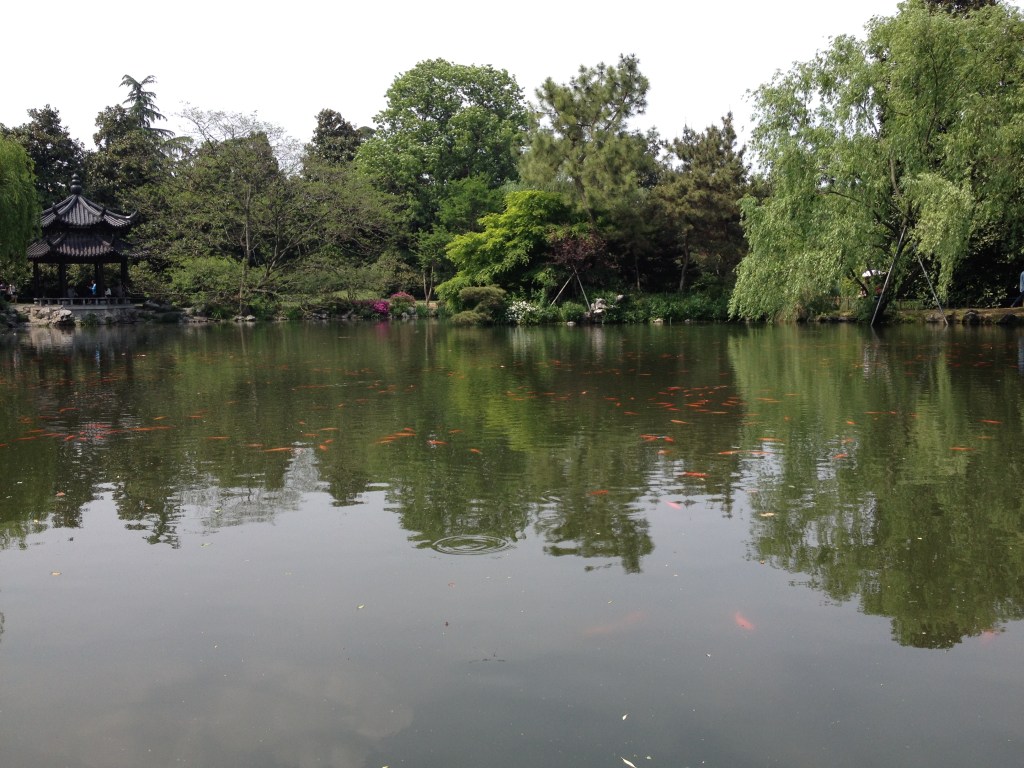

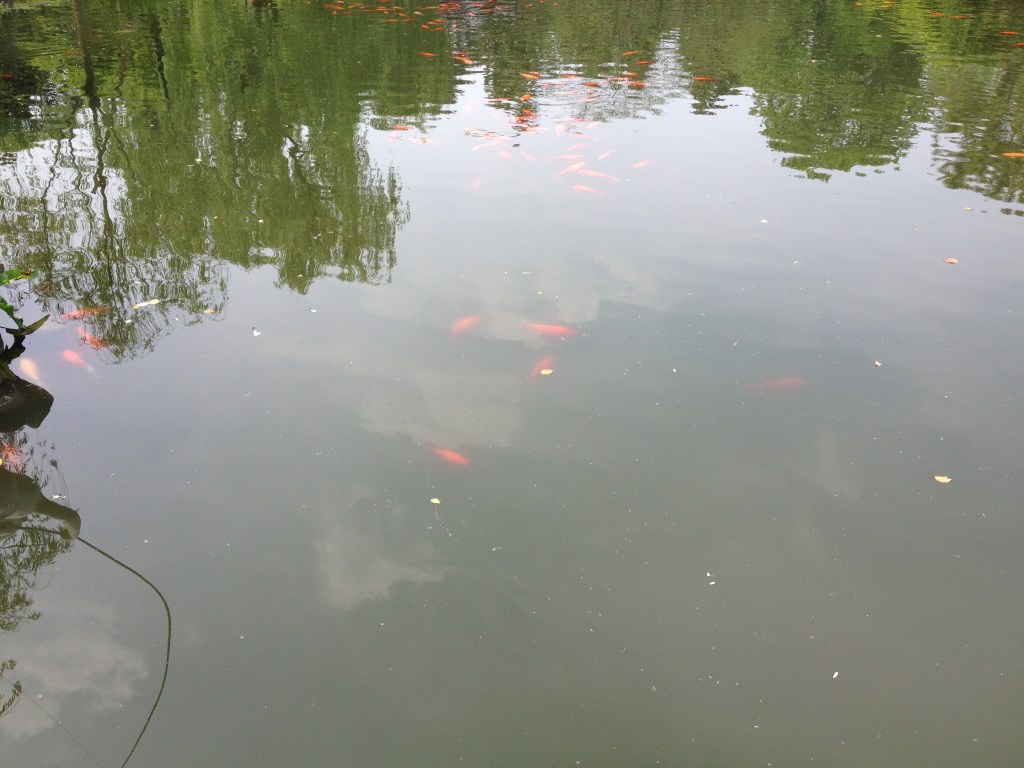
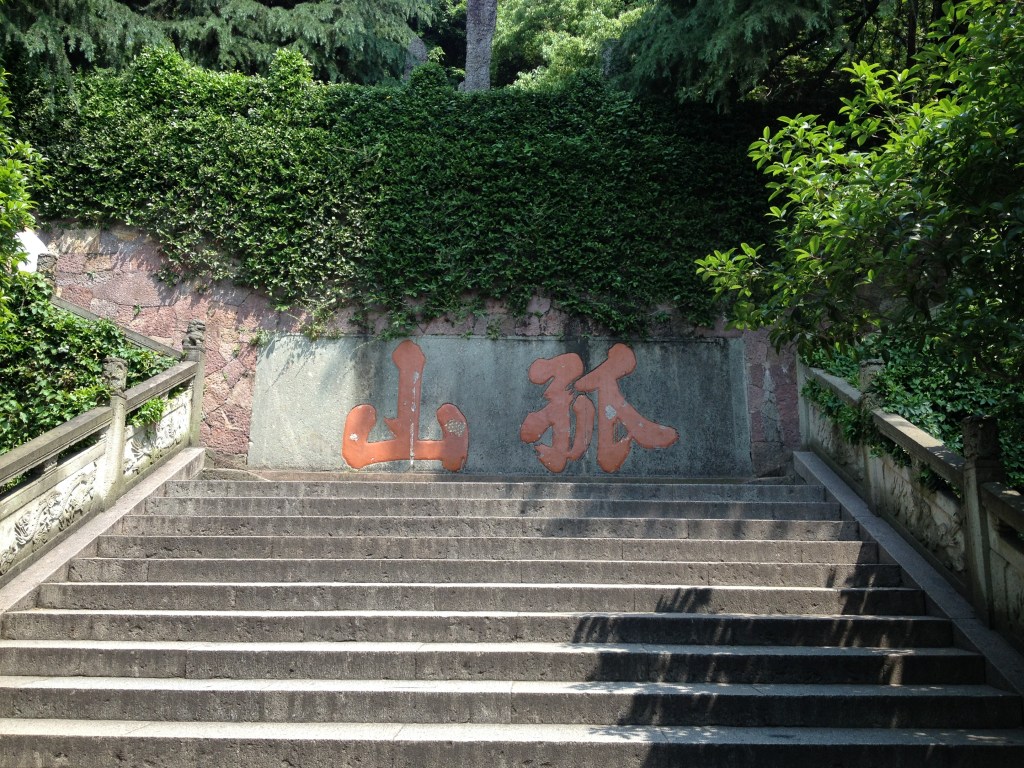

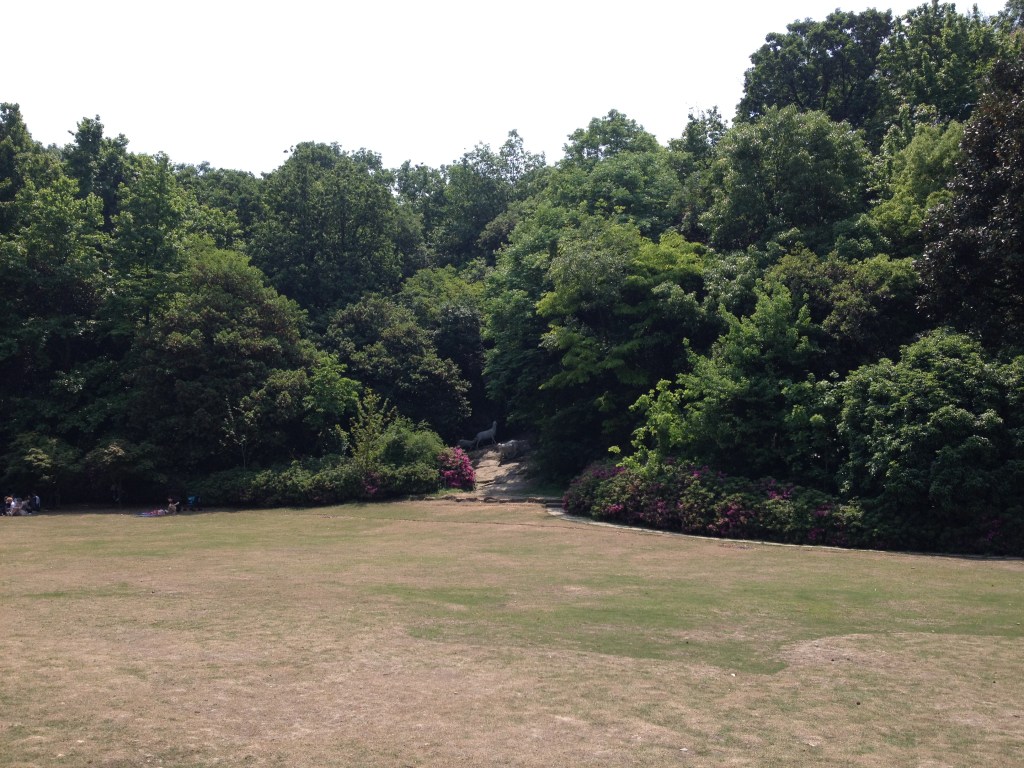
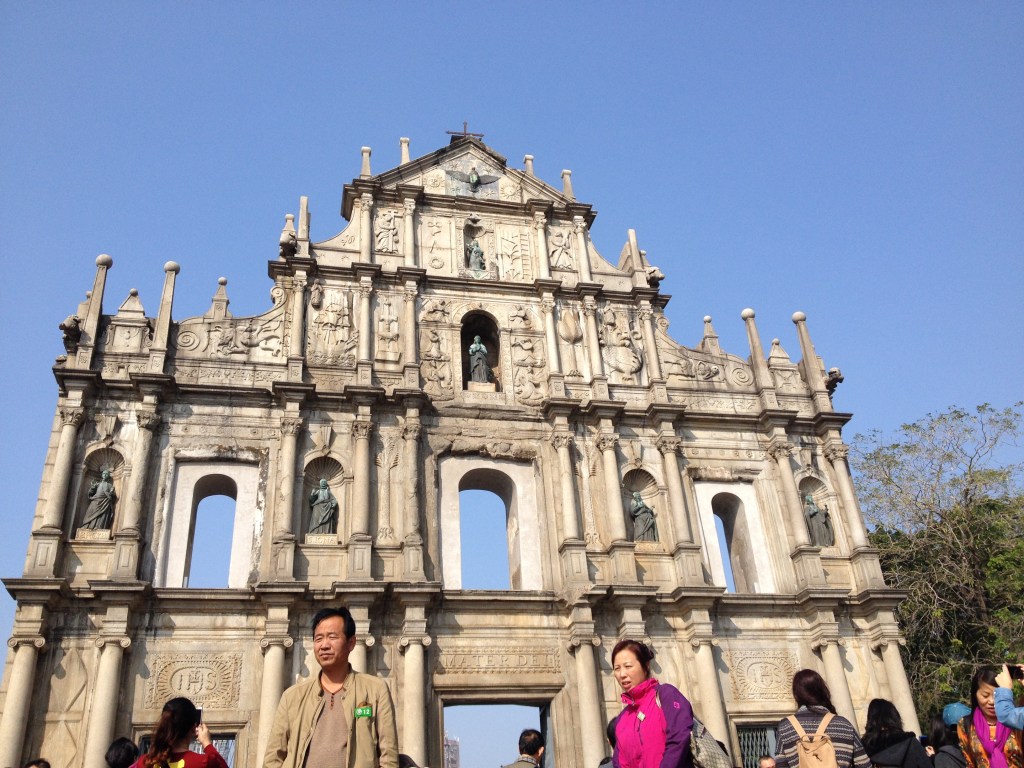
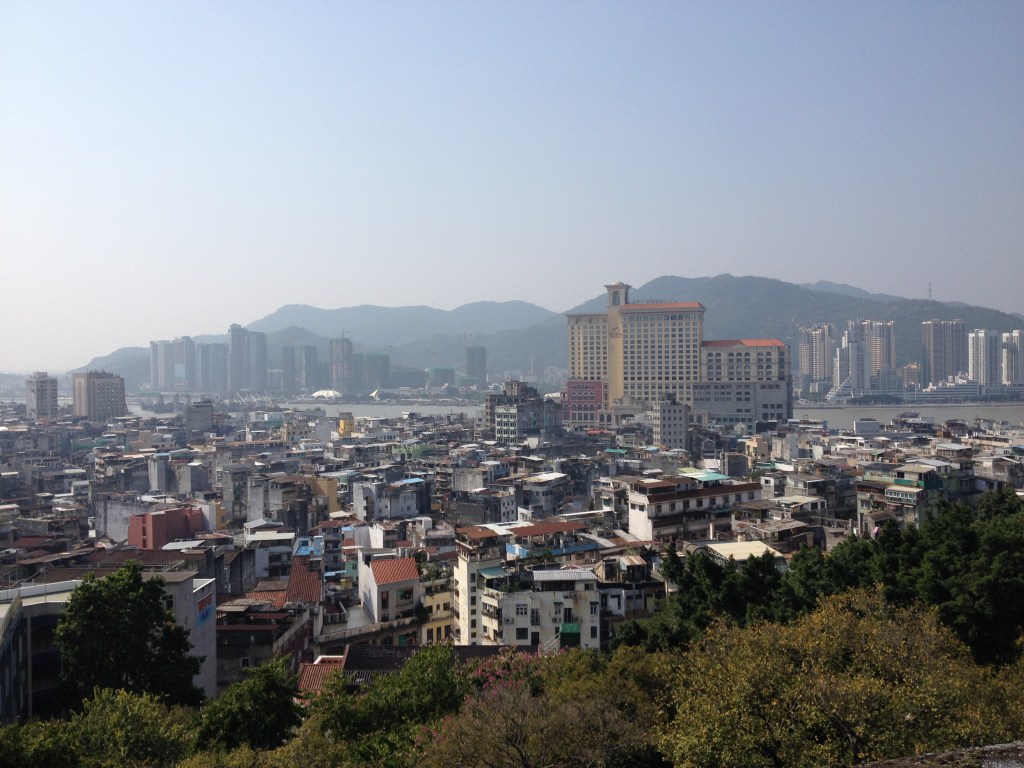

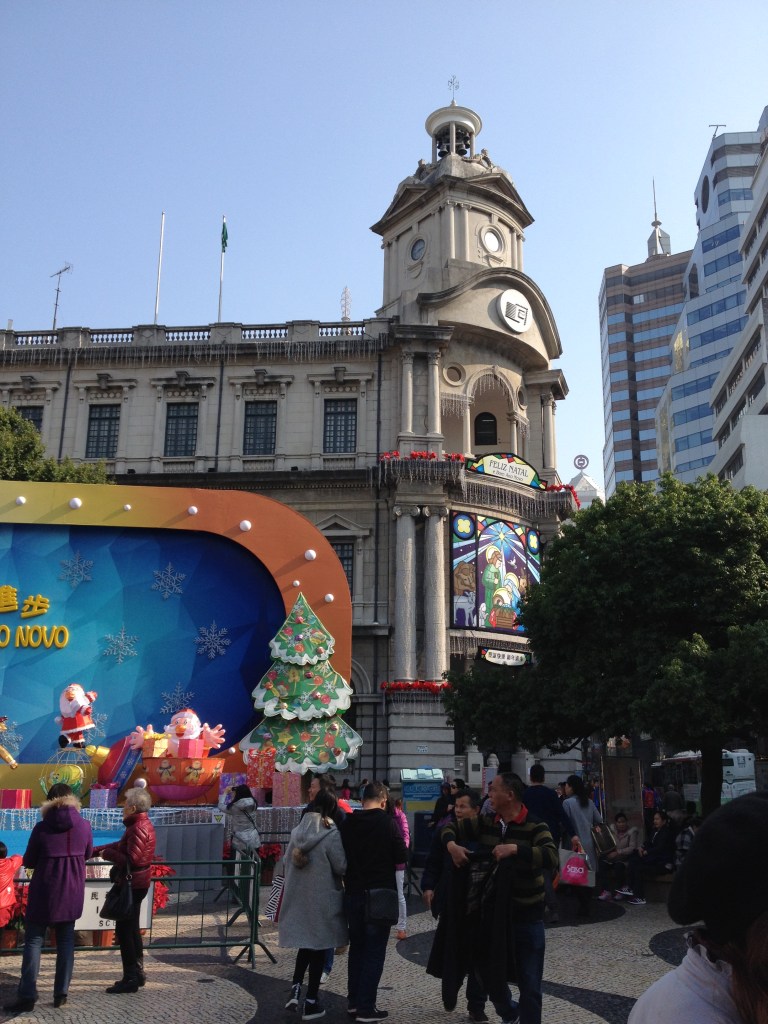
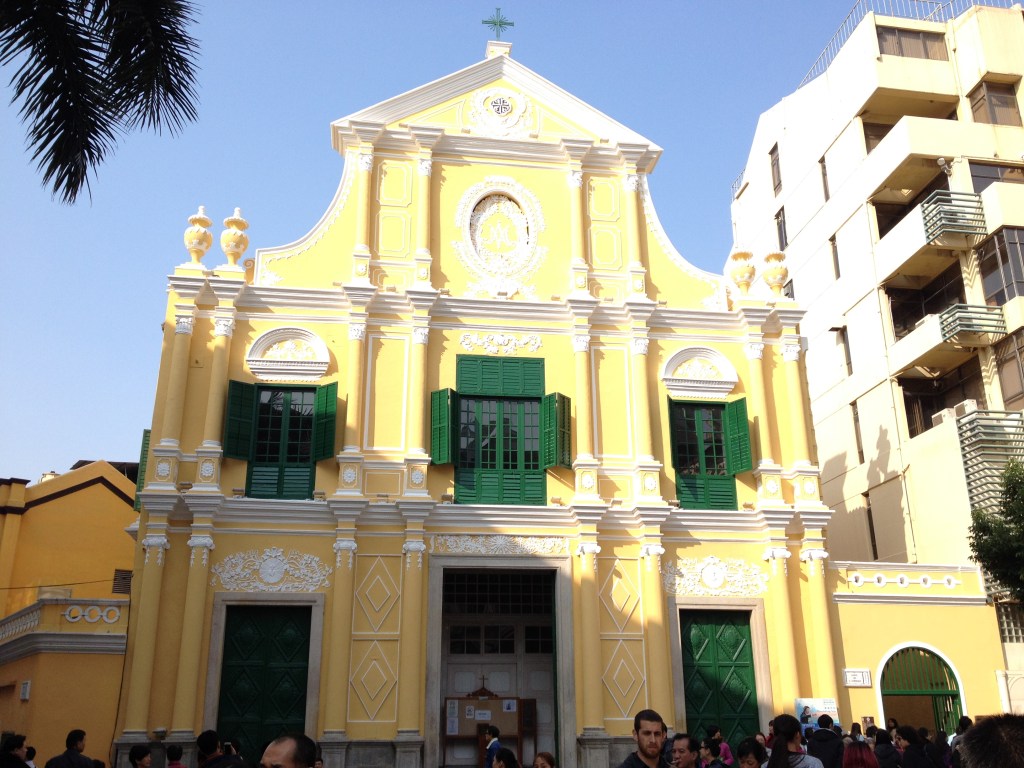

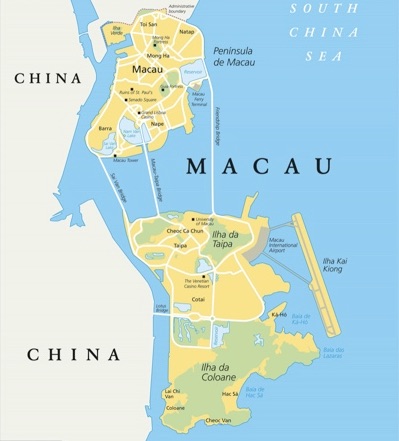
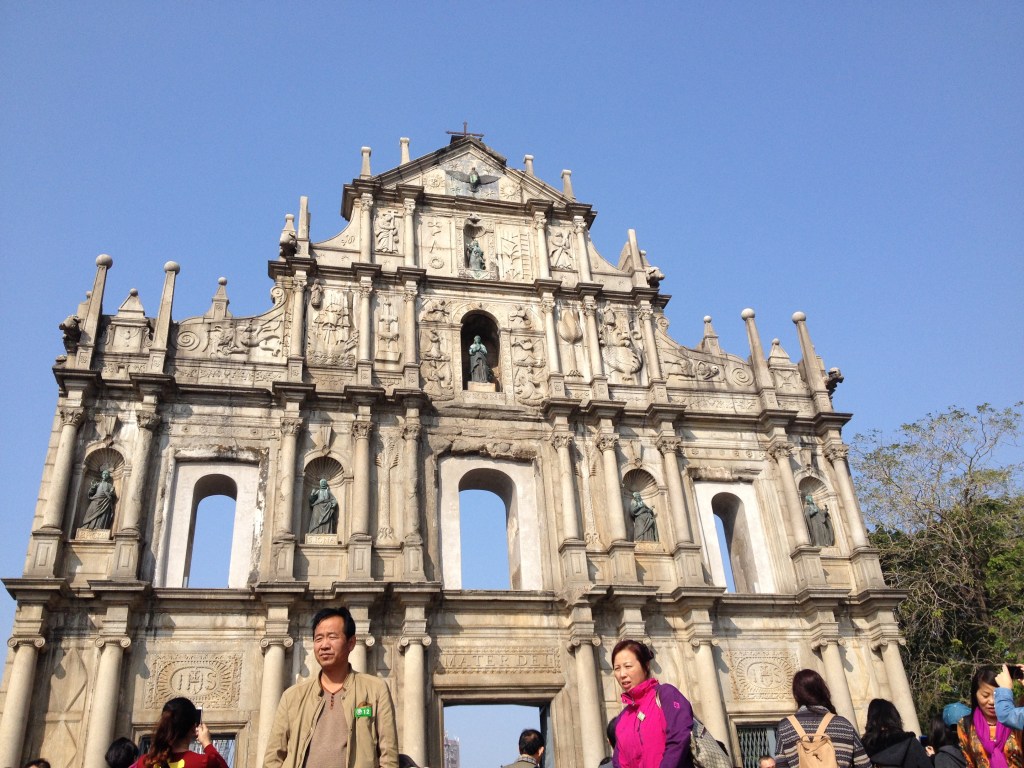

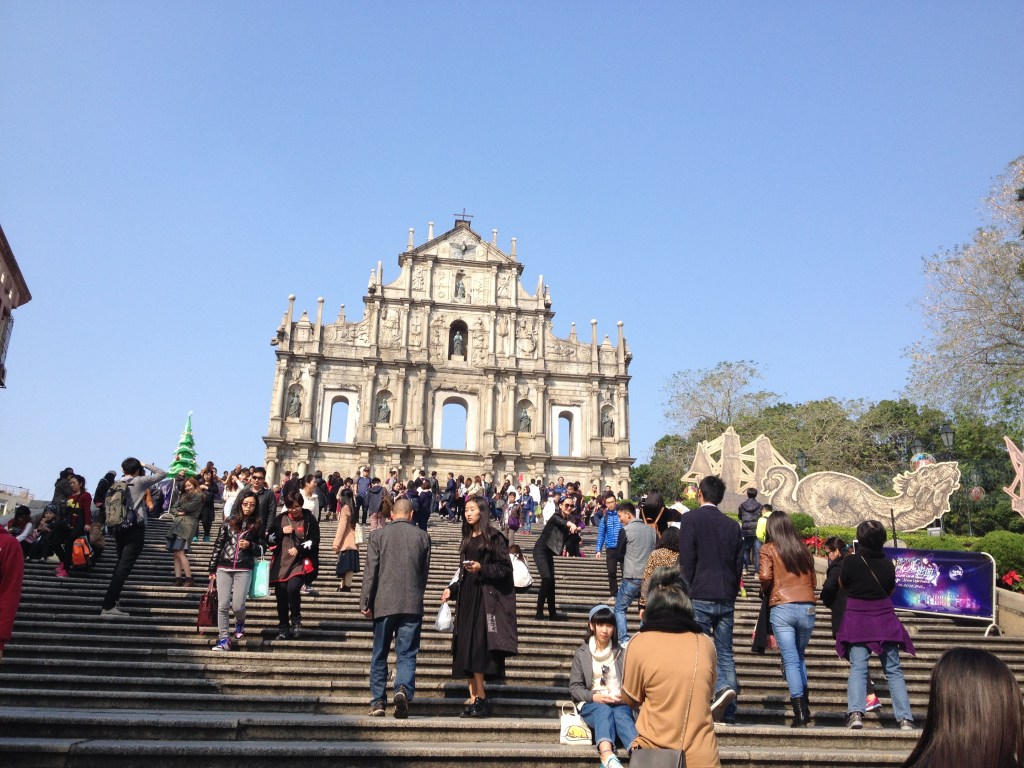

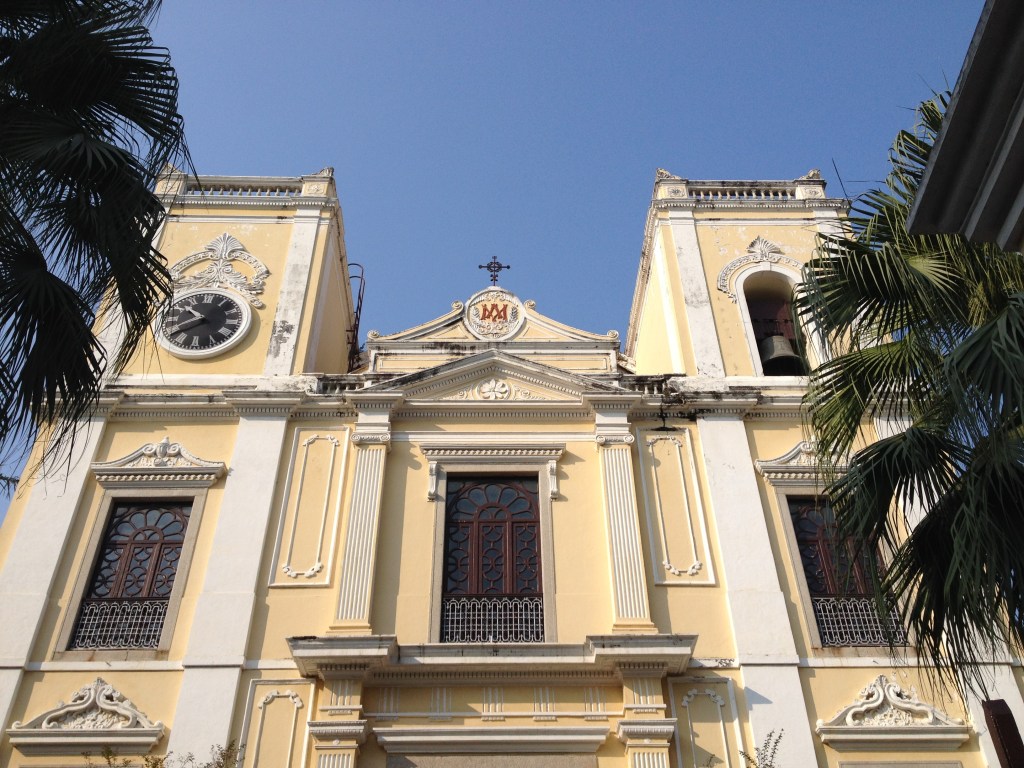

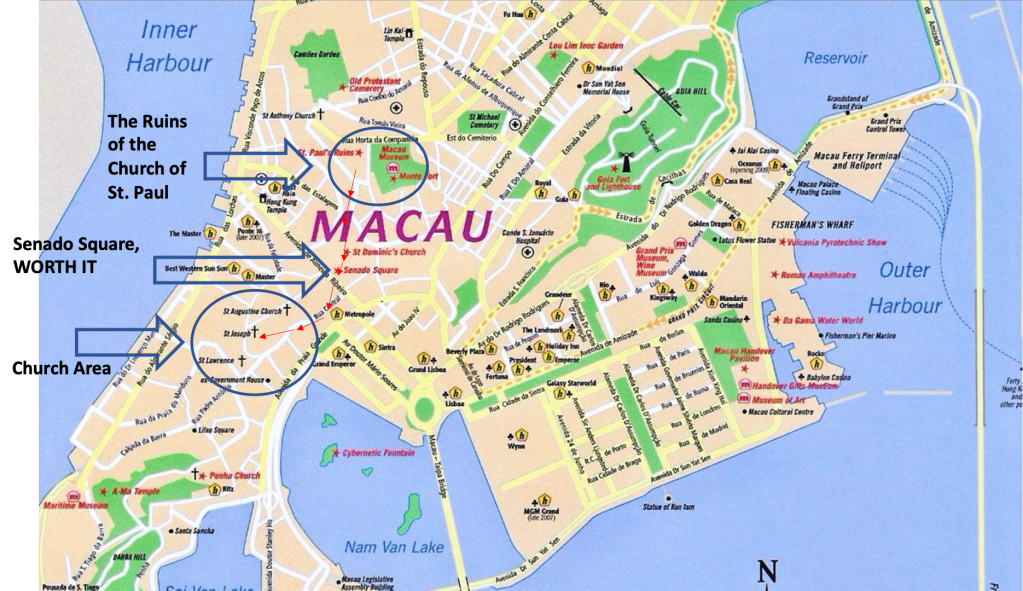
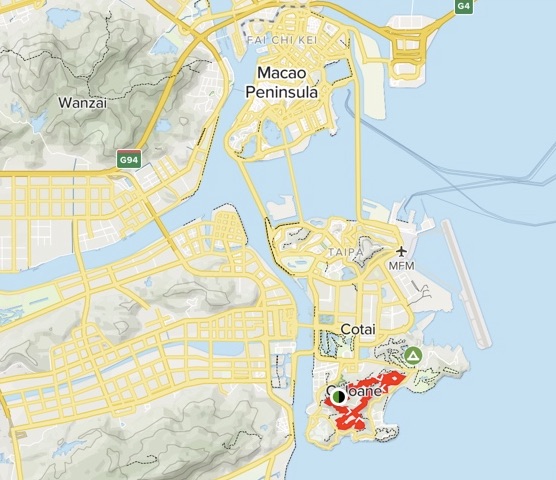
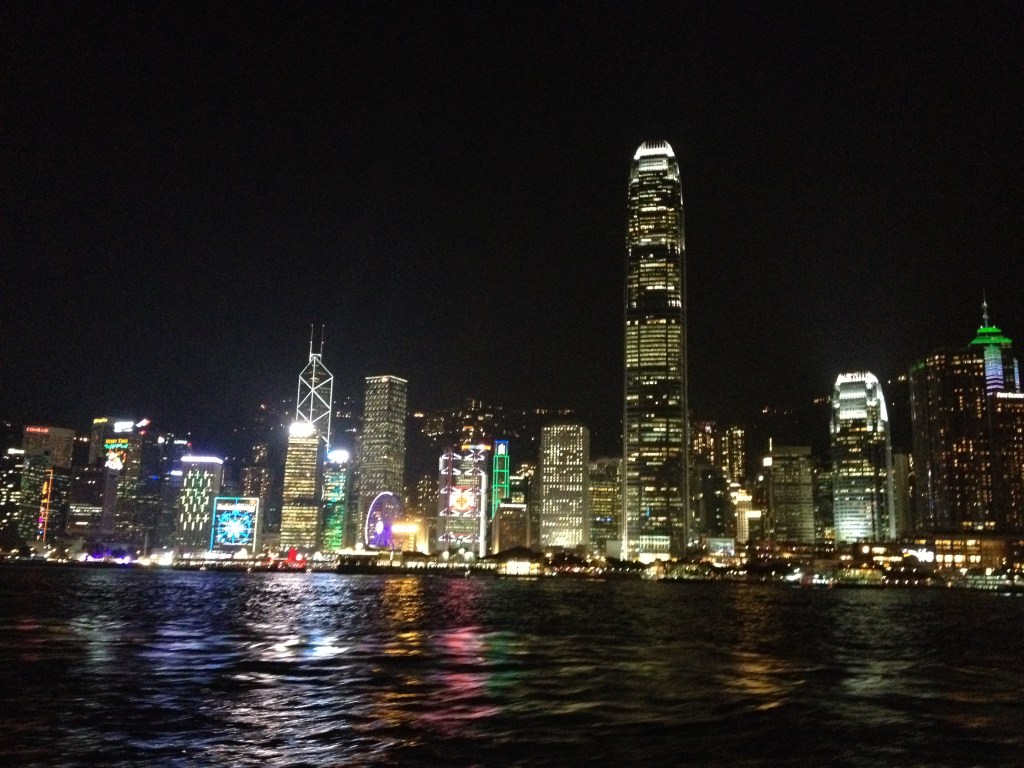
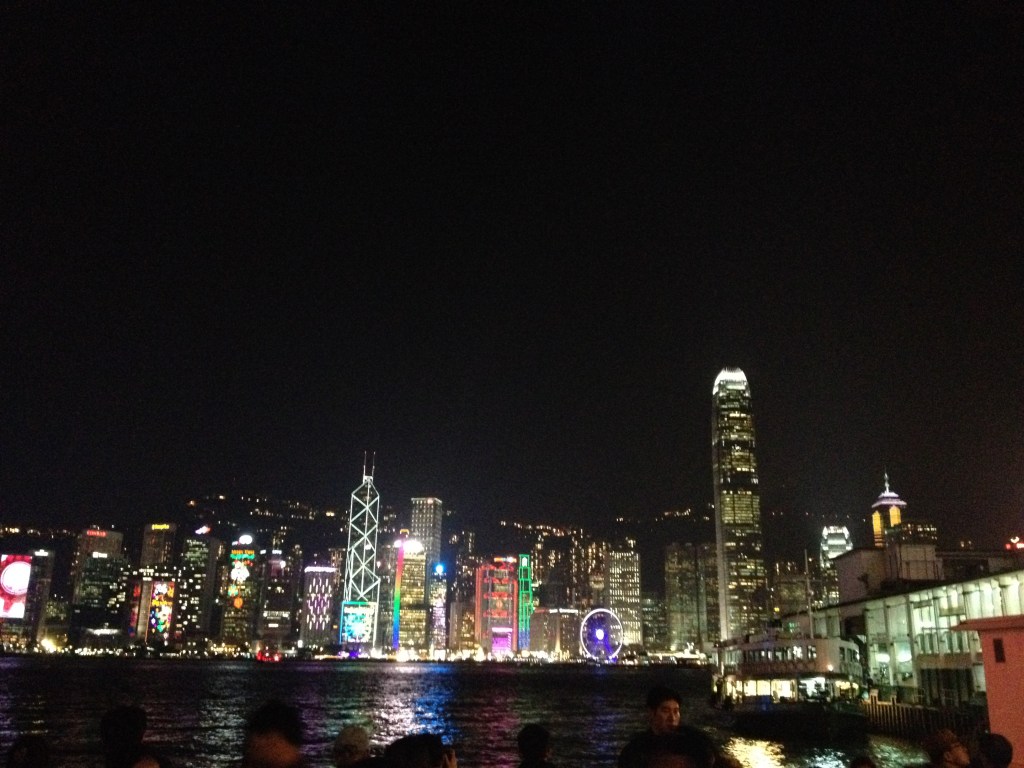

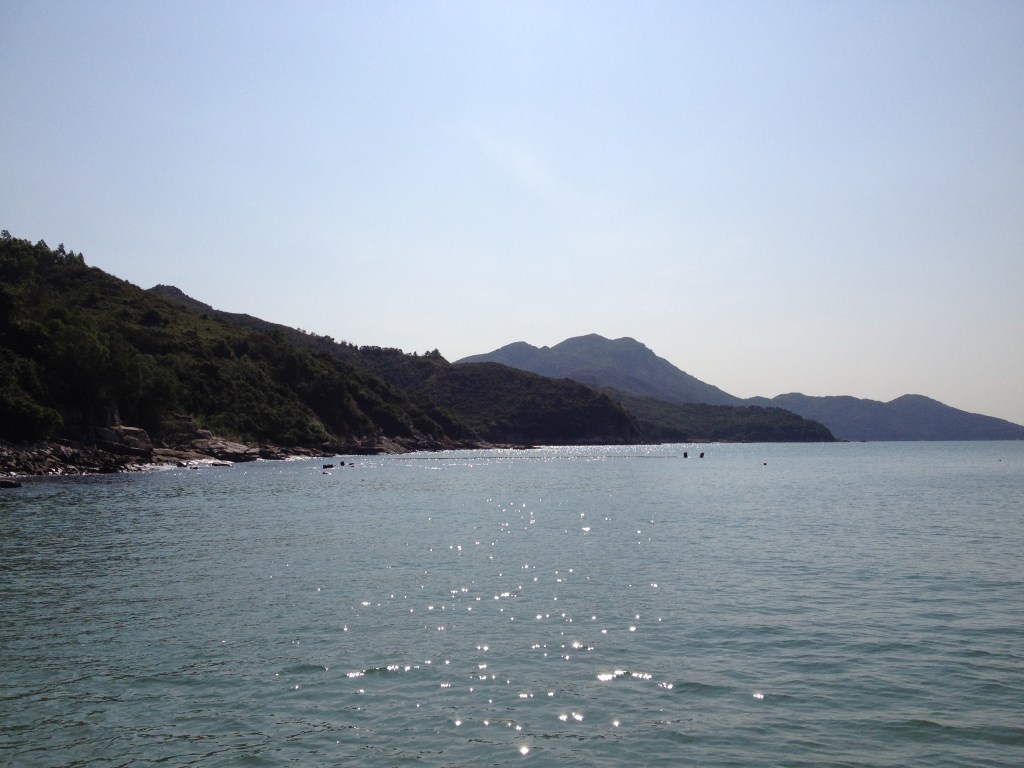

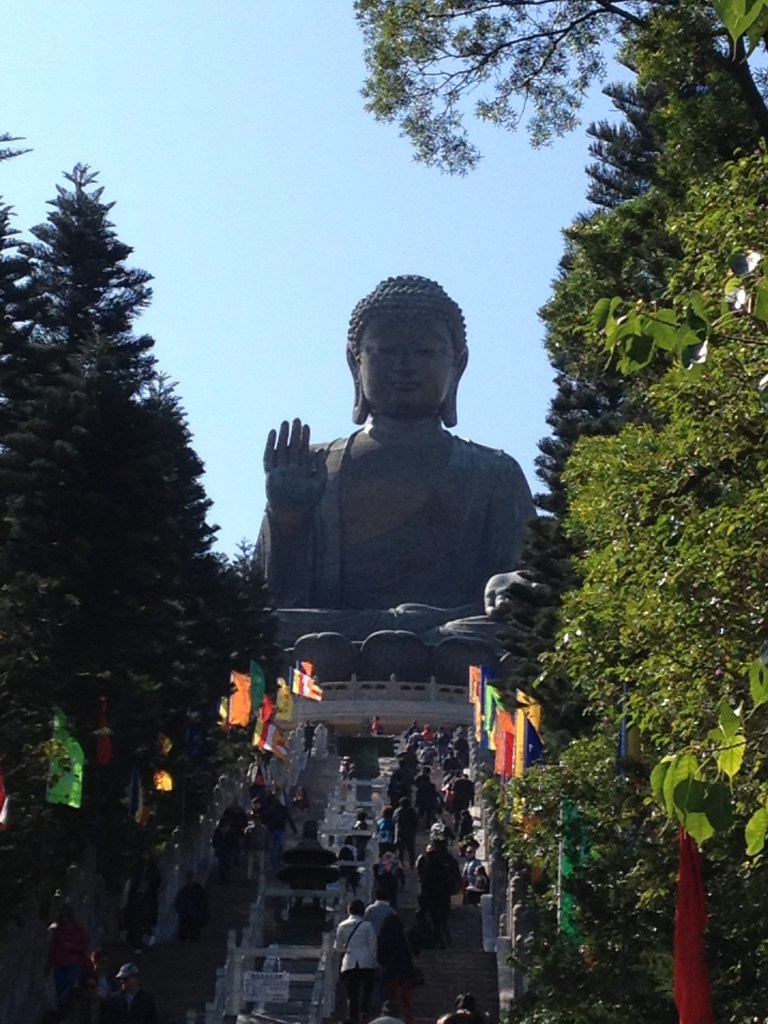

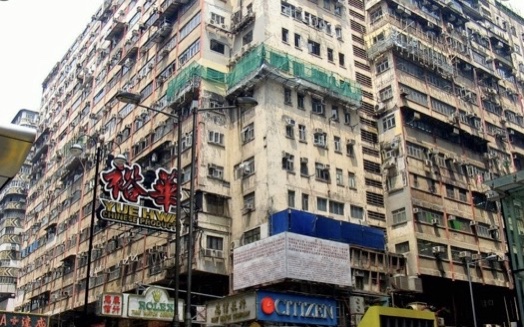
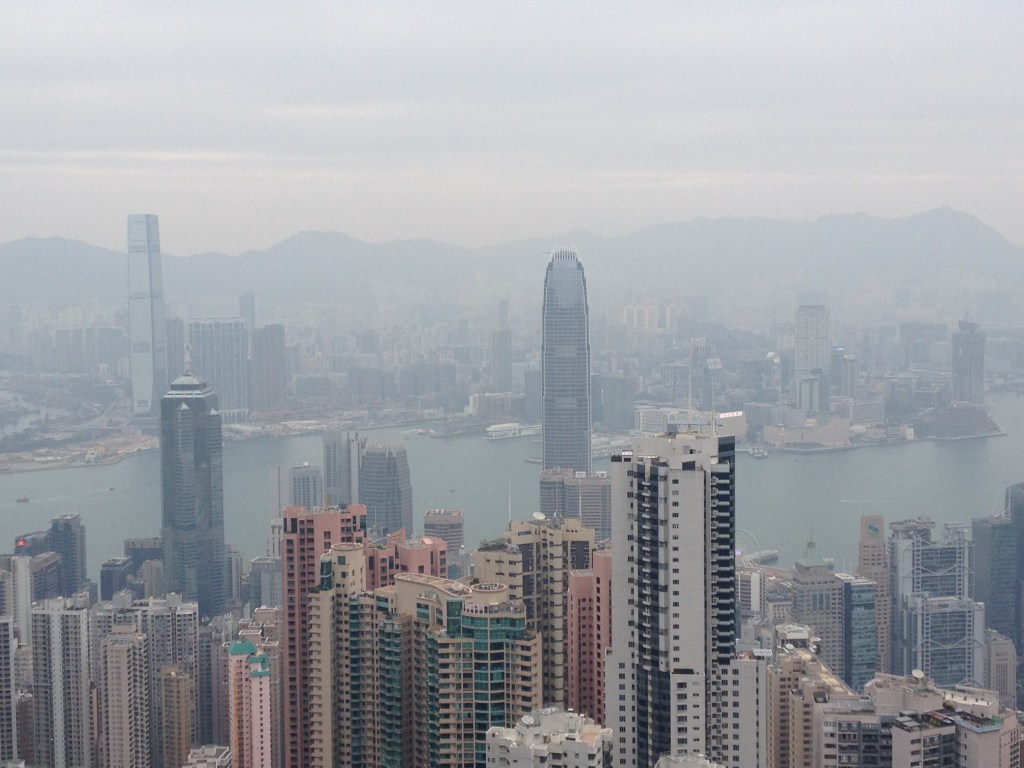

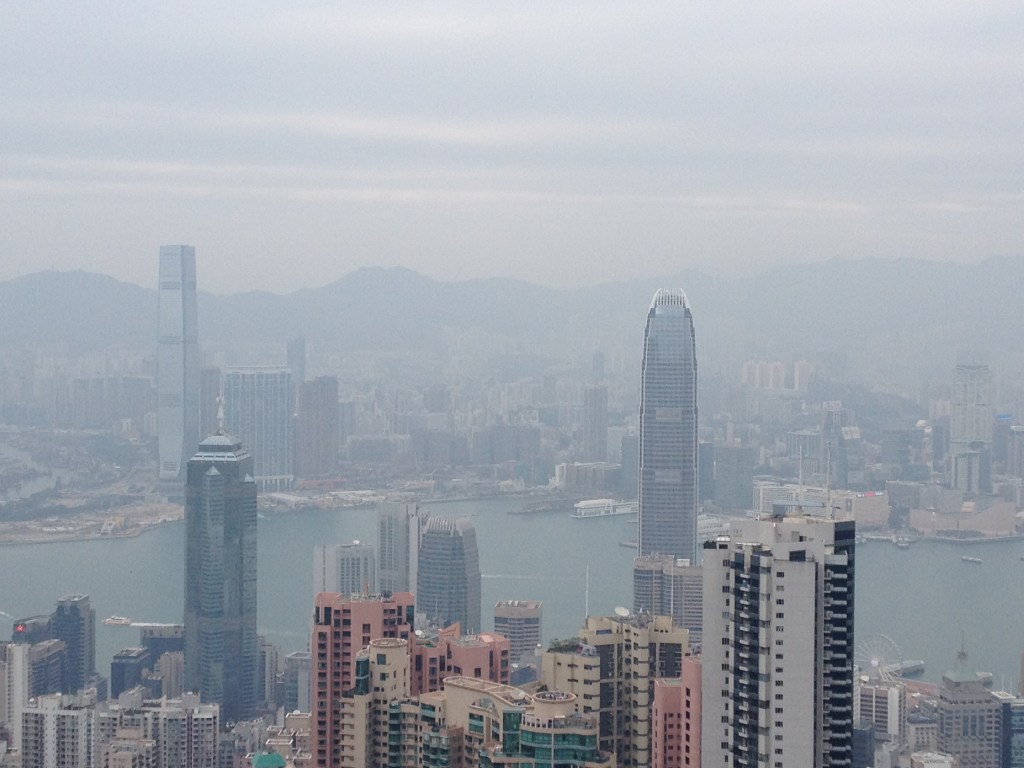
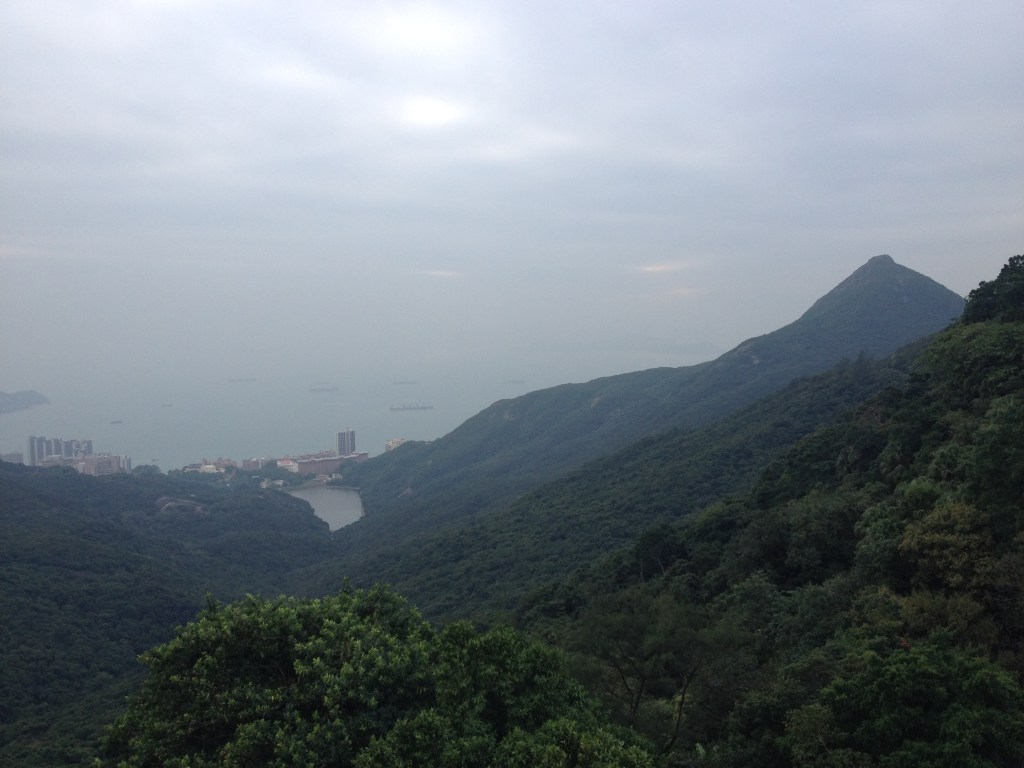
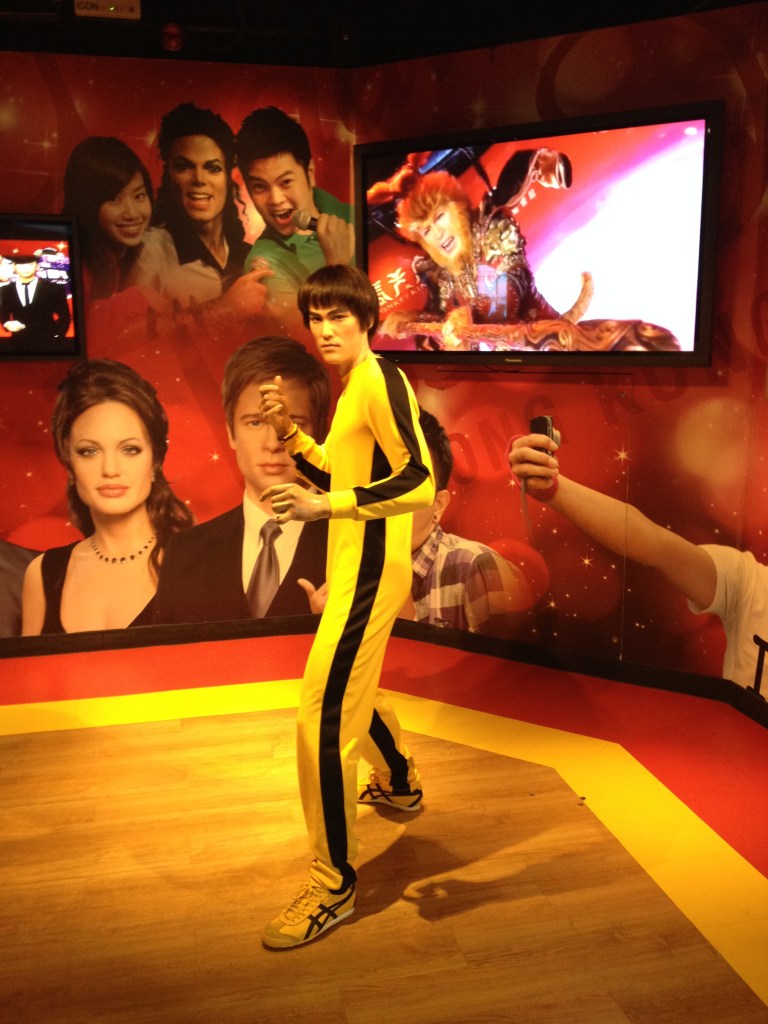
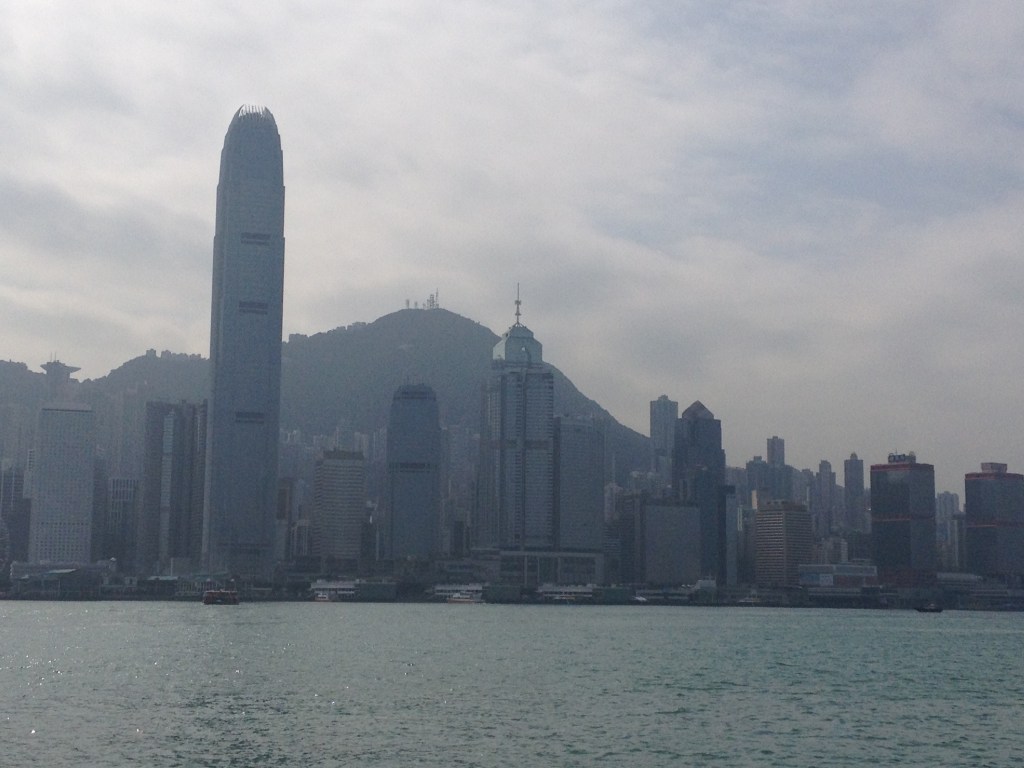

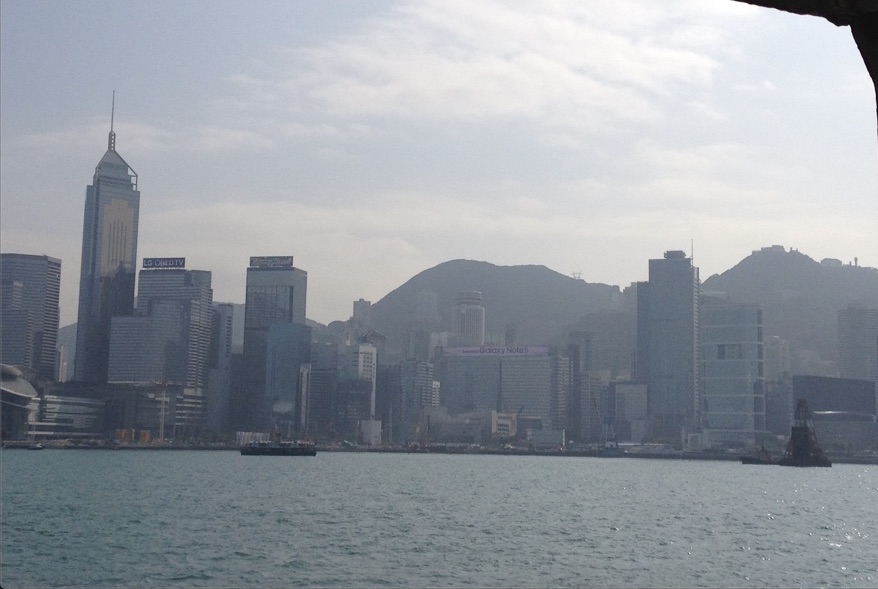
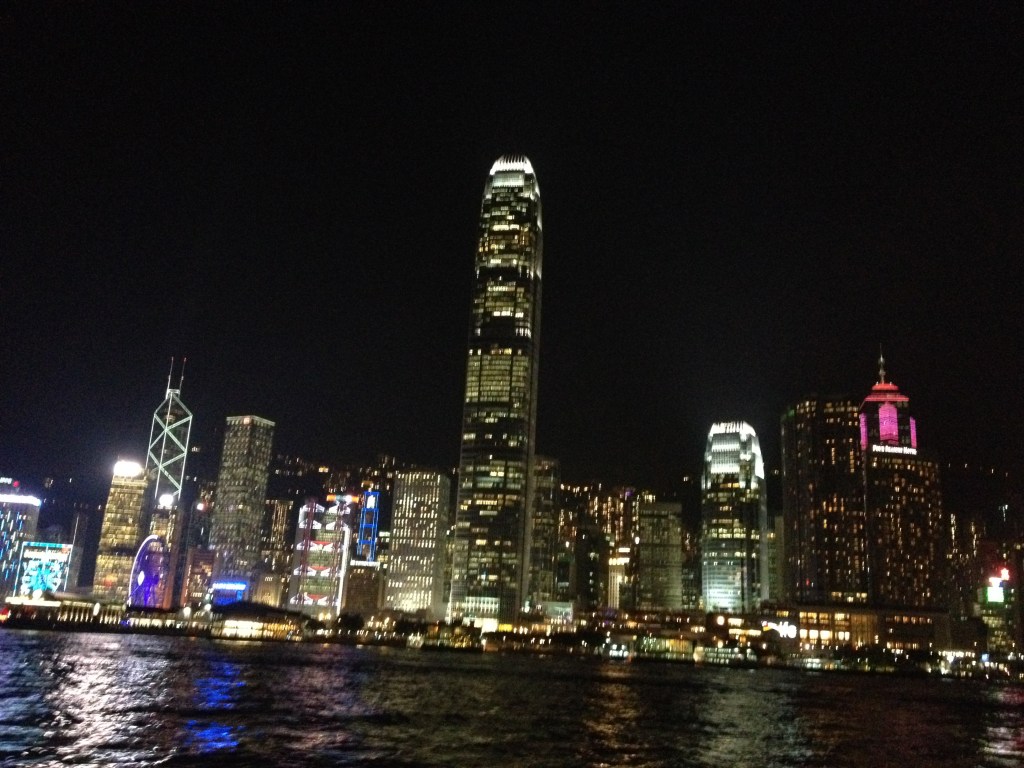

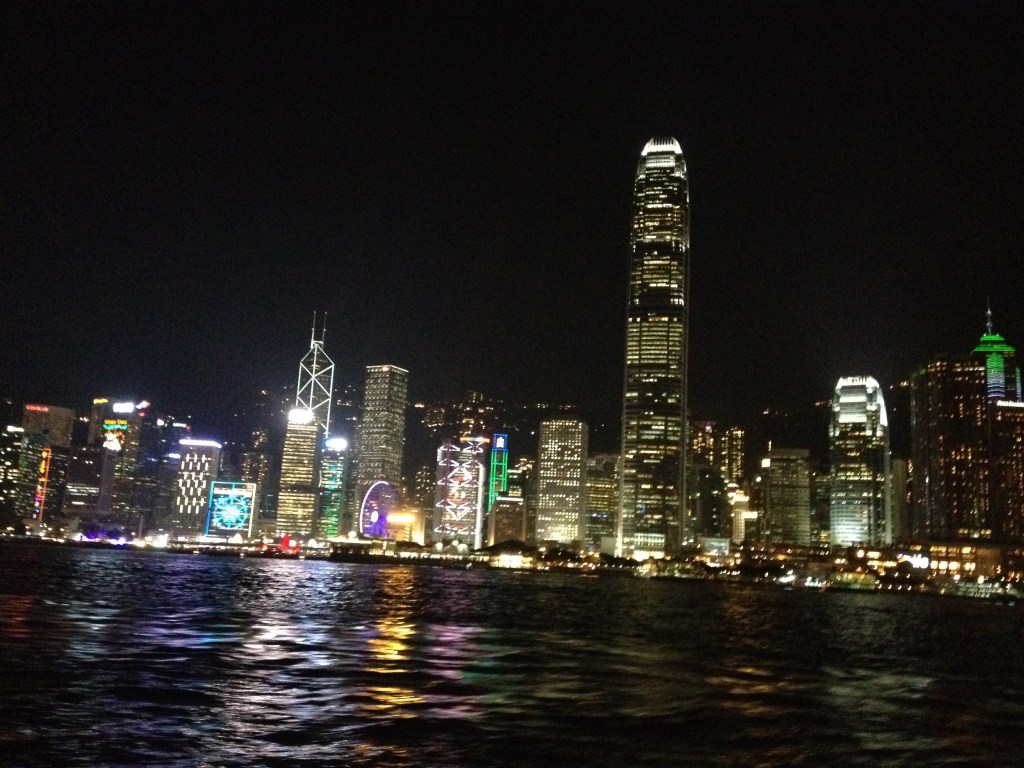


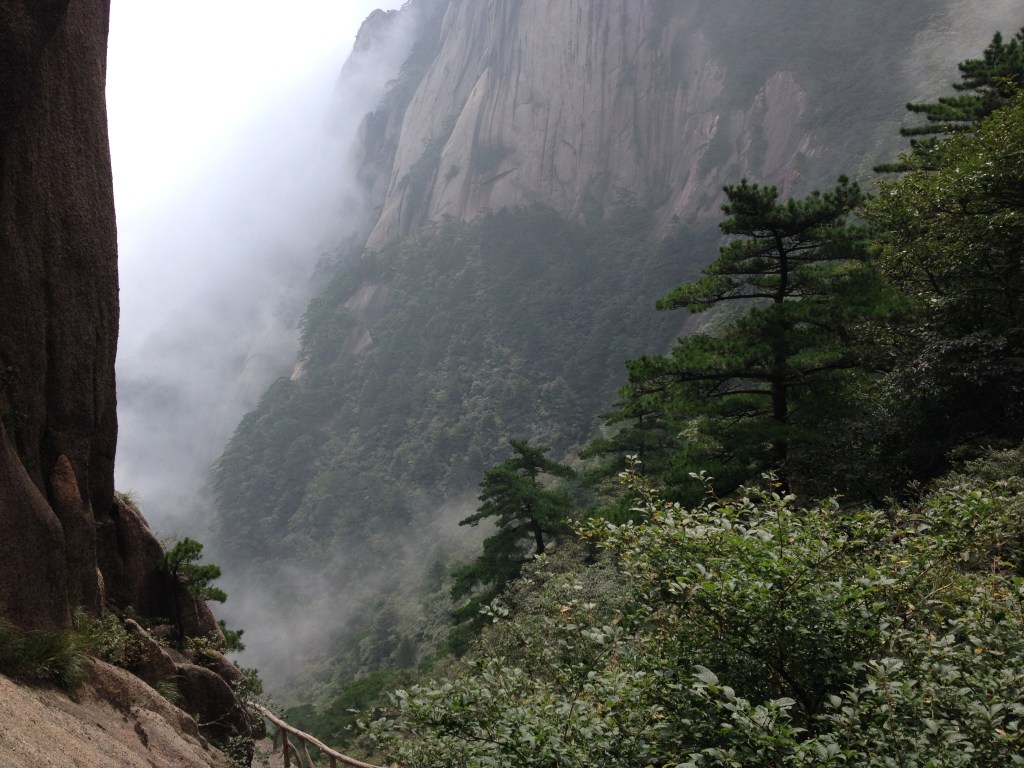

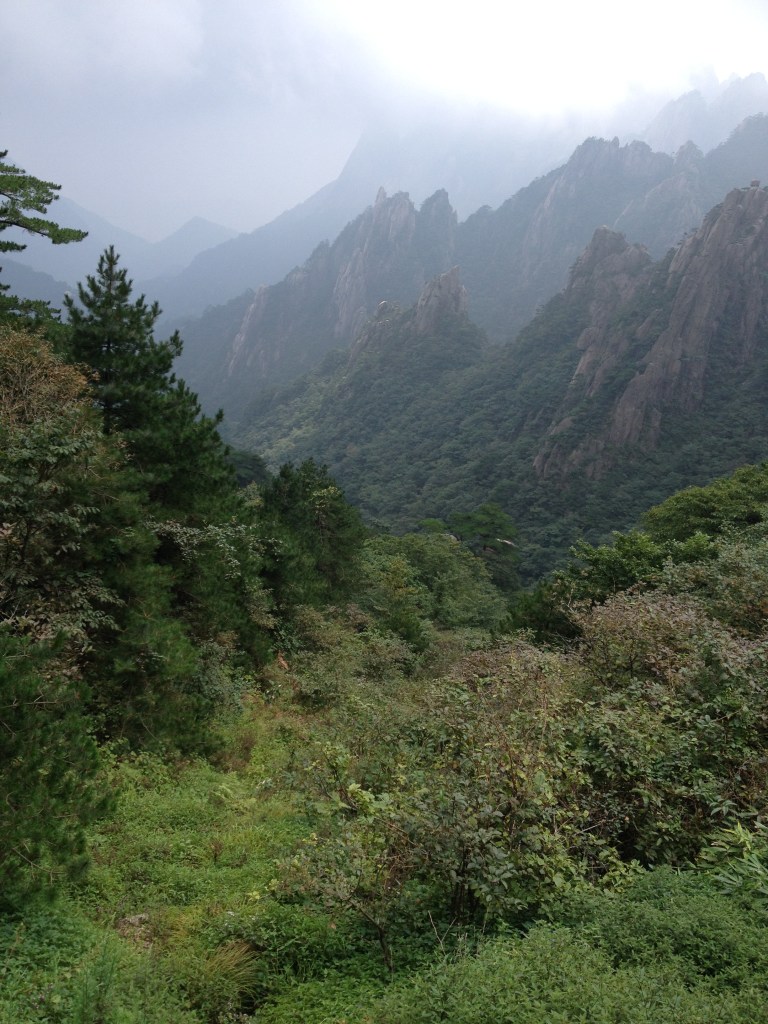
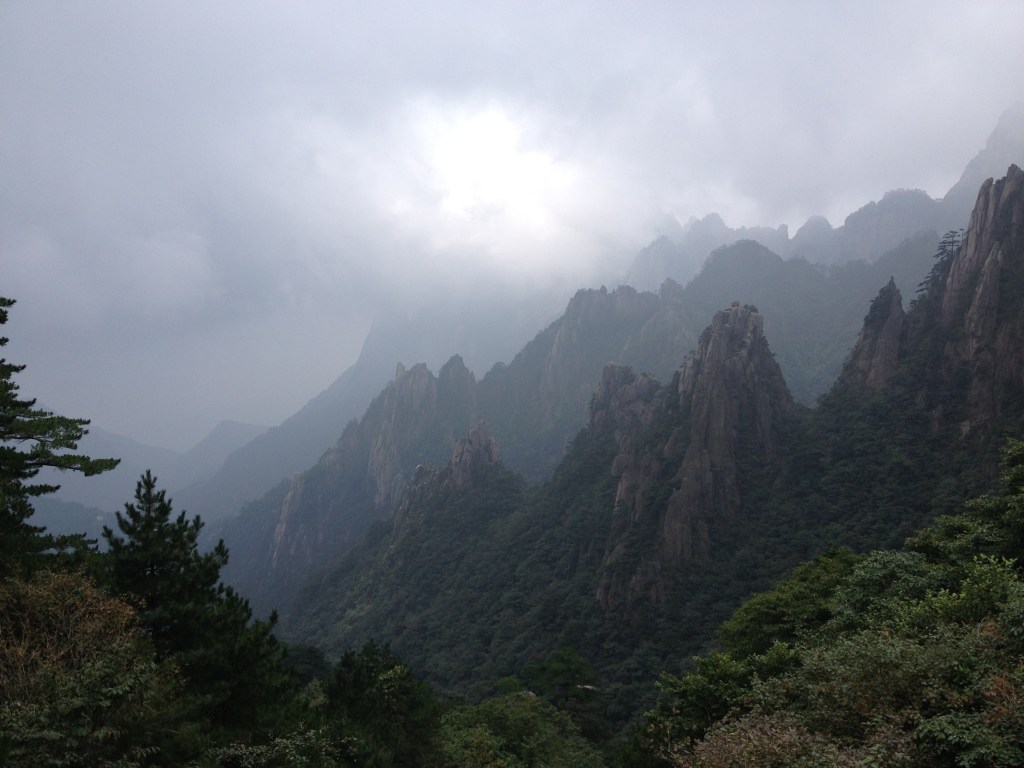


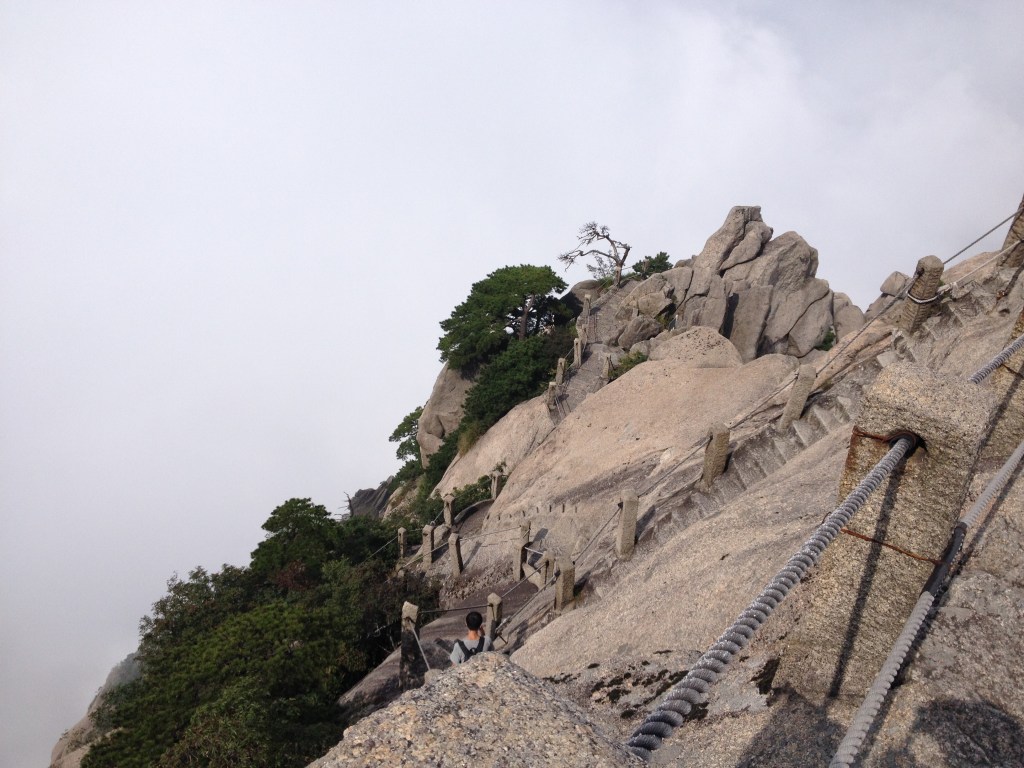
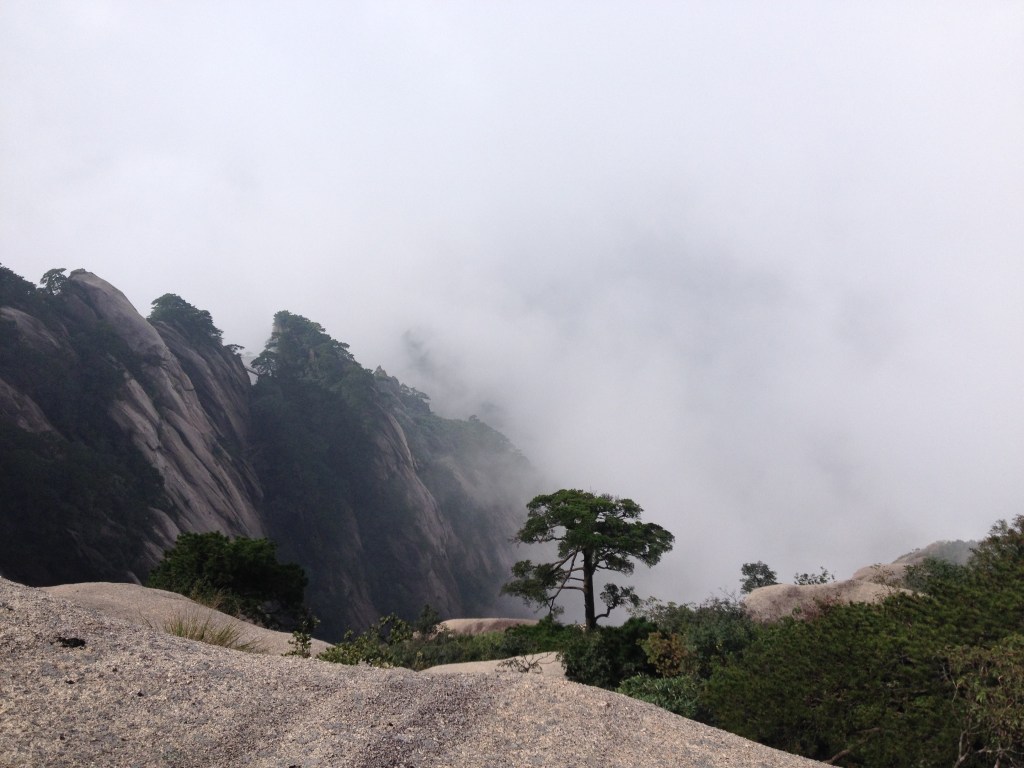
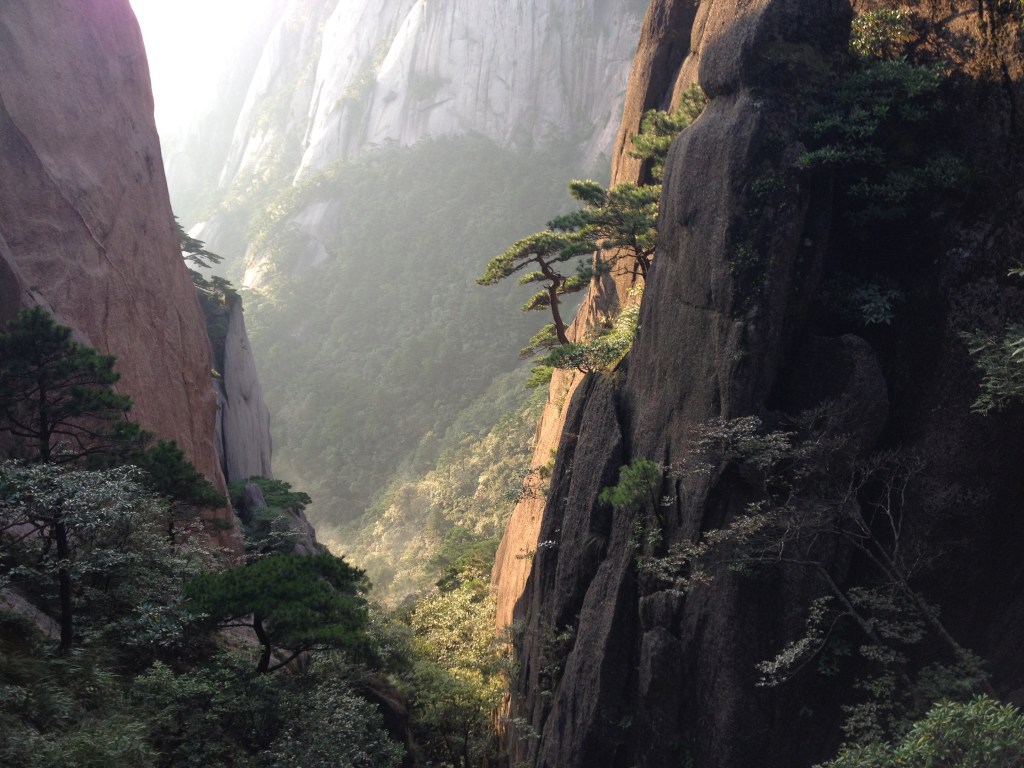

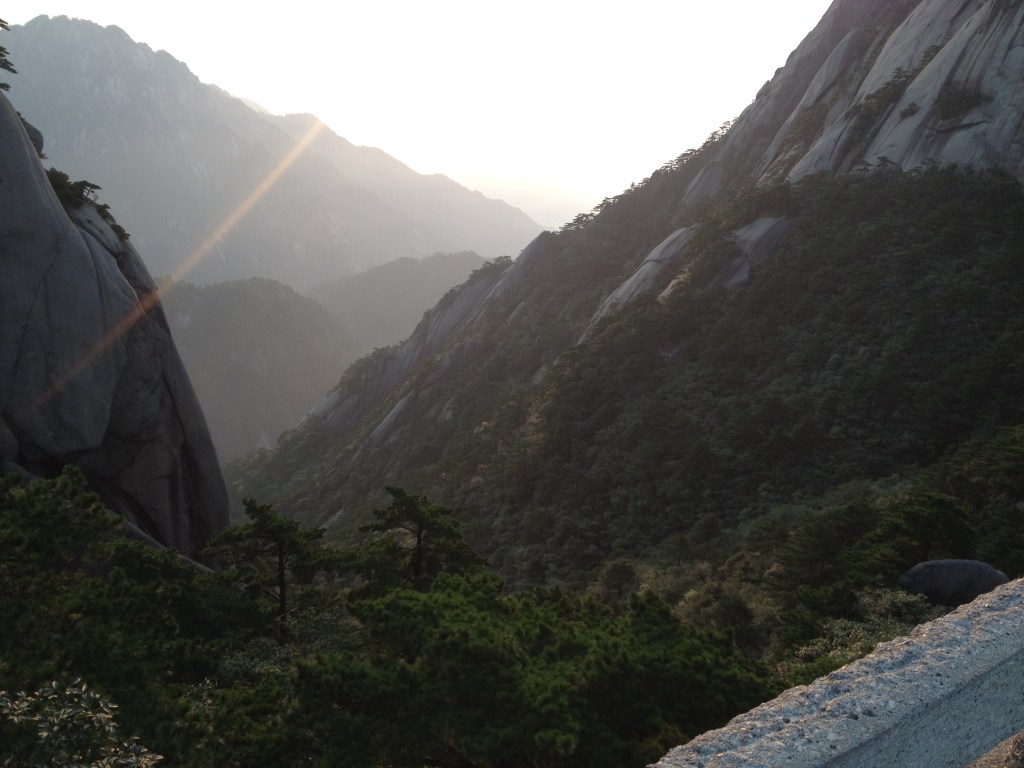

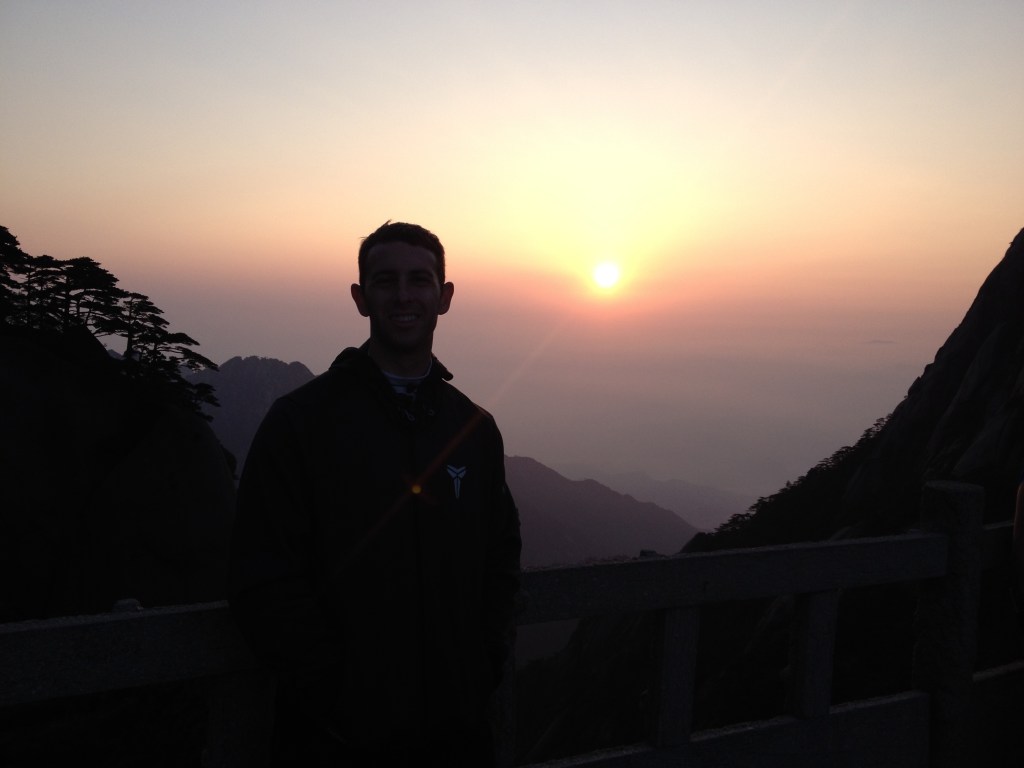
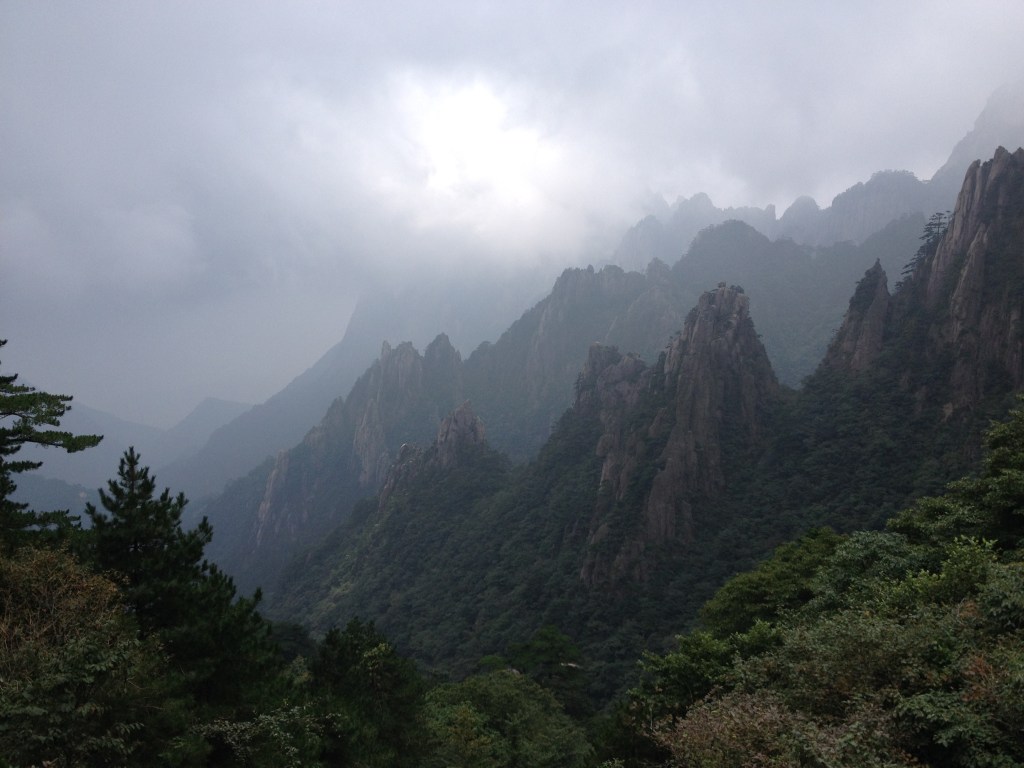


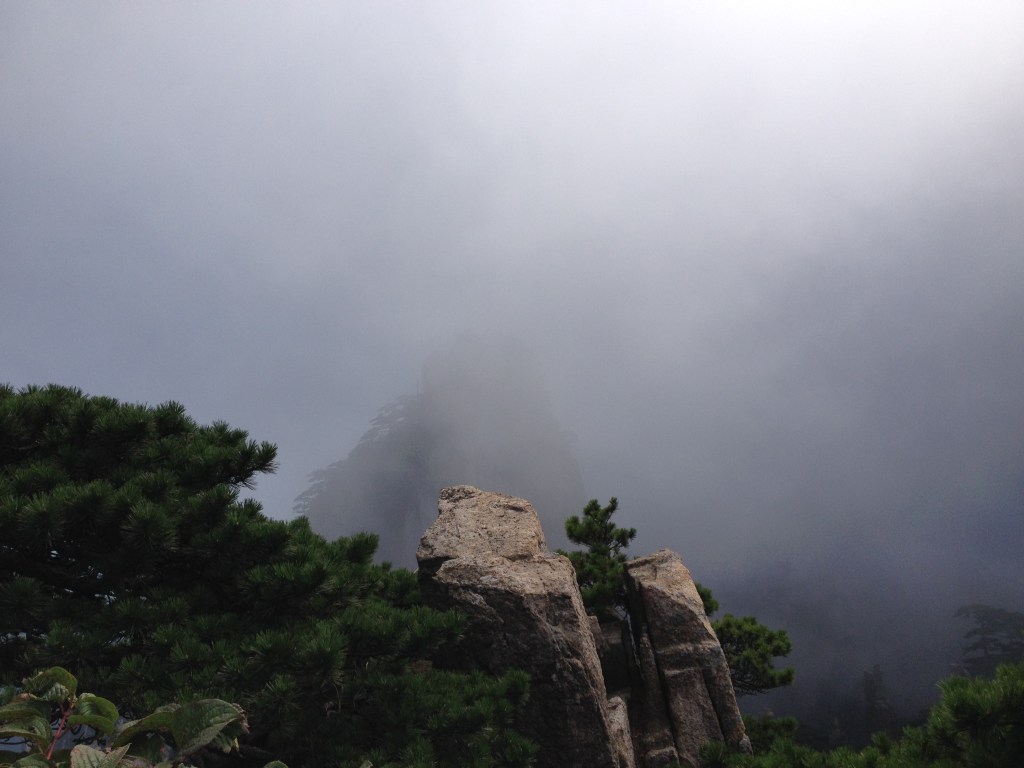
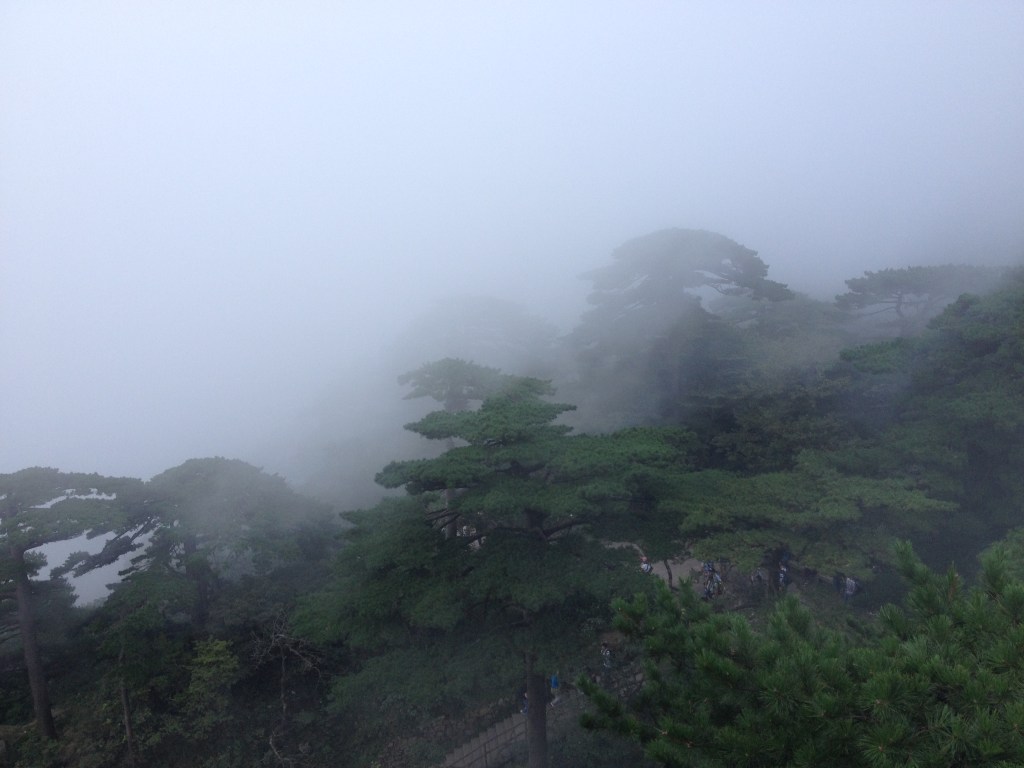
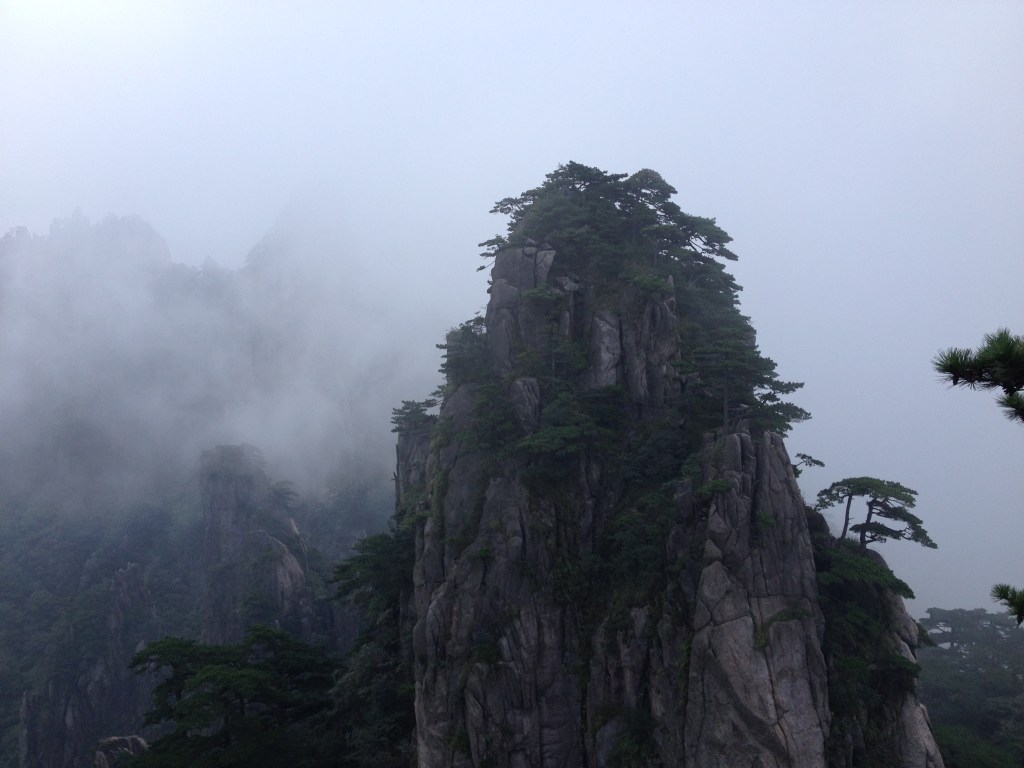
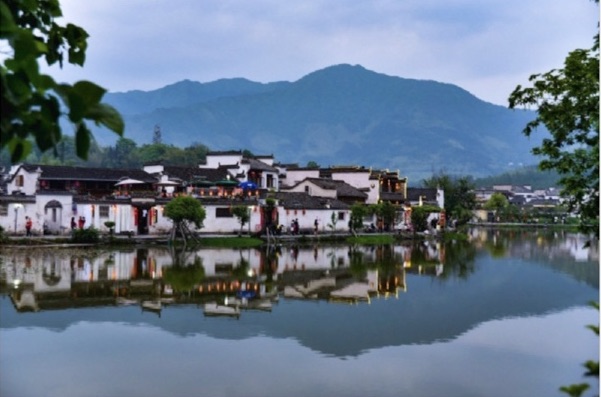


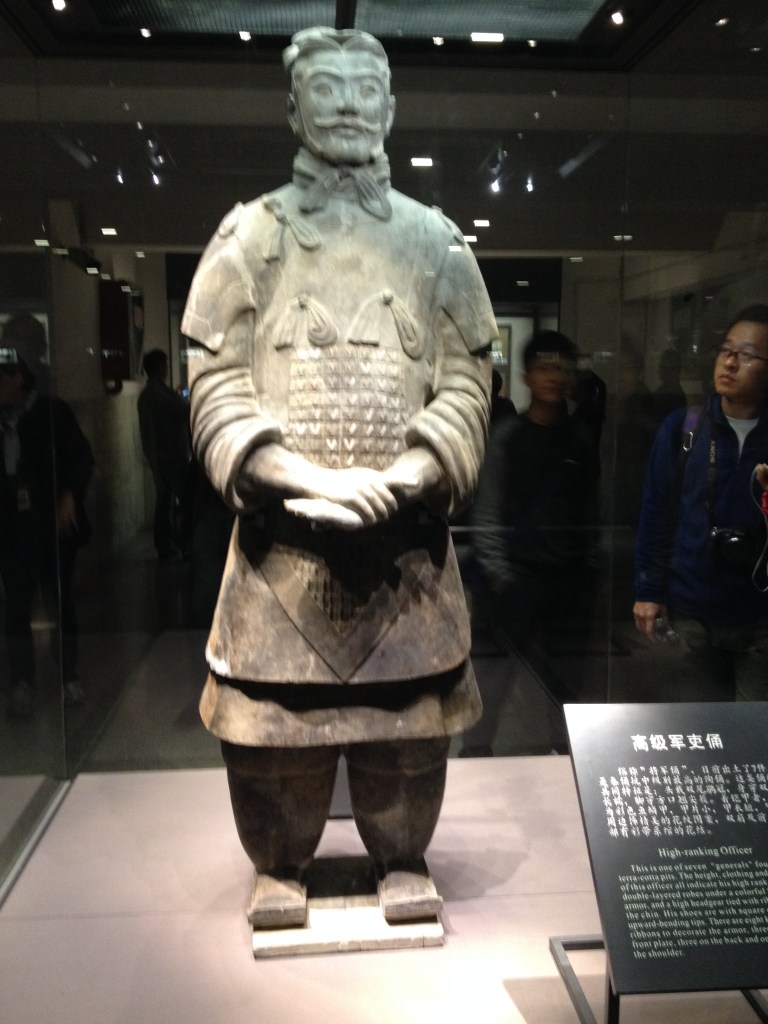
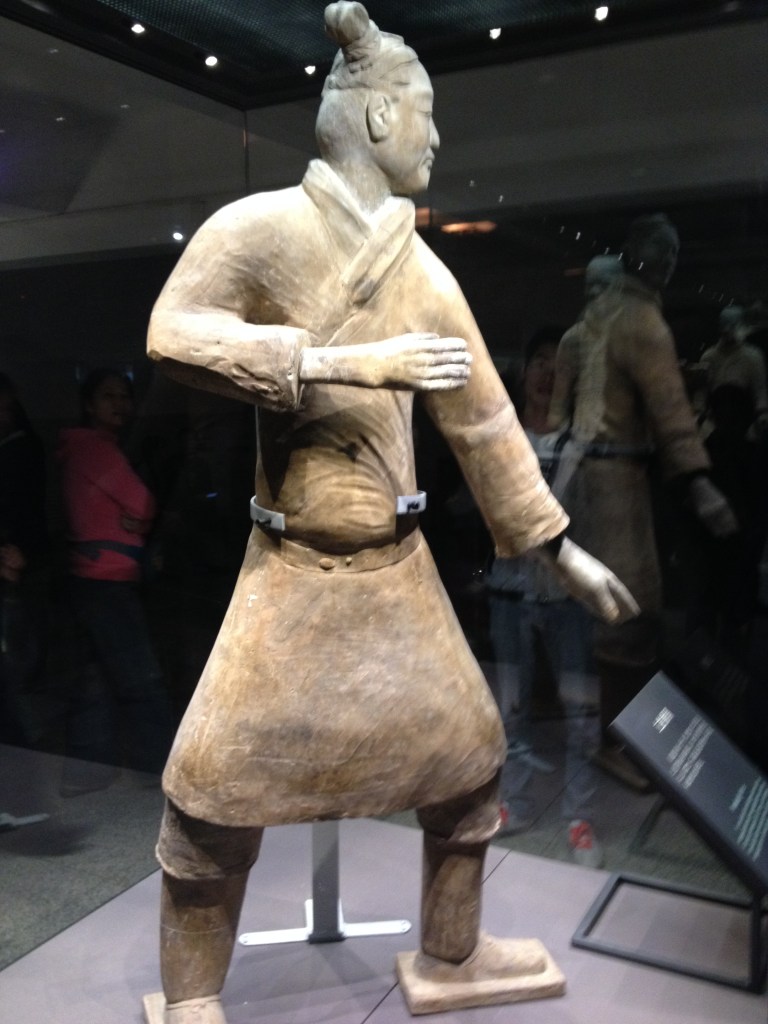


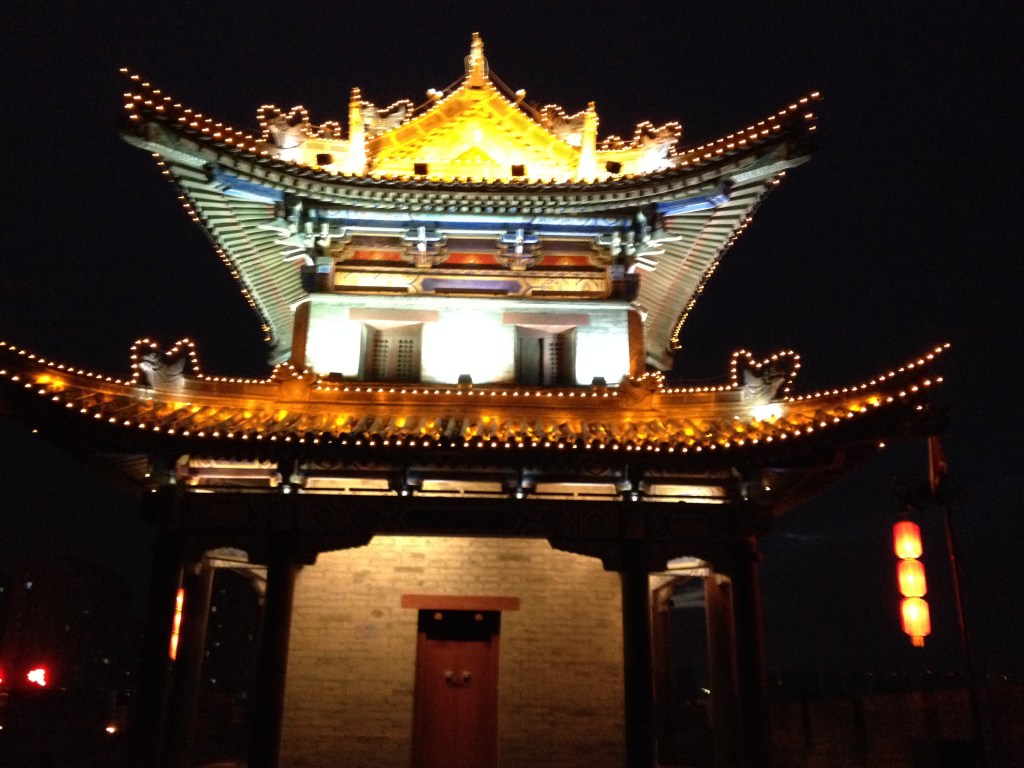
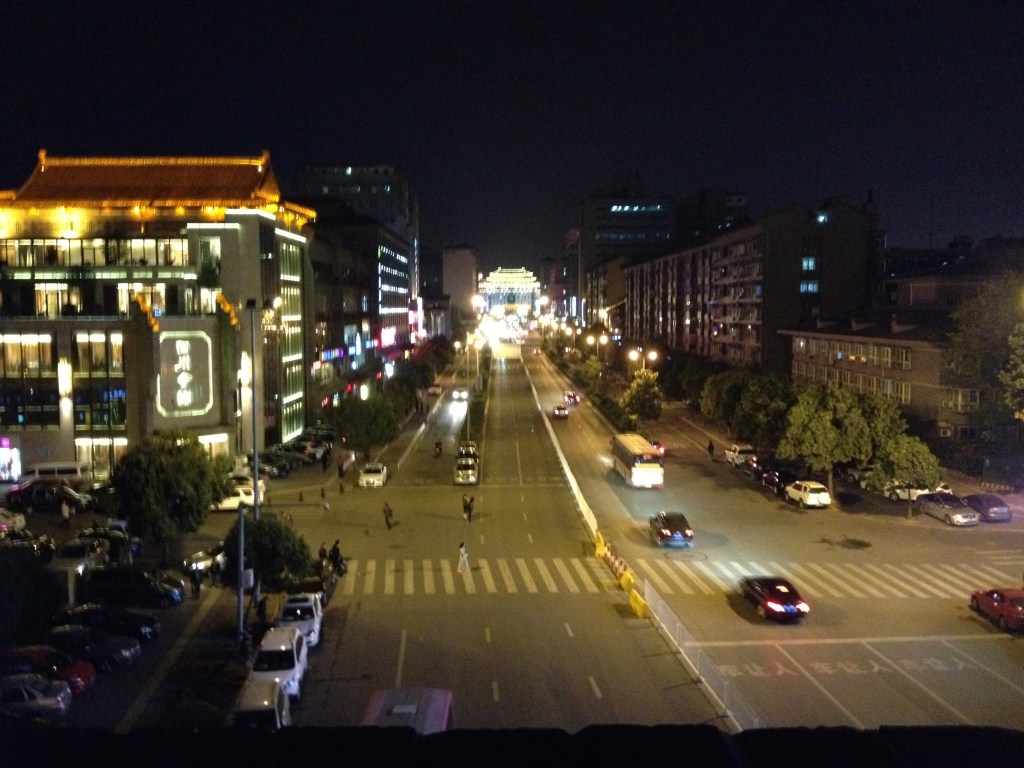
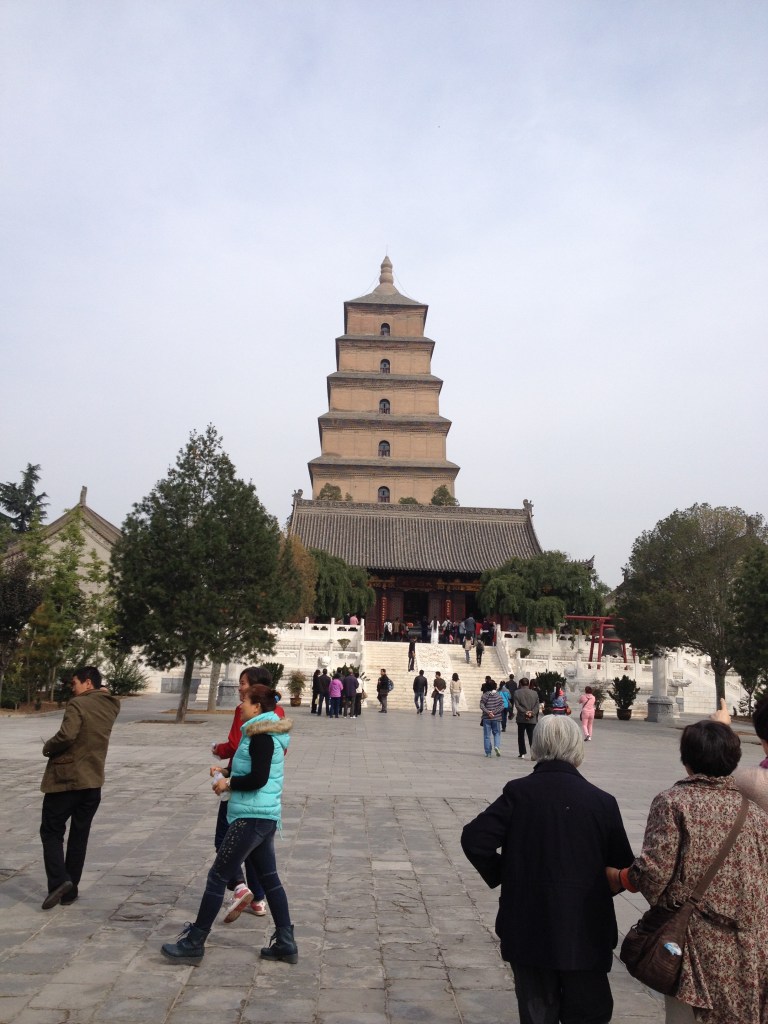
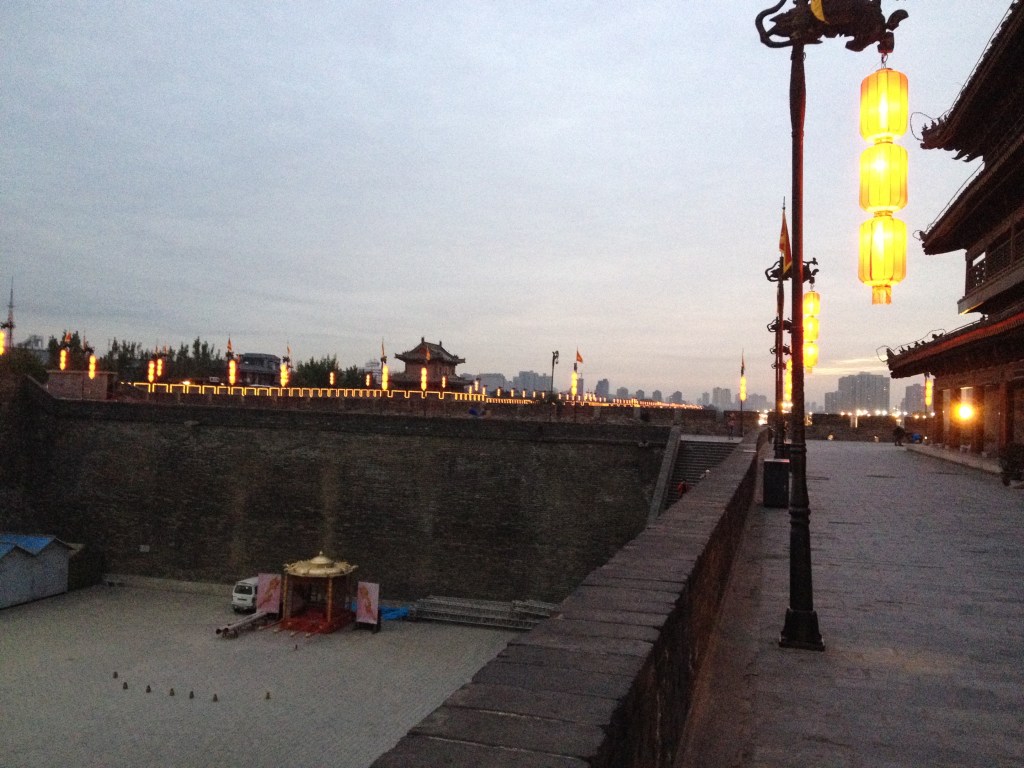
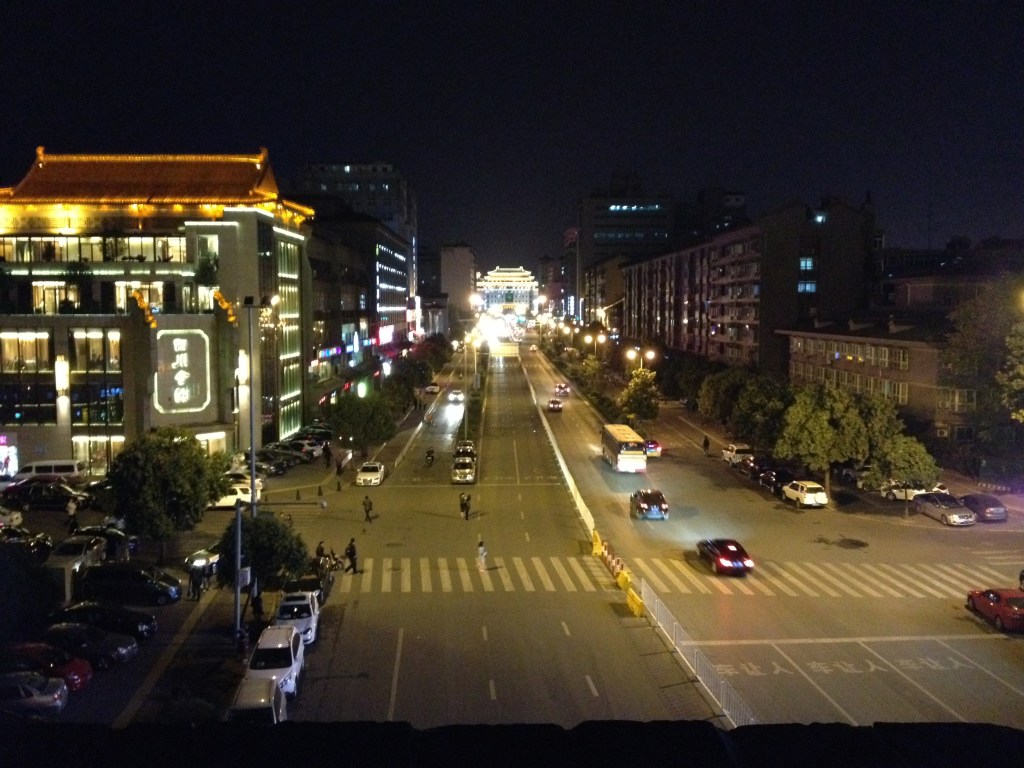
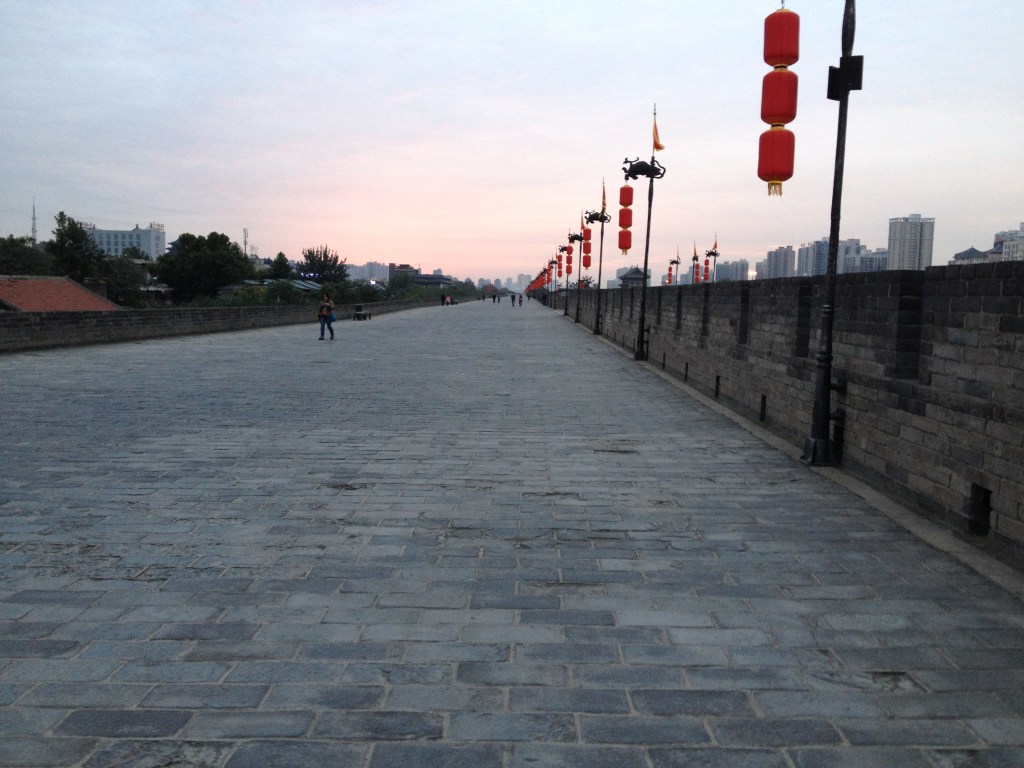
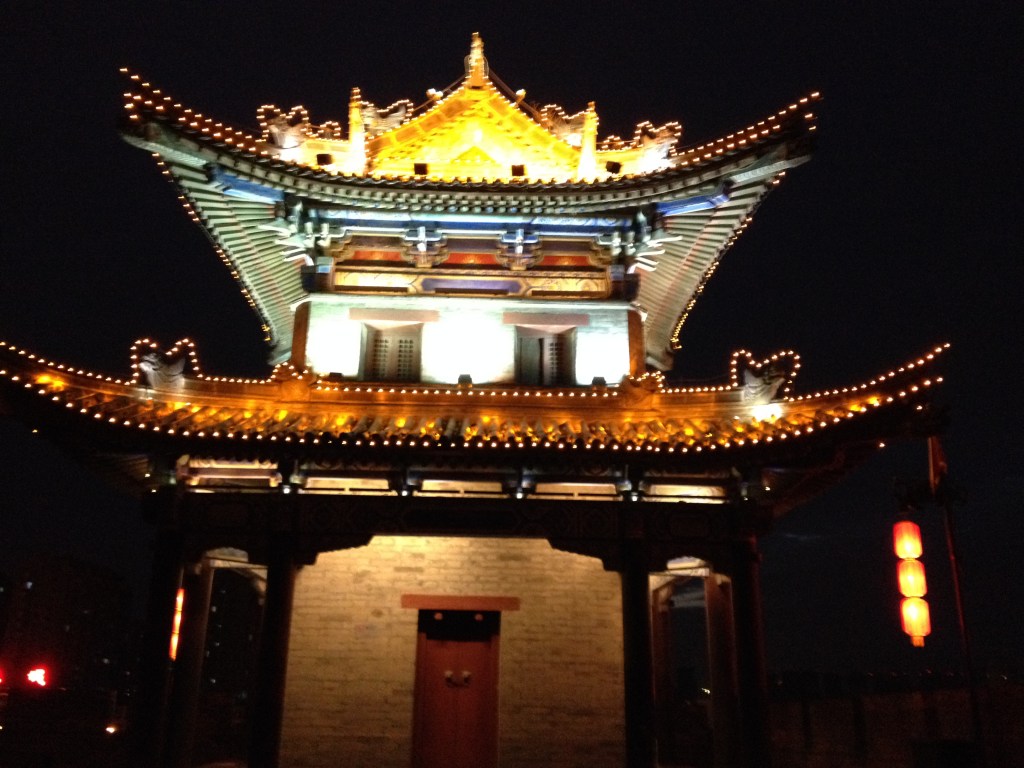
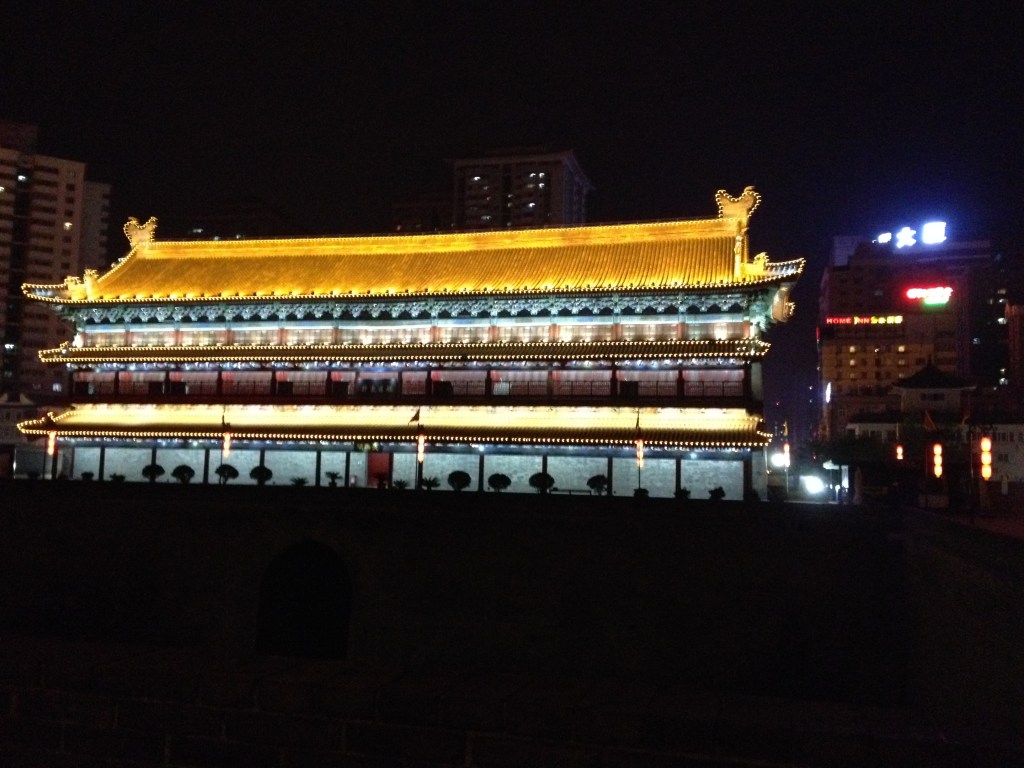

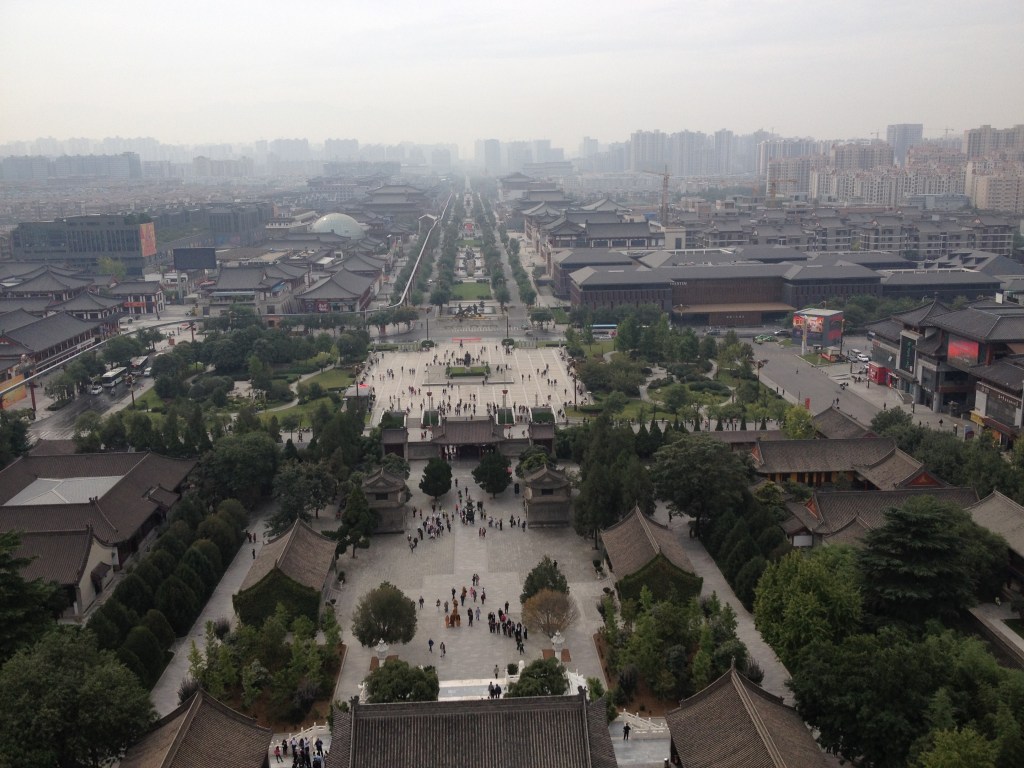
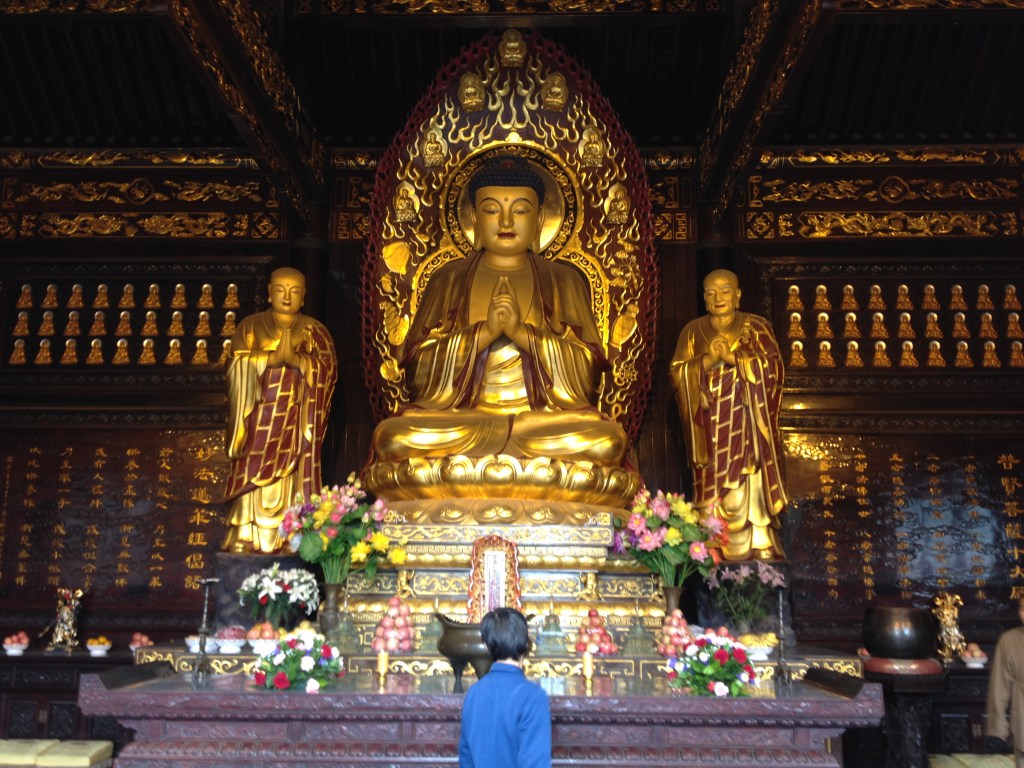
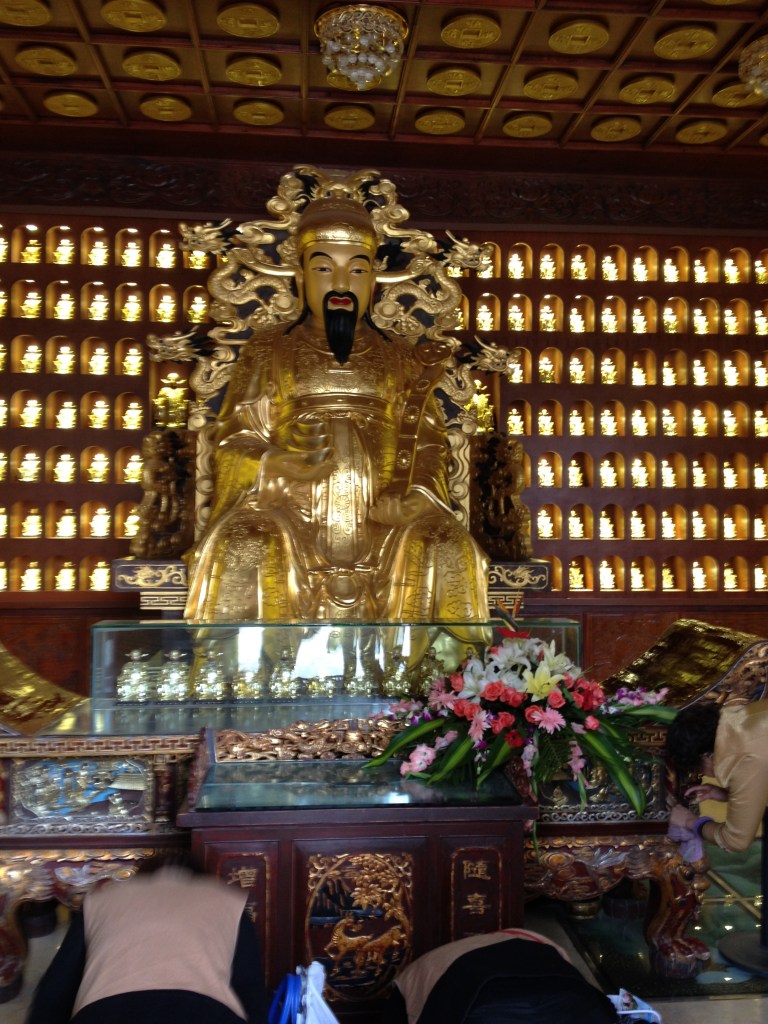
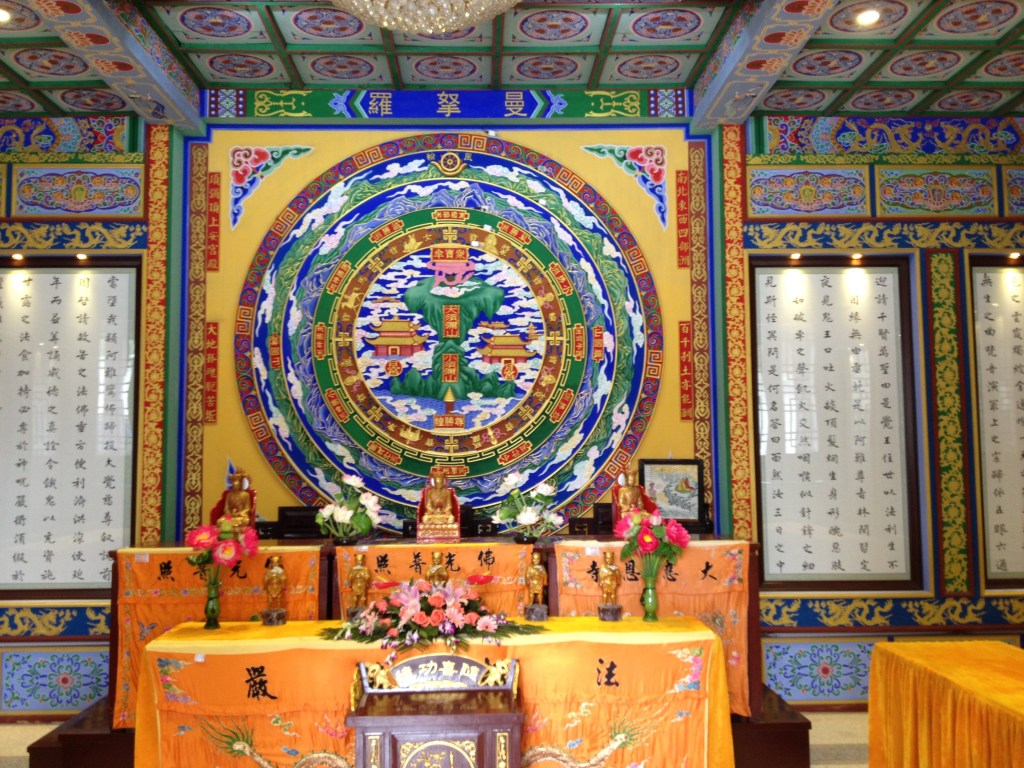

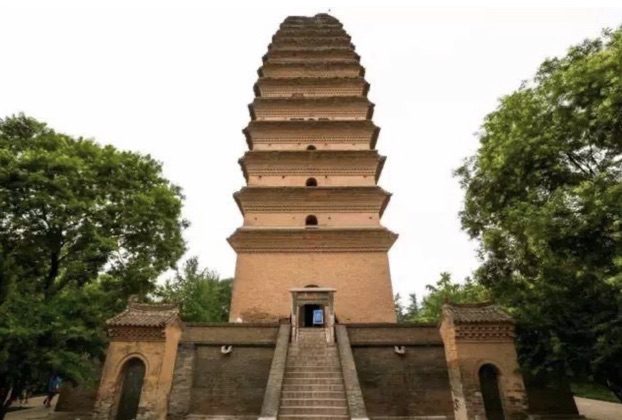
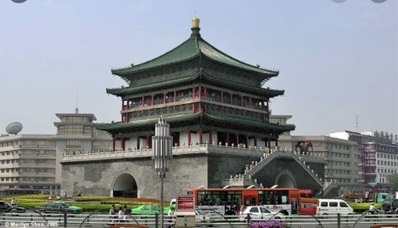
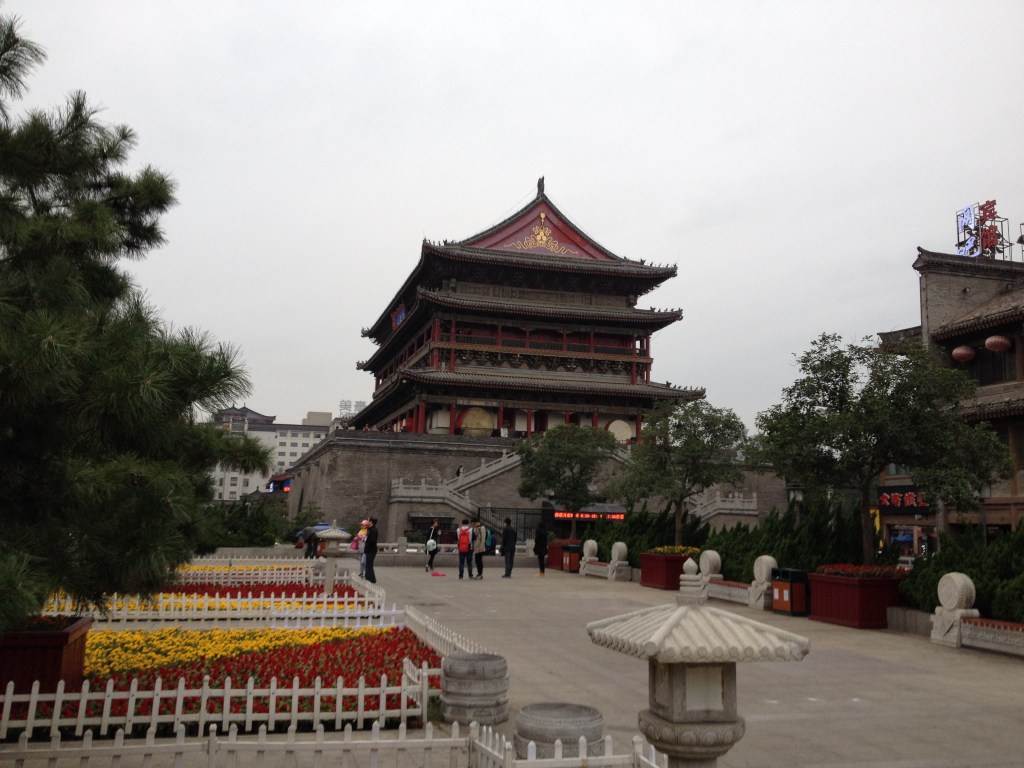


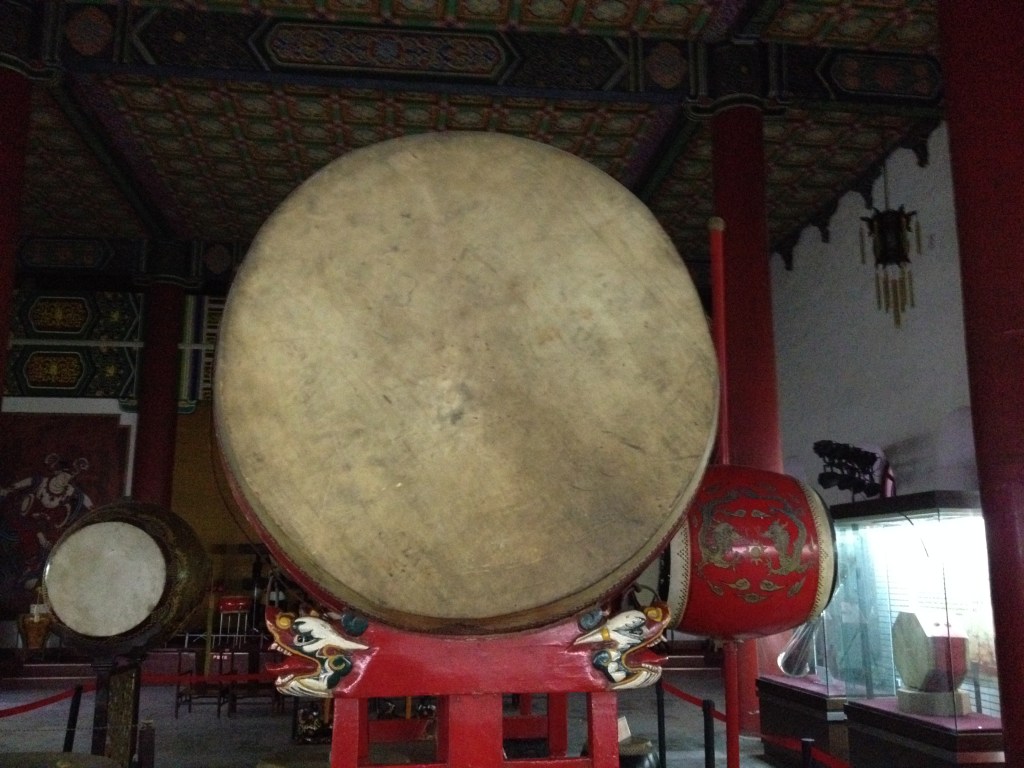
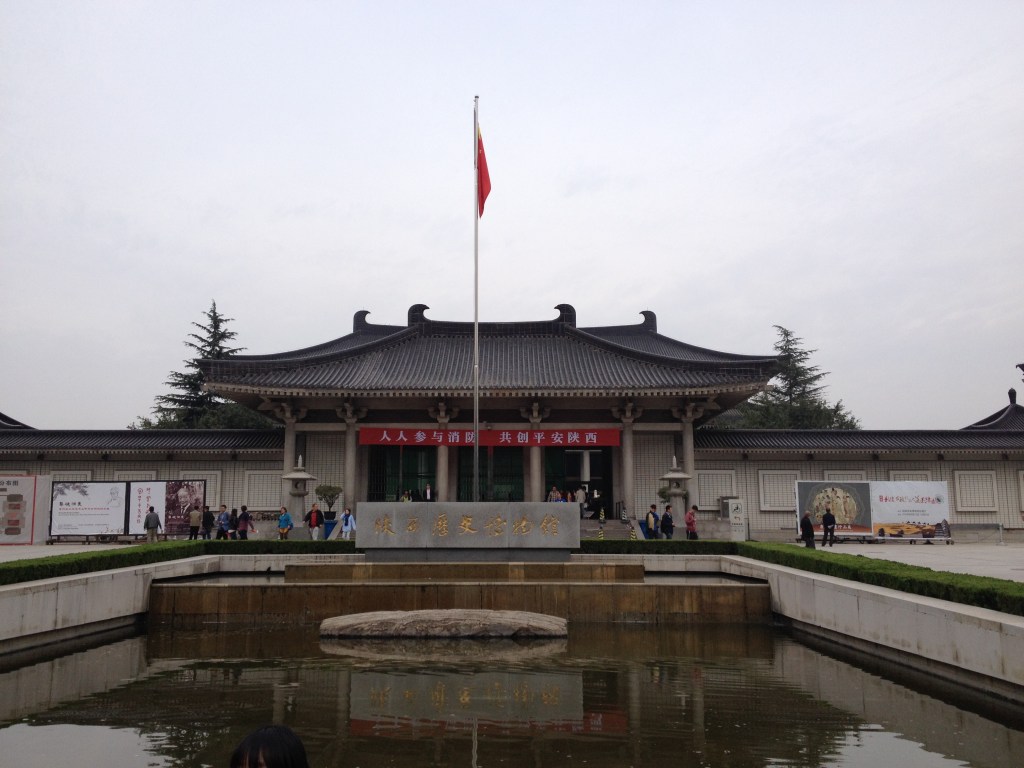
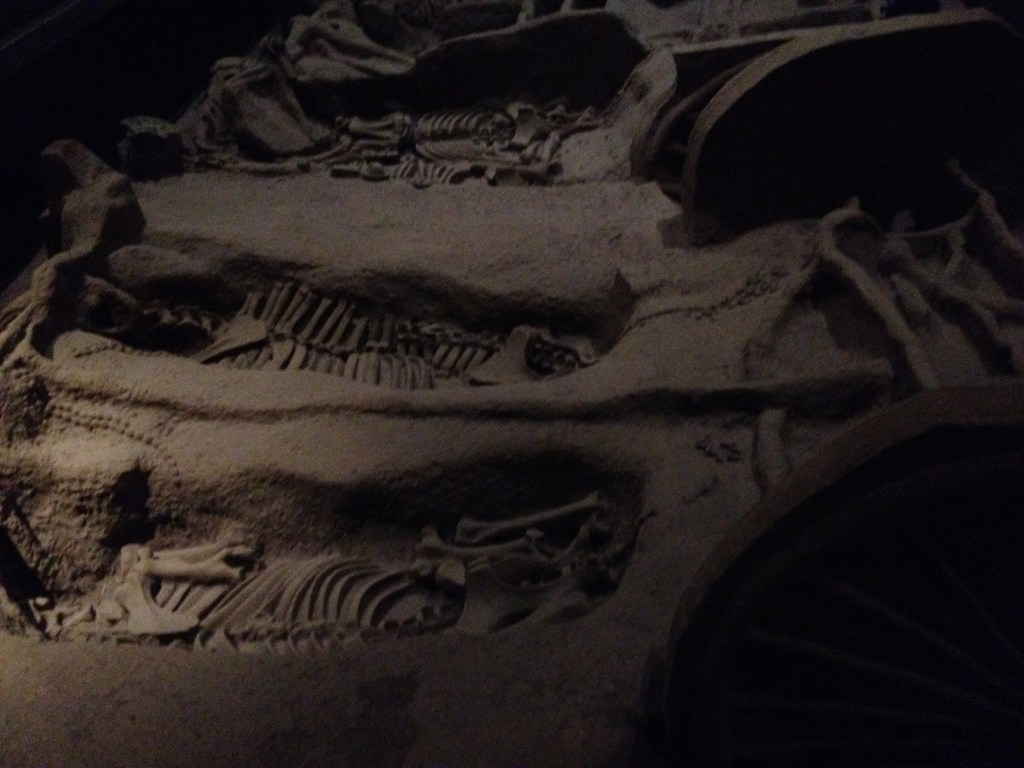
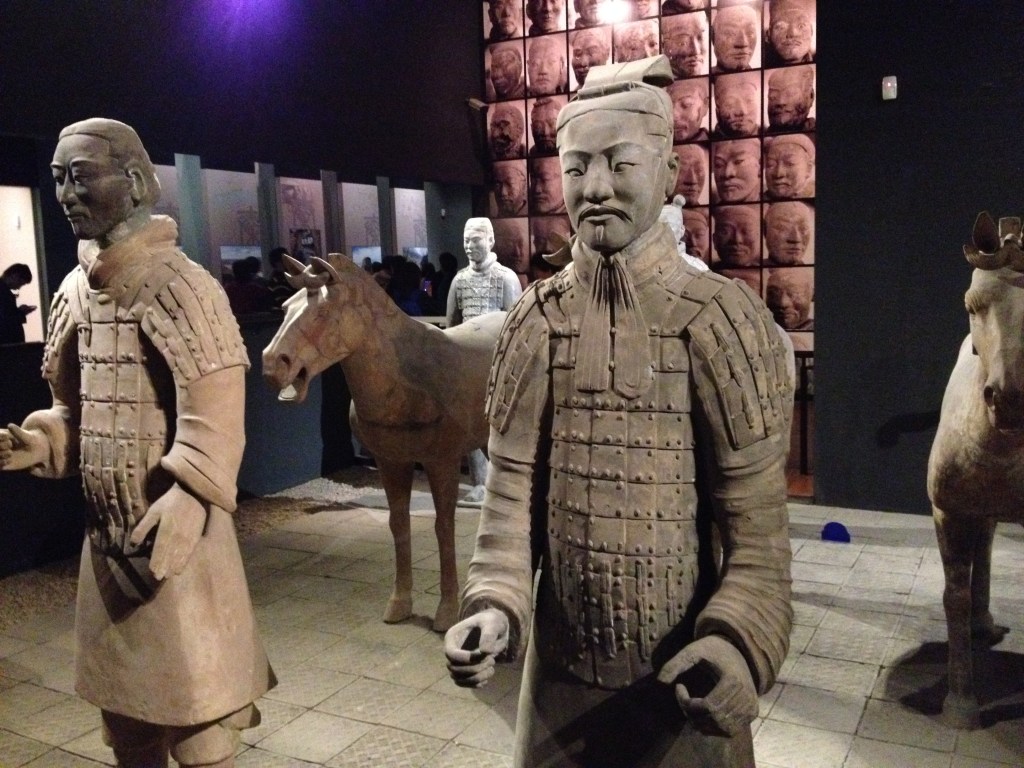


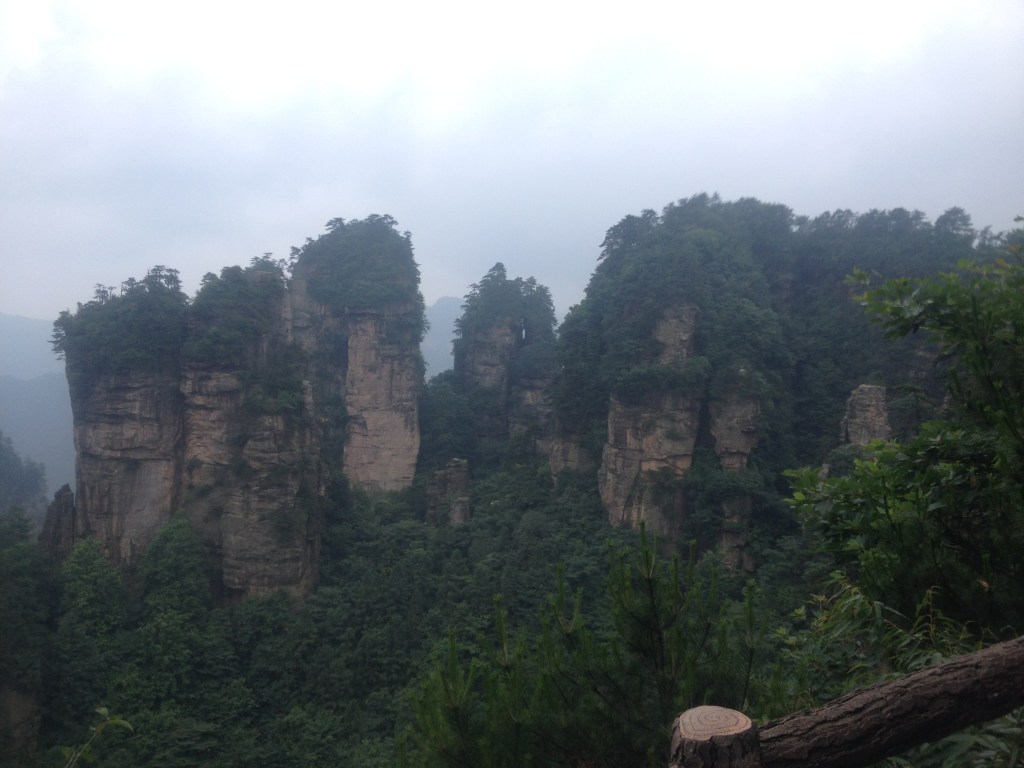
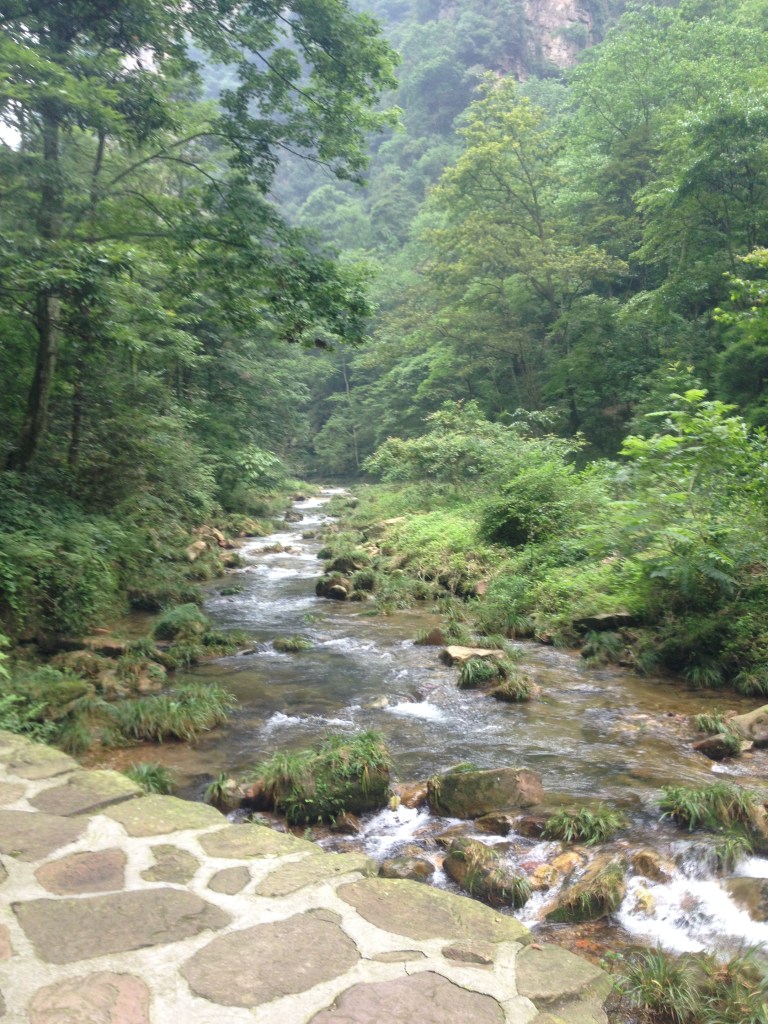

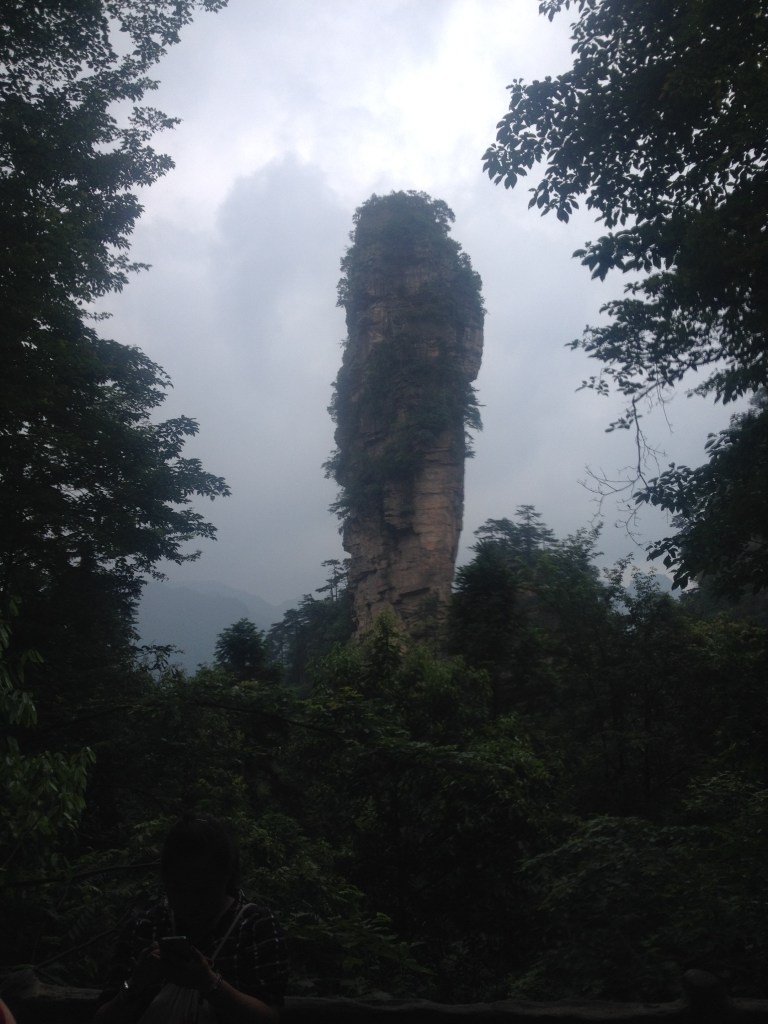
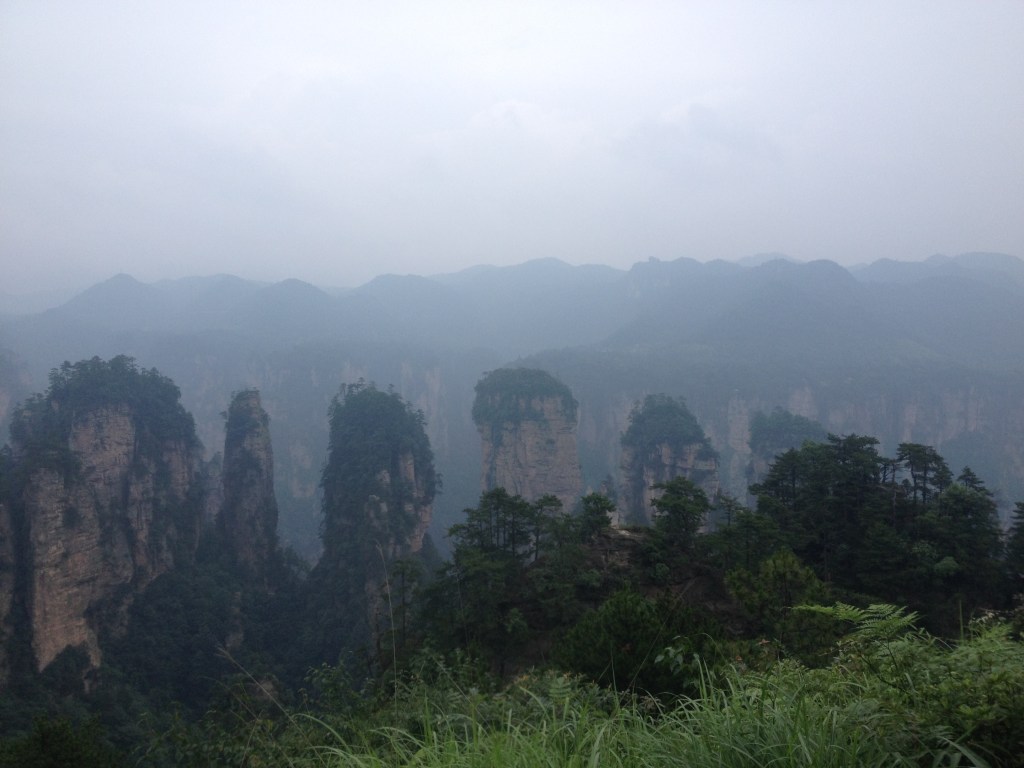
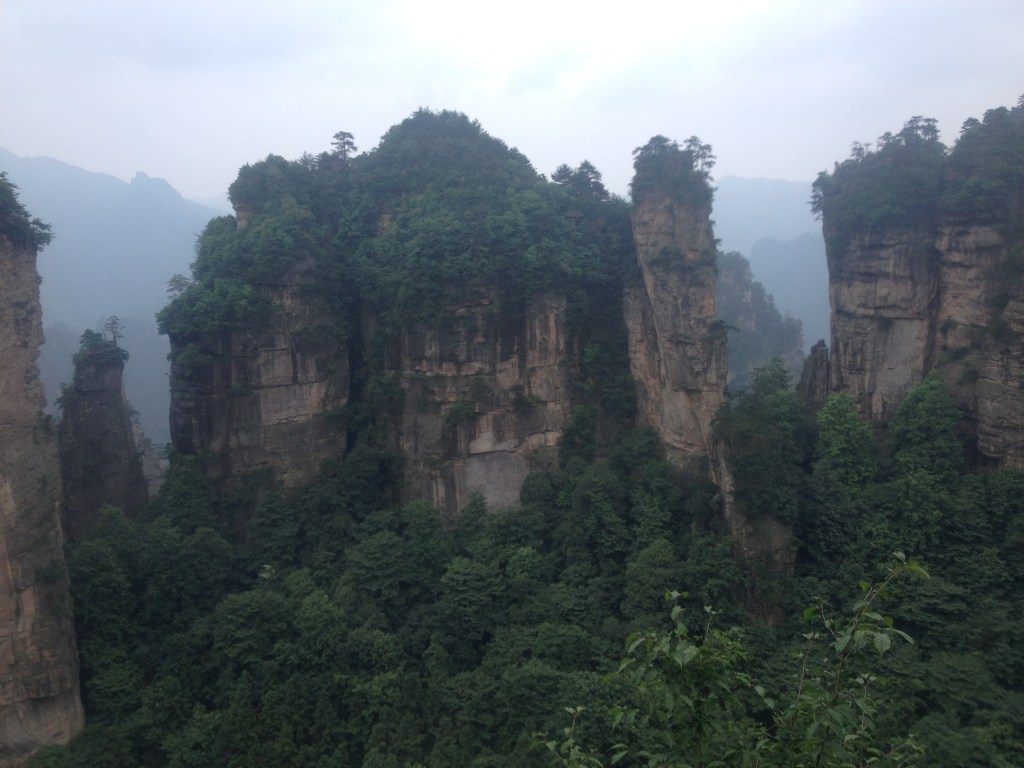
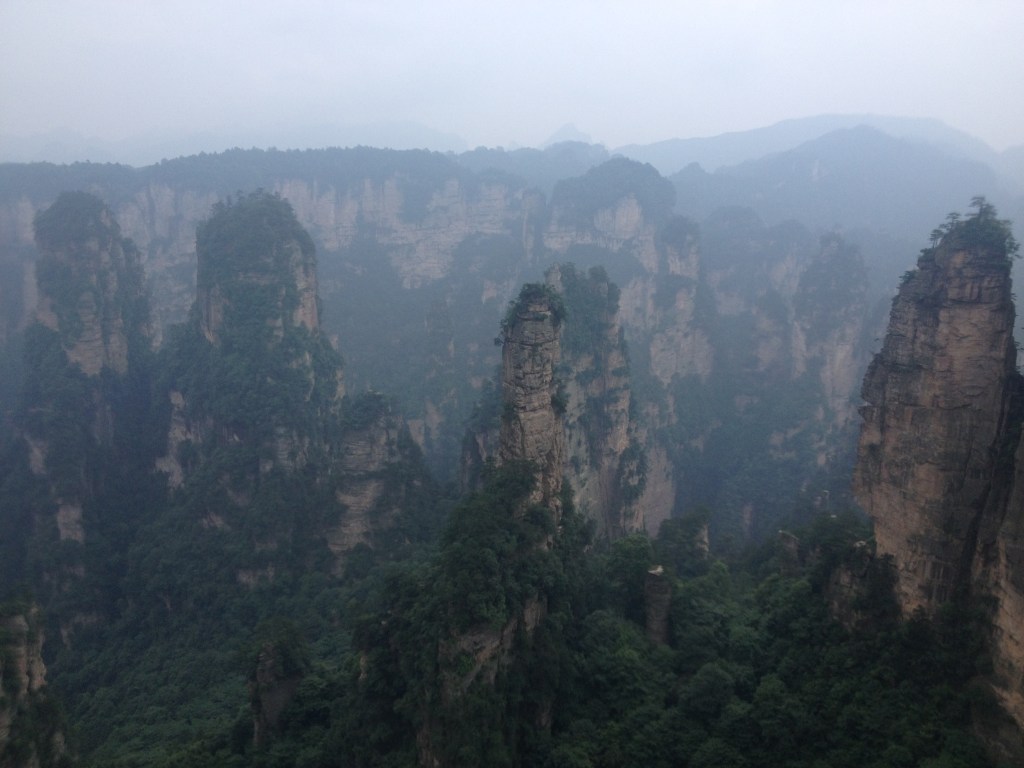

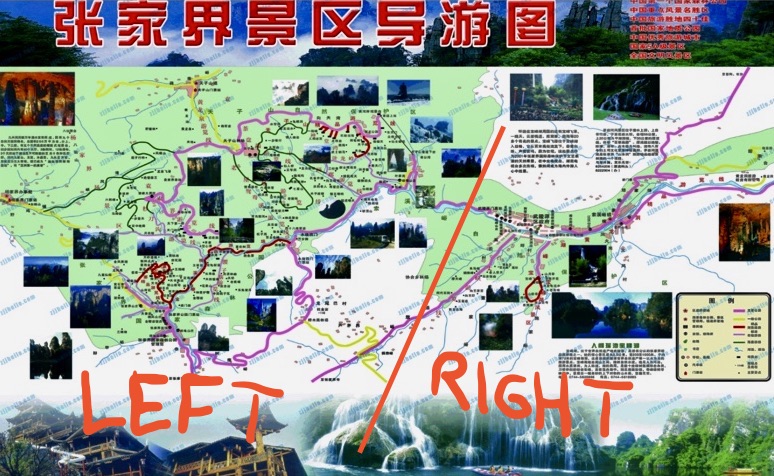
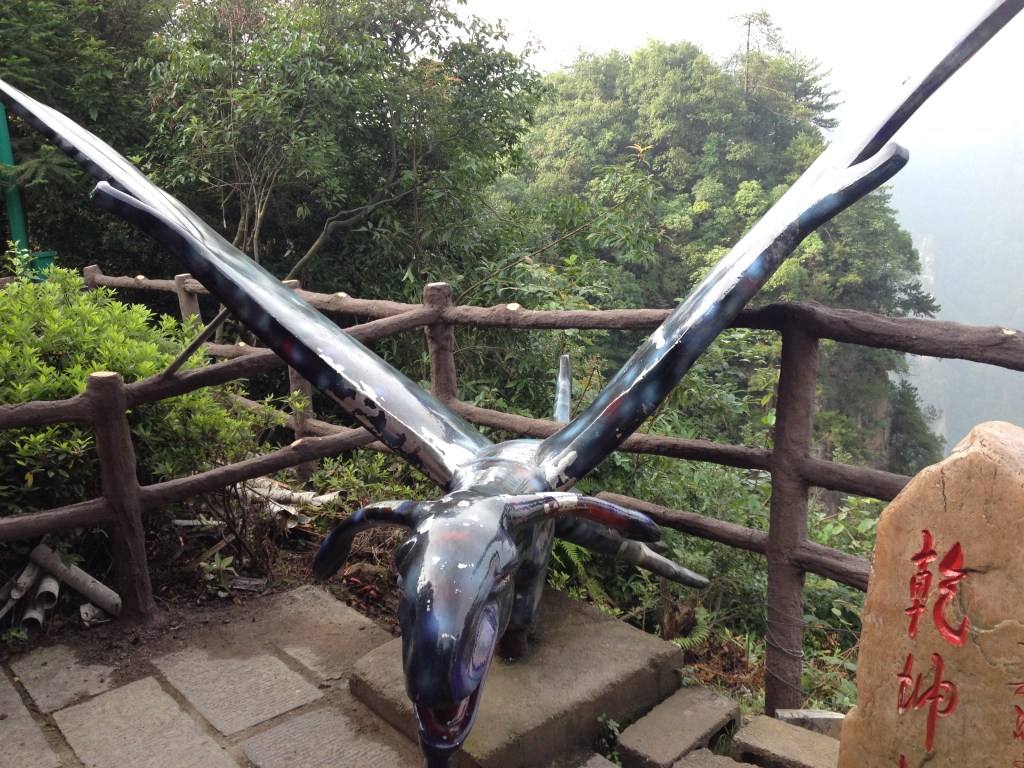


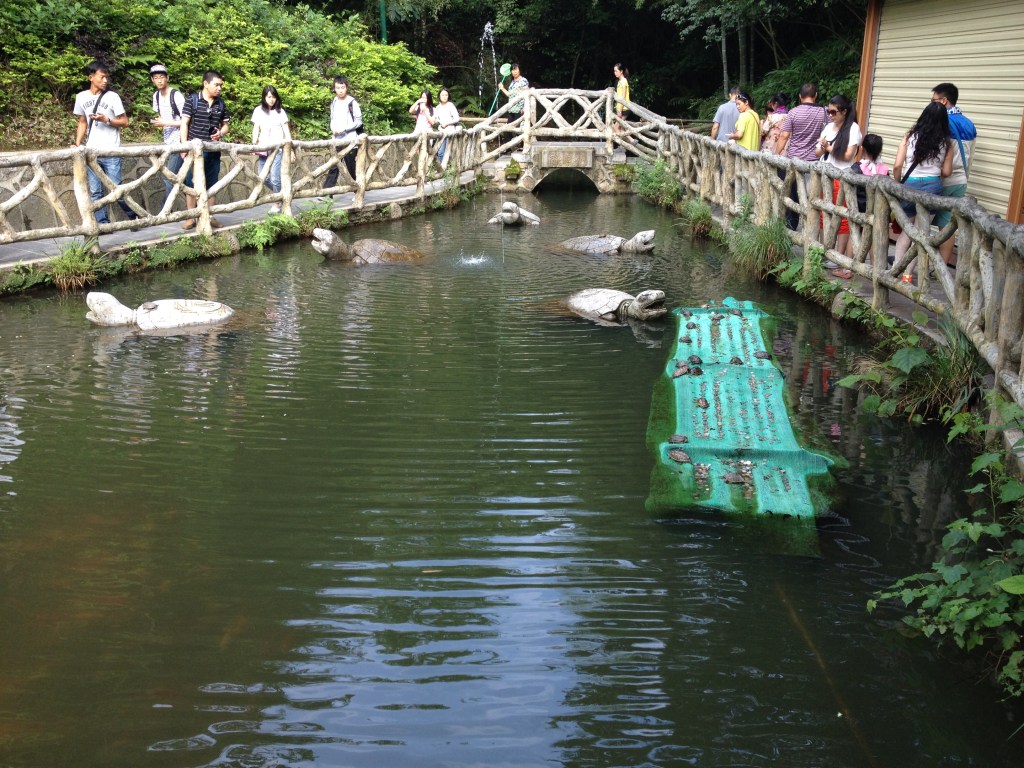
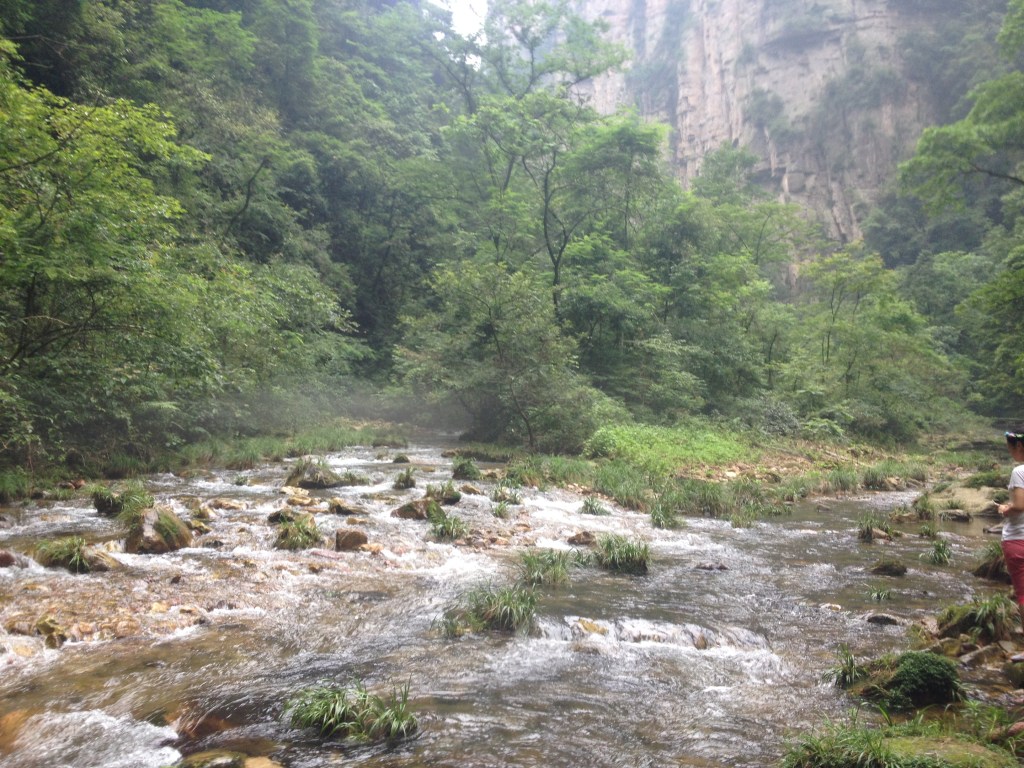
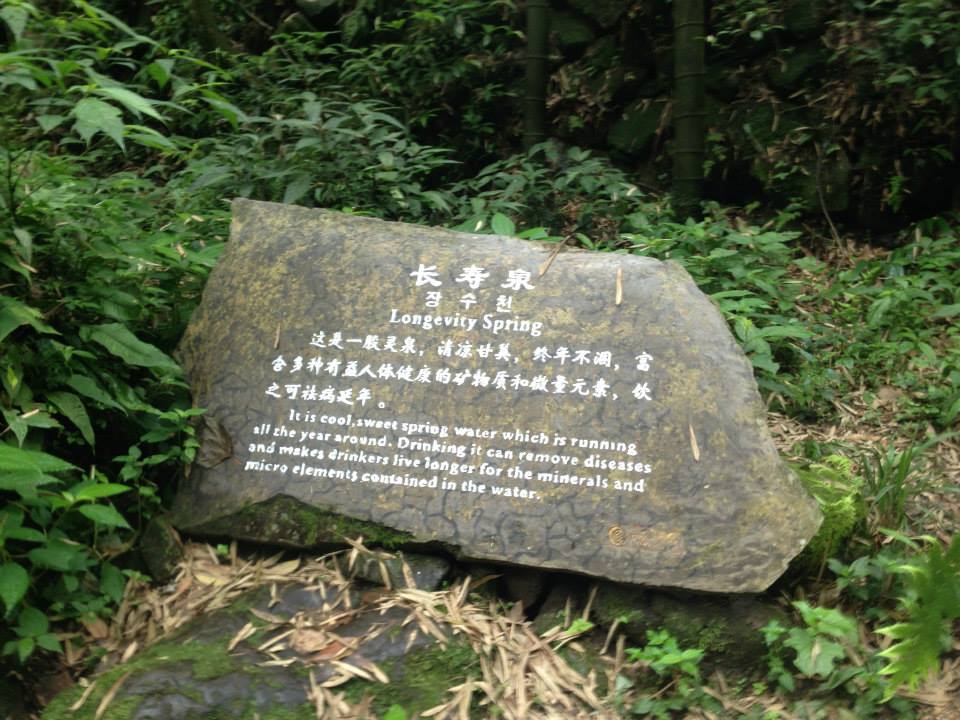
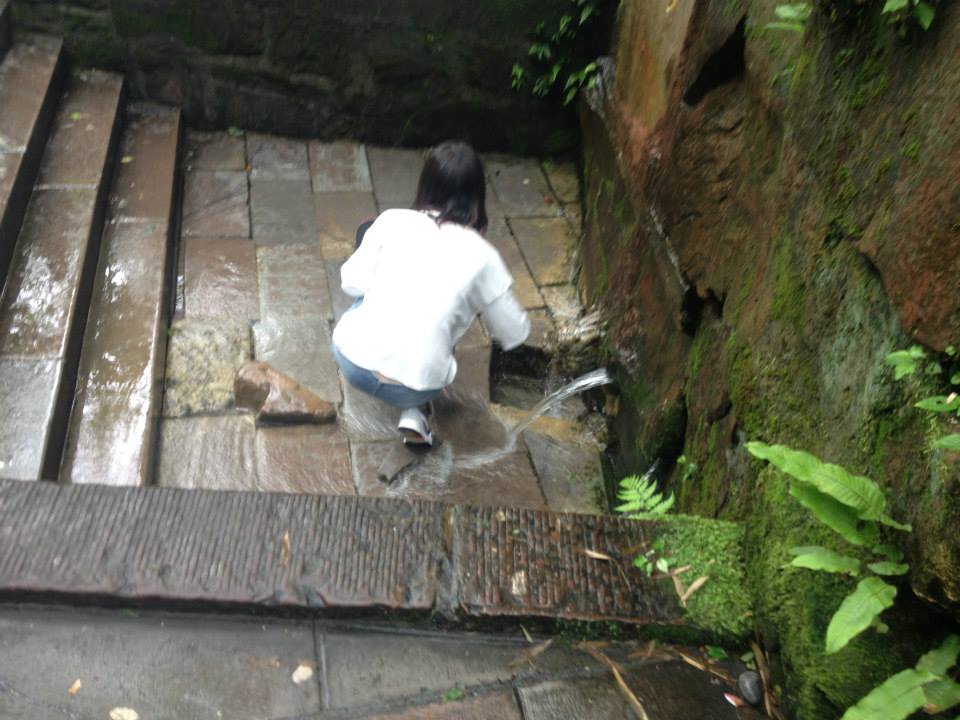
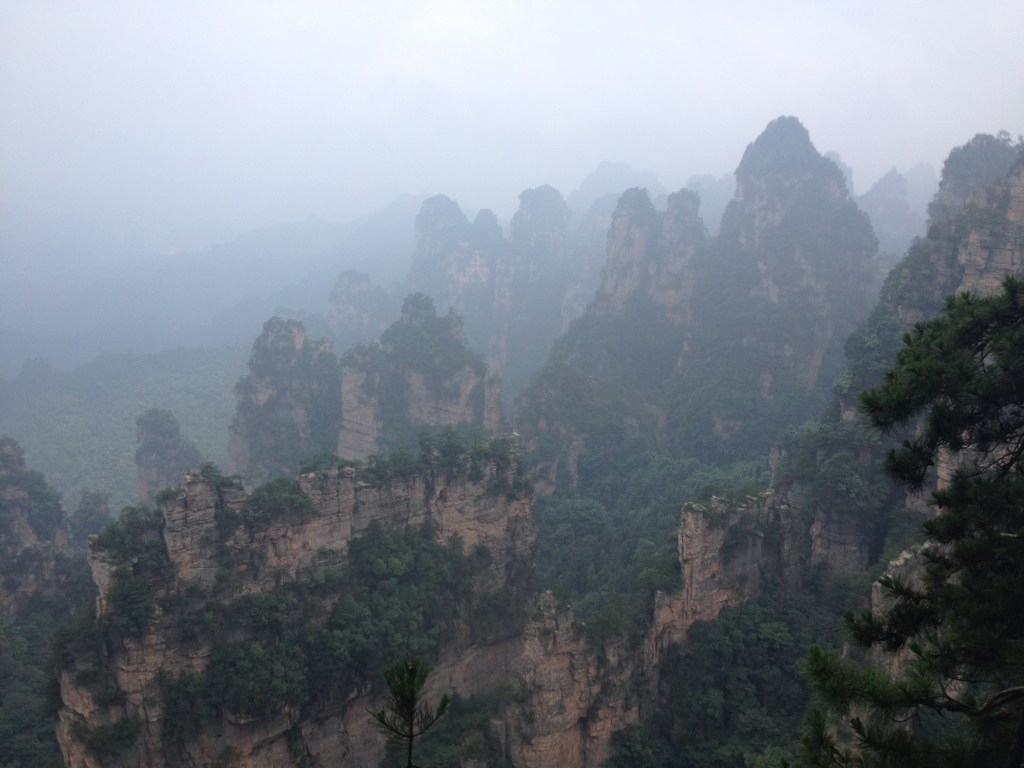
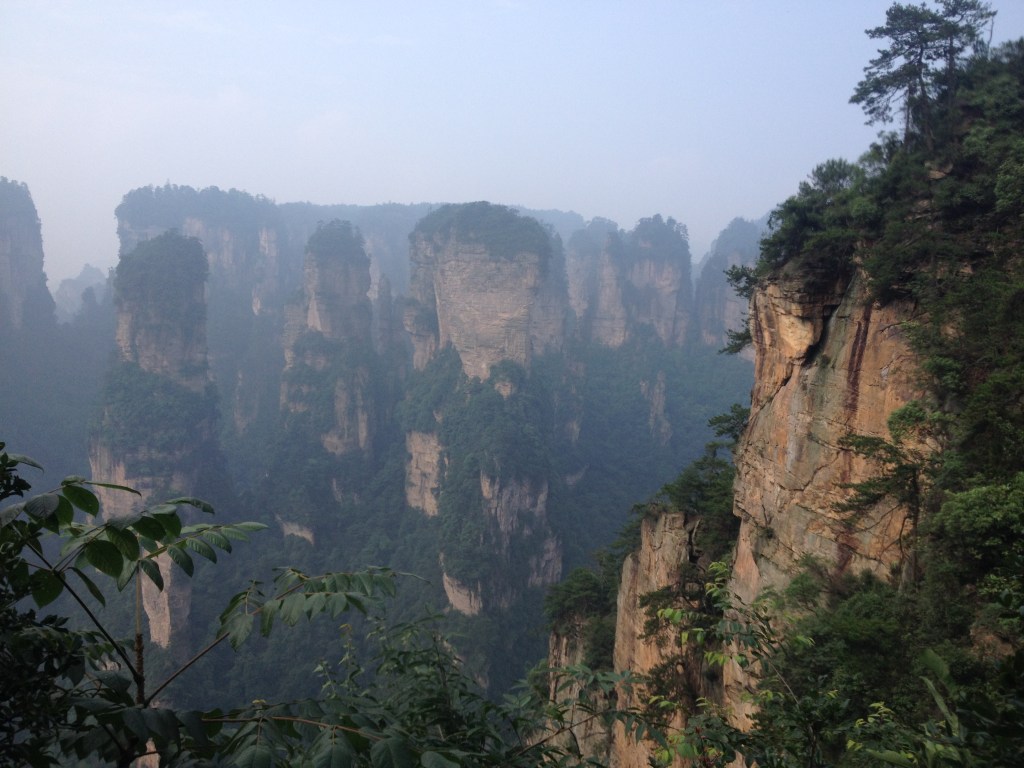


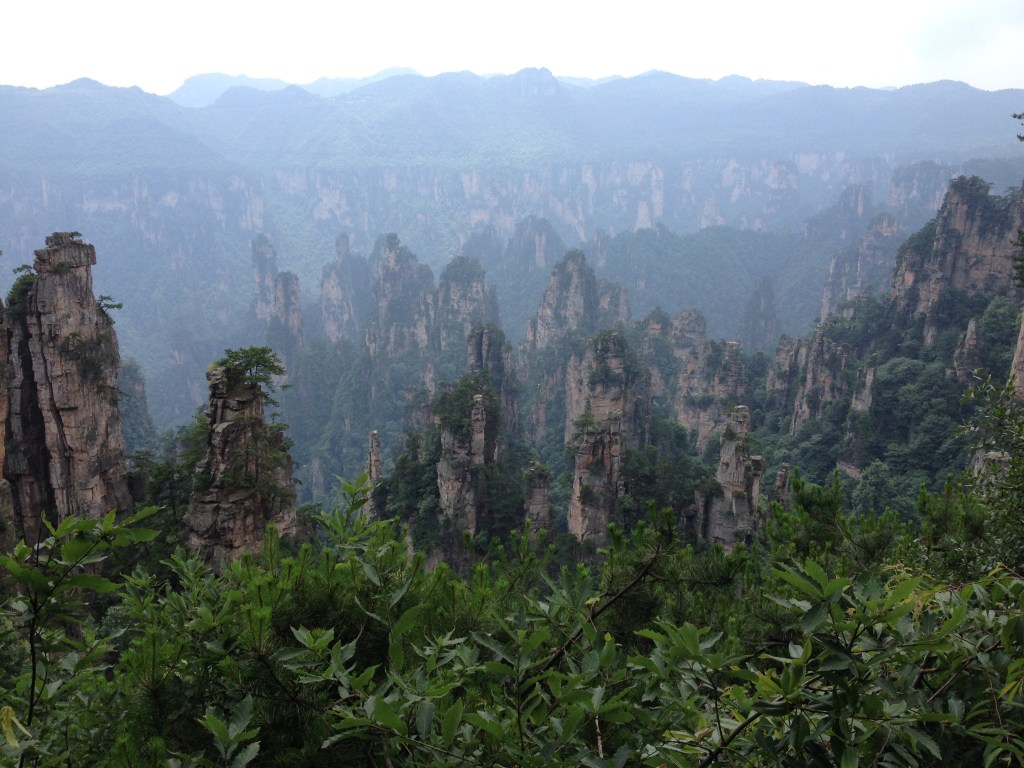
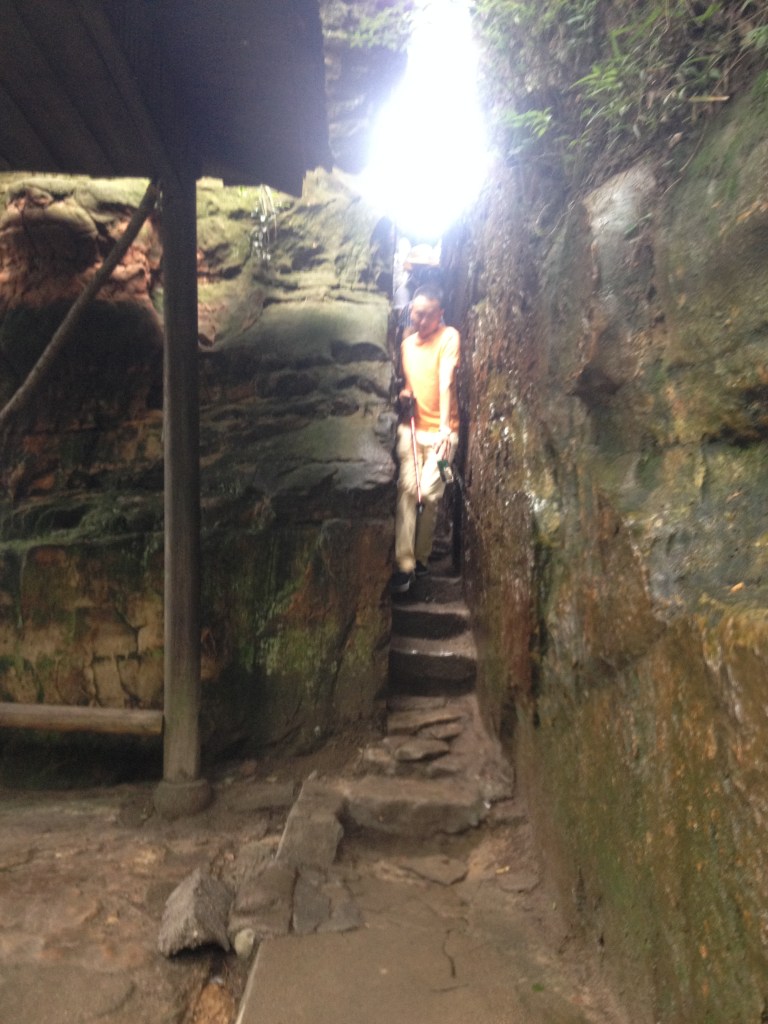
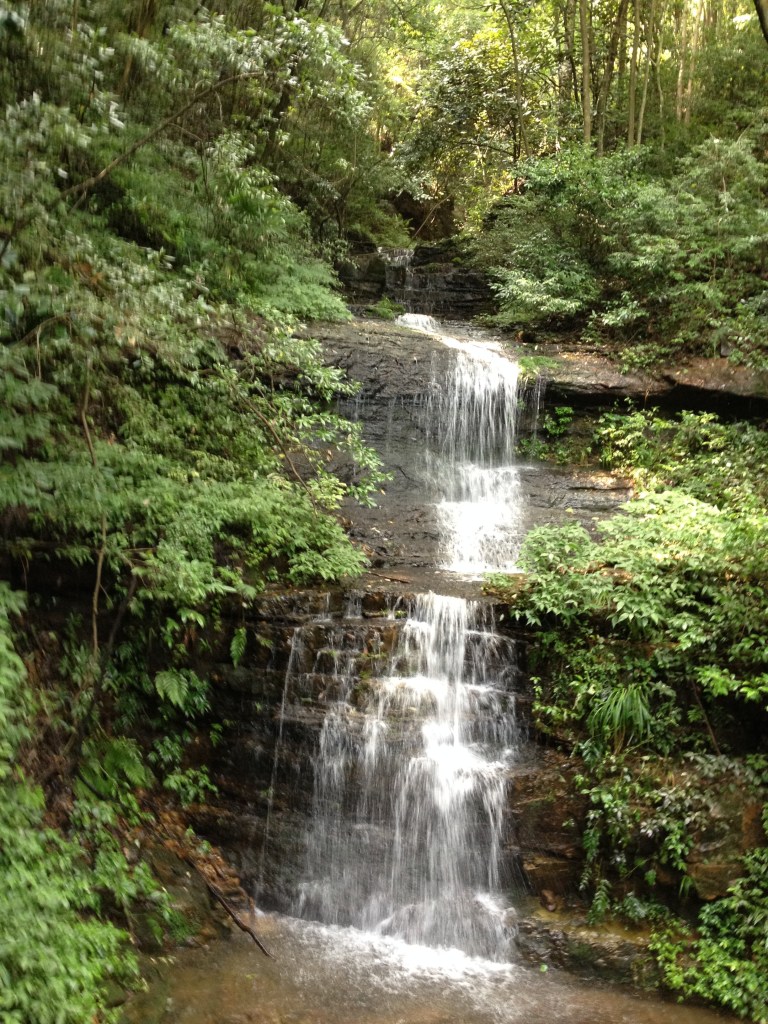


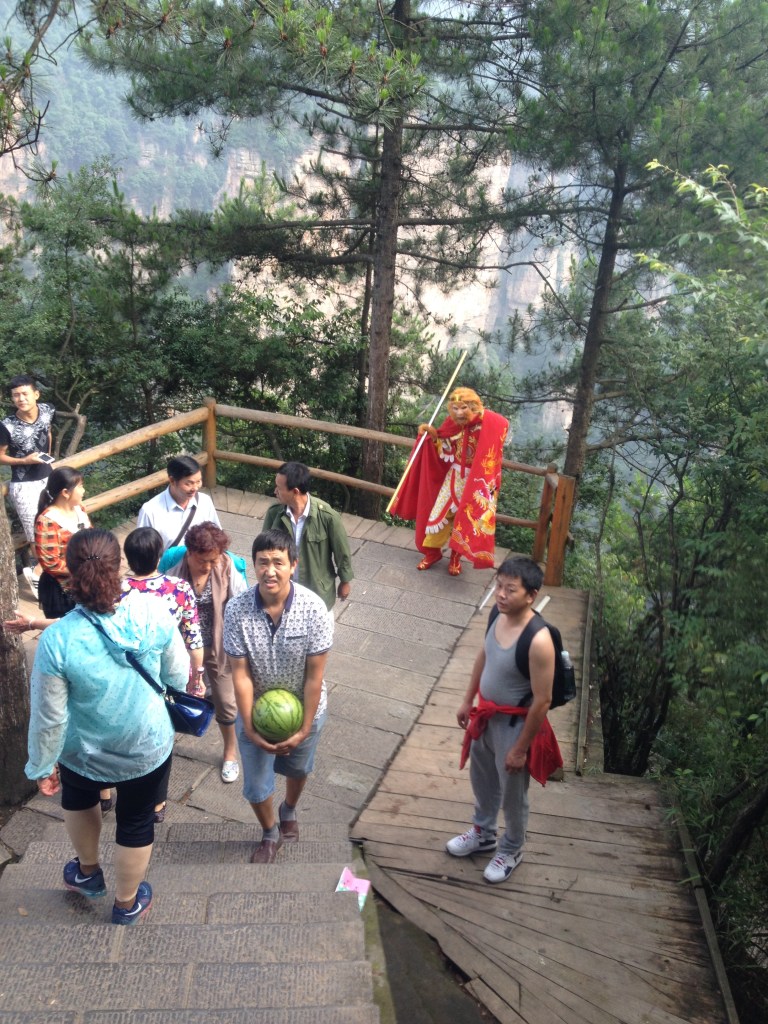
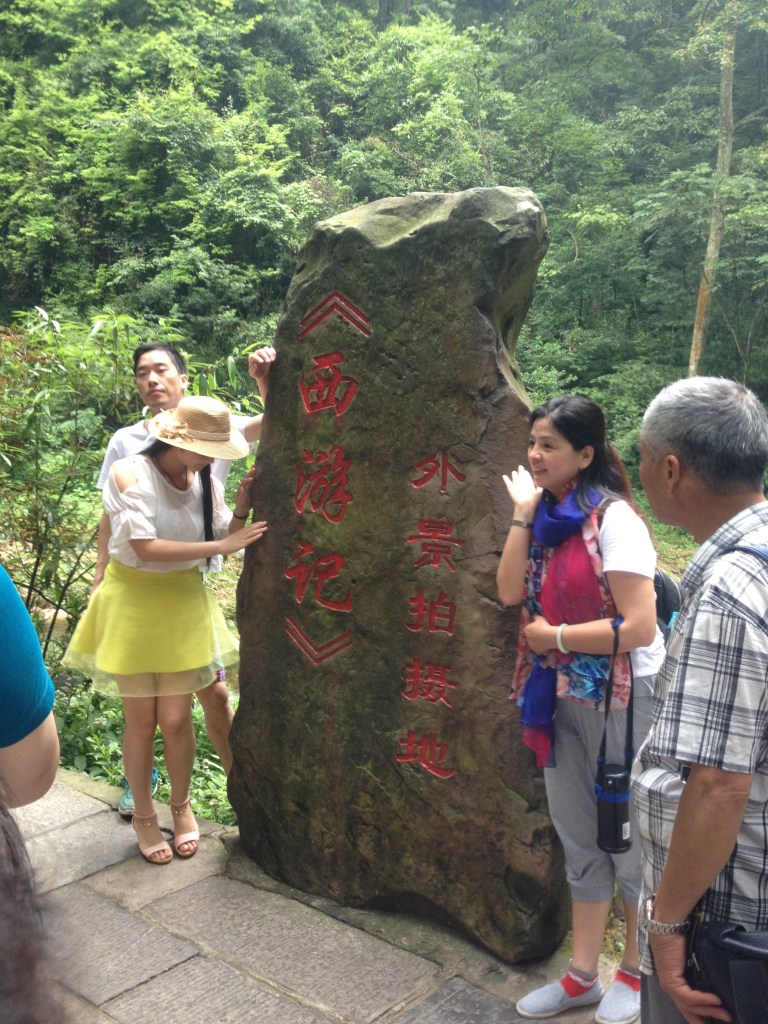
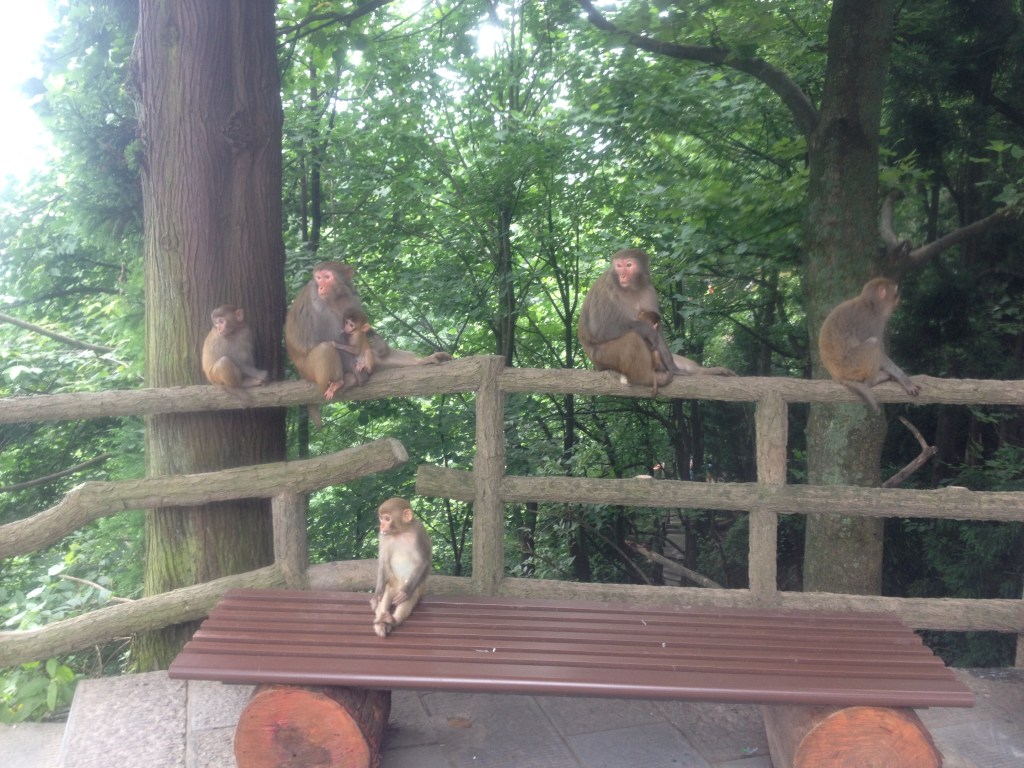
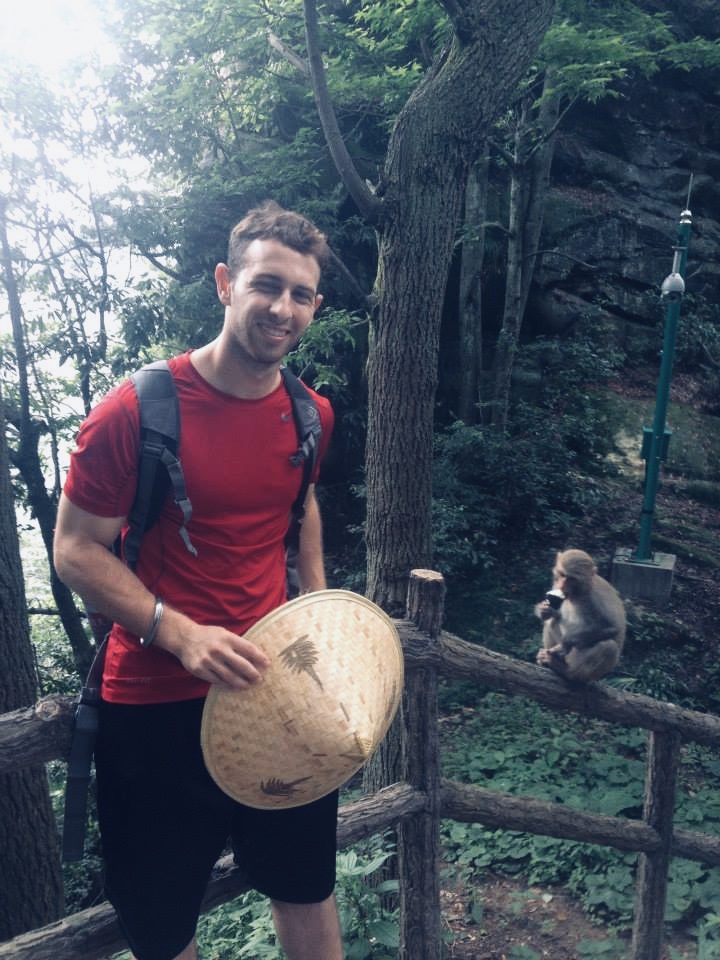
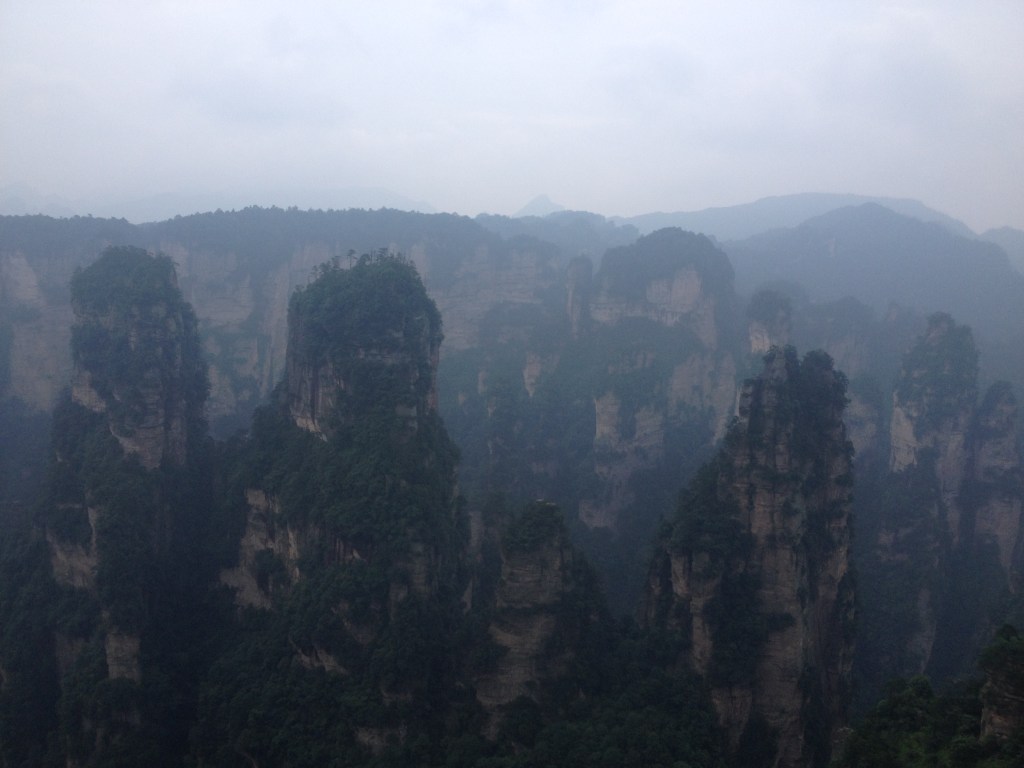
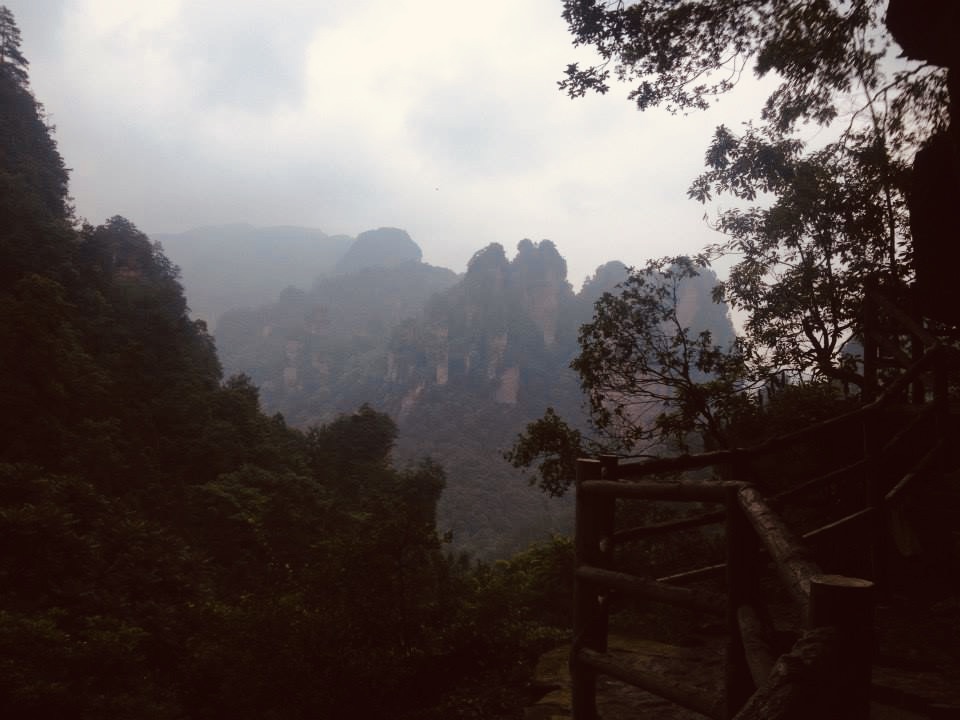
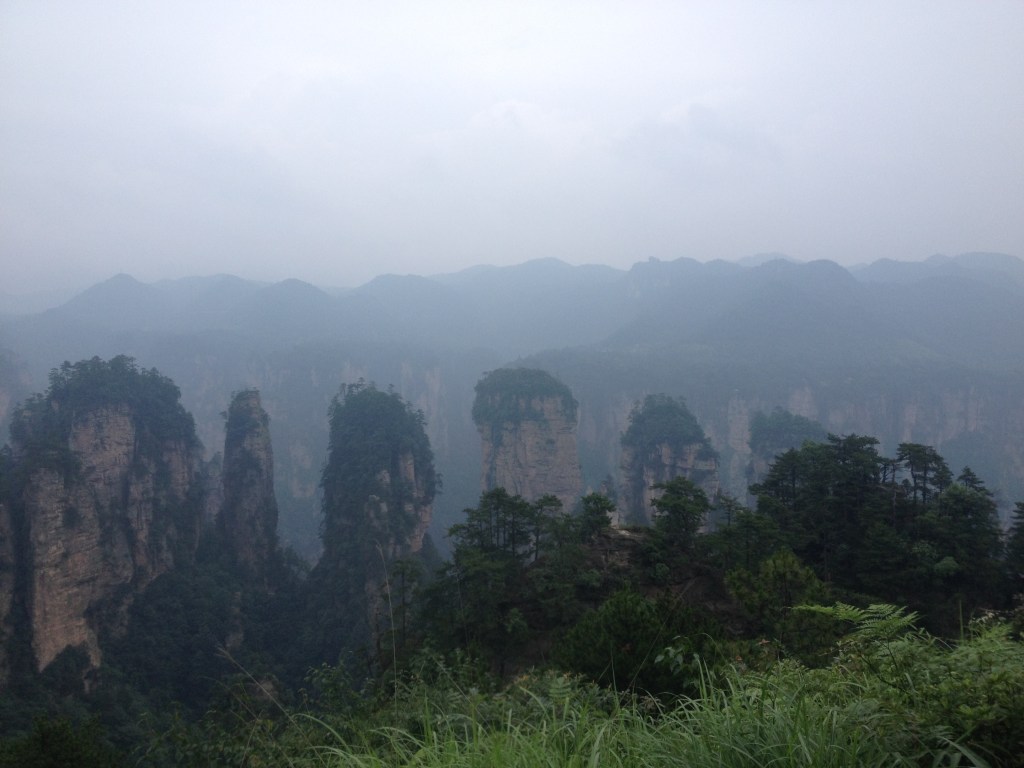
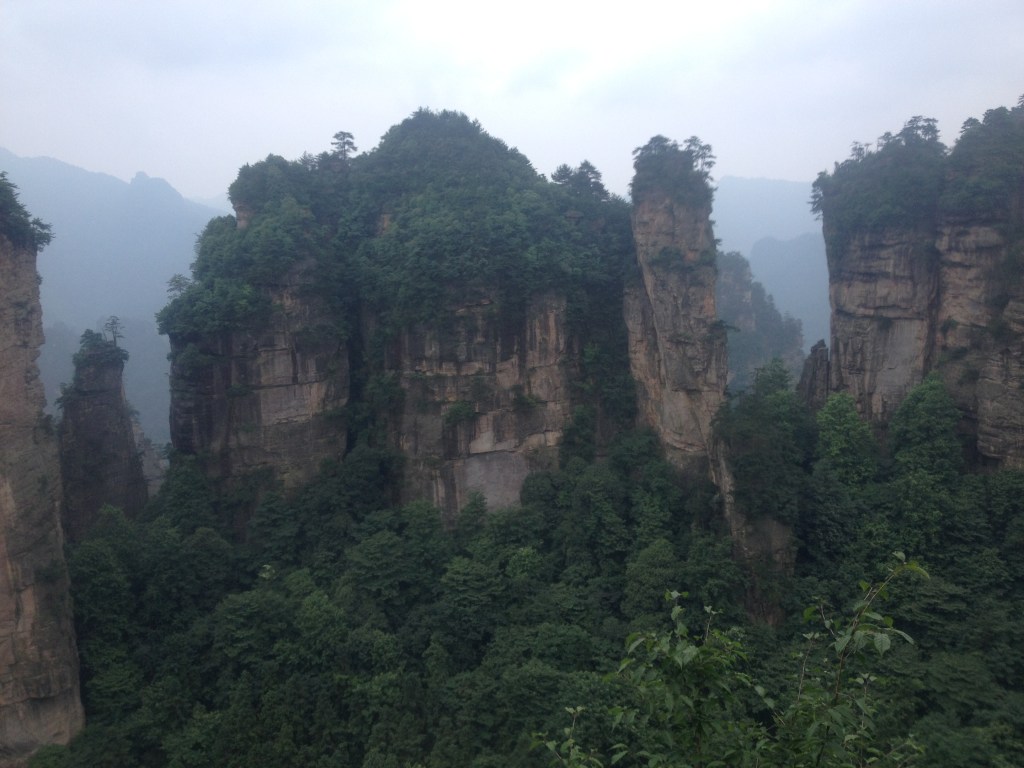
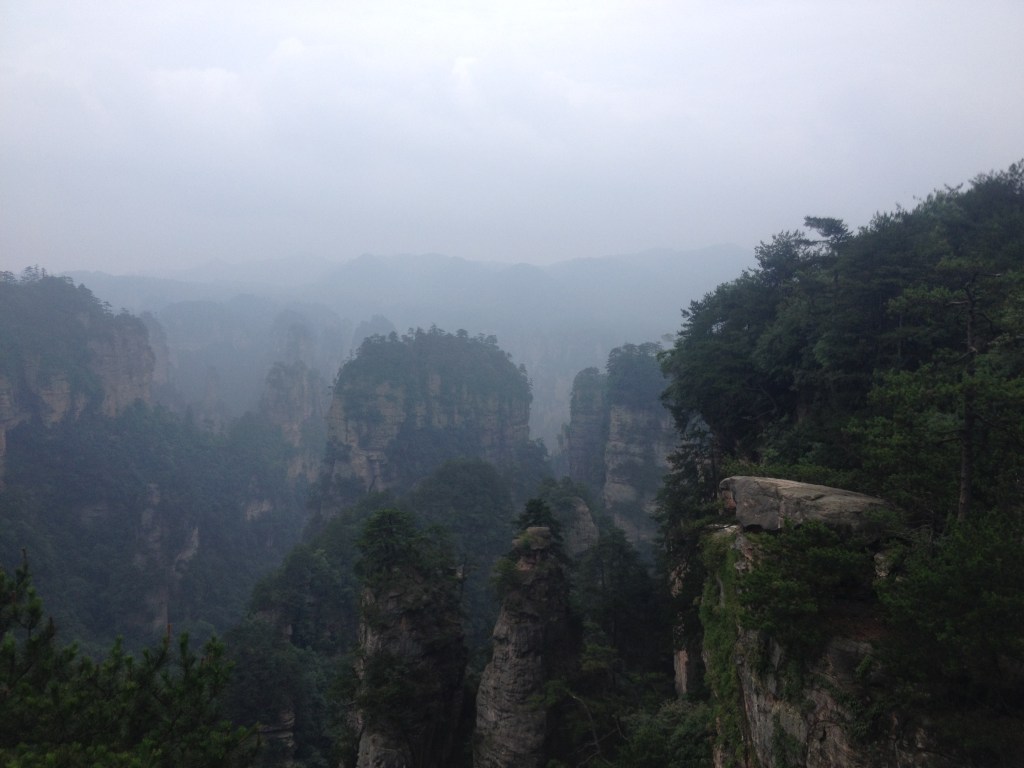

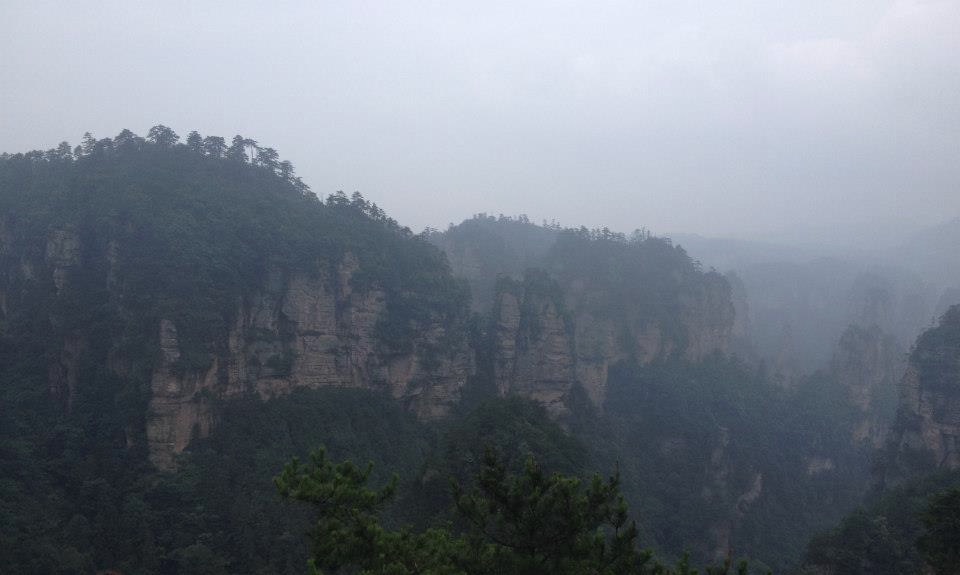
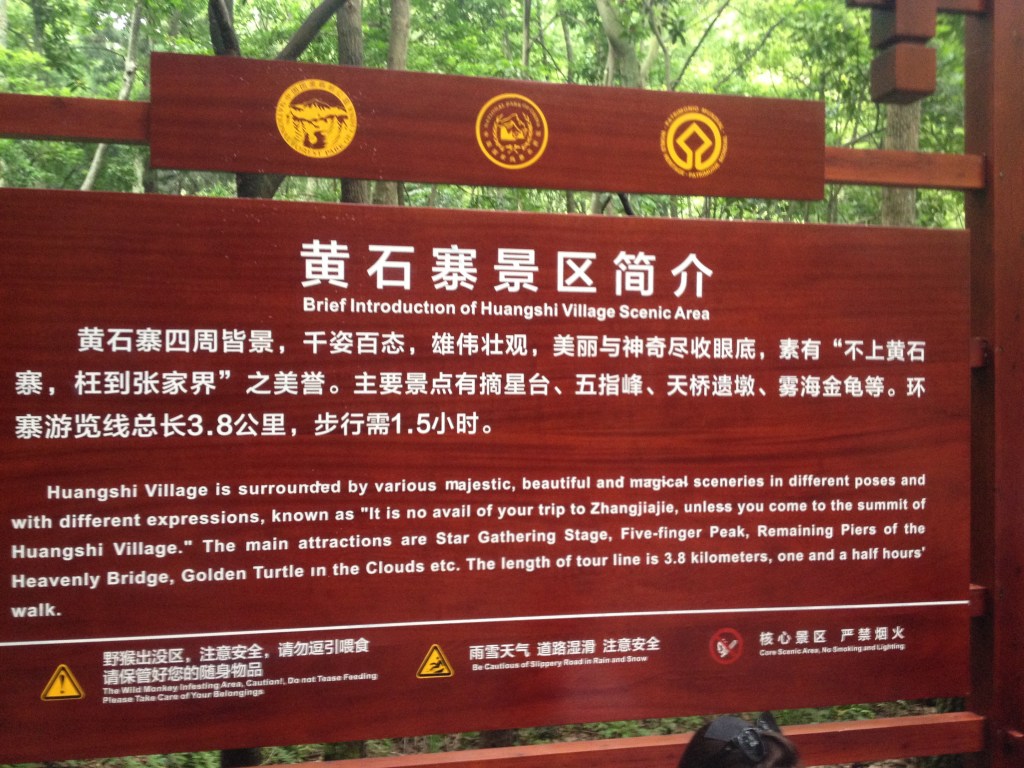

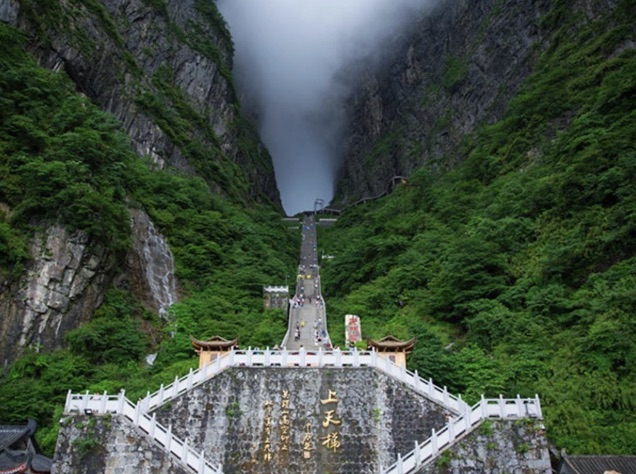
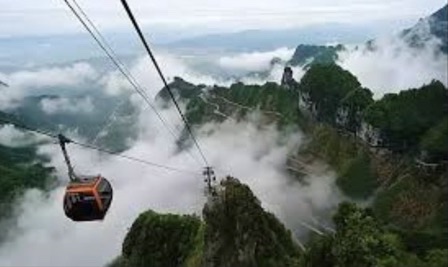


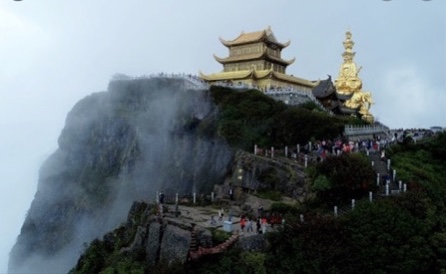


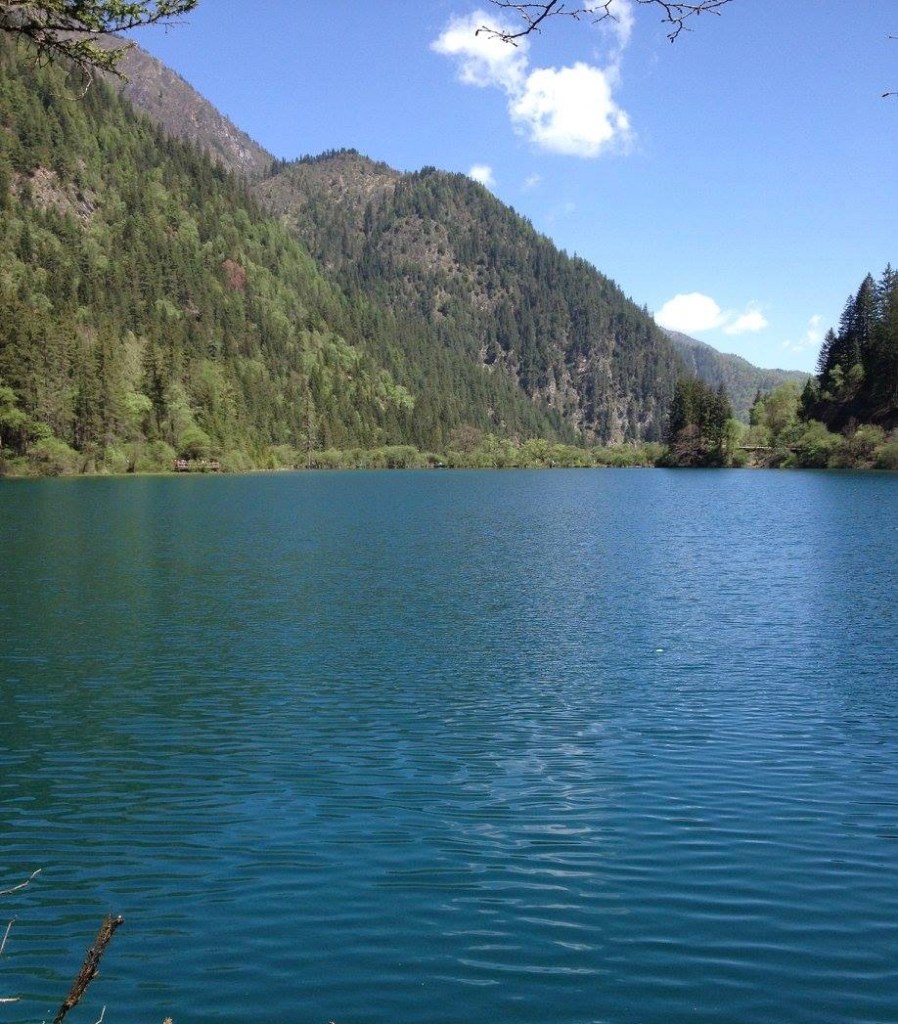


 International Kev